

Temporomandibular joint (TMJ) disorders affect nearly a third of adults, causing chronic jaw pain, clicking sounds, headaches, and difficulty chewing. While many patients find relief through conservative treatments like splints and physical therapy, some cases require a more definitive solution. Jaw surgery, also known as orthognathic surgery, is a proven procedure that corrects structural misalignment in the jaw to restore function, relieve pain, and improve quality of life. In this post, we break down the key benefits of jaw surgery for TMJ disorders and help you understand whether it might be the right path for you.
What Is a TMJ Disorder?
A TMJ disorder is a condition that affects the temporomandibular joint, the hinge connecting your jawbone to your skull. This joint controls essential movements like chewing, speaking, and yawning. When it becomes damaged or dysfunctional, patients may experience jaw pain, clicking or popping sounds, locking of the jaw, headaches, earaches, and neck pain.
Common causes include facial trauma, abnormal jaw anatomy, chronic teeth grinding, arthritis, and genetics. According to oral surgery research, more than 11% of children and adolescents are also affected, making TMJ disorders a concern across all age groups.
When Is Jaw Surgery Recommended for TMJ?
Surgery is not the first line of treatment. Most oral surgeons, including the team at Park Avenue Oral Surgery's TMJ program, begin with conservative therapies such as oral splints, anti-inflammatory medications, and physical therapy. Surgery becomes the recommended path when these non-invasive treatments fail to deliver meaningful, lasting relief.
Candidates for Surgery
Patients with significant jaw misalignment, structural joint damage, disc displacement, or ankylosis are strong candidates. The American Society of Maxillofacial Surgeons notes that only about 20% of TMJ patients ultimately need surgical intervention, underscoring the importance of exhausting conservative options first.
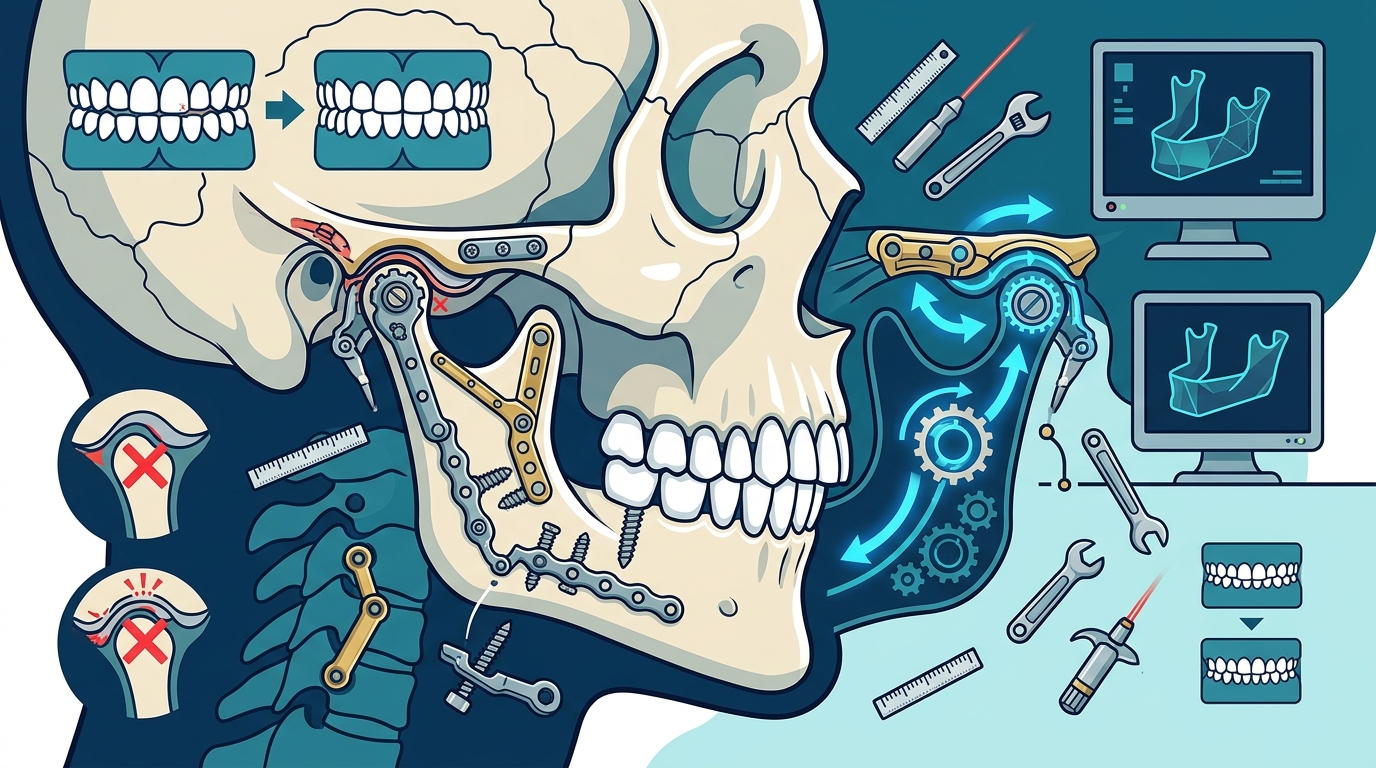
Key Benefits of Jaw Surgery for TMJ
Orthognathic surgery is a procedure that repositions the upper jaw, lower jaw, or both to correct skeletal misalignment. When performed by a fellowship-trained oral and maxillofacial surgeon, the benefits are substantial.
Pain Relief and Restored Function
The most immediate benefit is significant reduction in chronic jaw pain. Research published in peer-reviewed journals shows that combining TMJ surgery with orthognathic correction can achieve a success rate of approximately 91.4%, measured by improved mouth opening and decreased pain. Cleveland Clinic reports orthognathic surgery has an overall success rate of nearly 94%.
Improved Bite and Chewing
Correcting malocclusion, or a misaligned bite, restores the ability to chew food properly. This directly impacts nutrition and digestive health. Patients who previously avoided hard or chewy foods often regain full dietary freedom after recovery.
Facial Symmetry and Aesthetics
Jaw surgery can improve lower facial balance, correct a receding chin or protruding jaw, and address facial asymmetry. For patients interested in aesthetic outcomes, facial contouring procedures may complement the functional goals of surgery.
| Benefit | Conservative Treatment | Jaw Surgery |
|---|---|---|
| Pain Relief | Moderate, often temporary | Significant, long-lasting |
| Bite Correction | Limited | Comprehensive realignment |
| Facial Symmetry | Not addressed | Improved skeletal balance |
| Jaw Mobility | Incremental improvement | 26-36 mm average MIO gain |
| Sleep Apnea Relief | Not typically addressed | Airway expansion possible |
Types of Jaw Surgery for TMJ Disorders
There are several surgical approaches, and the right choice depends on the severity and nature of the disorder.
Arthrocentesis
Arthrocentesis is a minimally invasive procedure that flushes the joint using needles inserted near the ear. It removes debris, scar tissue, and inflammatory irritants. This option works well for mild to moderate joint dysfunction.
Arthroscopy
TMJ arthroscopy uses a small camera and instruments inserted through tiny incisions to diagnose and treat joint problems. Each joint typically takes 20 to 30 minutes under general anesthesia. Park Avenue Oral Surgery utilizes advanced surgical technology to maximize precision in these procedures.
Open-Joint Surgery (Arthrotomy) and Orthognathic Surgery
For severe structural problems, open-joint surgery provides direct access to repair or reposition the disc, reshape the joint, or correct skeletal misalignment. In complex cases, corrective jaw surgery repositions the entire jaw to restore proper alignment and function.
What to Expect During Recovery
Recovery timelines vary depending on the procedure performed. Arthrocentesis patients may return to normal activities within days. Orthognathic surgery requires more downtime, typically six to twelve weeks before resuming regular activities, with full recovery taking several months.
During recovery, patients follow a modified soft-food diet and limit physical activity. Your surgical team will provide detailed post-operative instructions and schedule follow-up visits to monitor healing. Physical therapy is often a critical component of rehabilitation, helping restore jaw strength and mobility.
Modern techniques like virtual surgical planning and non-opioid pain management protocols, including EXPAREL long-acting local anesthesia, contribute to smoother recoveries and better outcomes.
Why Choose a Board-Certified Oral Surgeon in NYC
TMJ surgery demands precision and deep expertise. Board certification in oral and maxillofacial surgery signals years of specialized training beyond dental school, including hospital-based surgical residency. Dual-degree surgeons who hold both MD and DMD credentials bring a comprehensive medical and dental perspective to complex jaw cases.
At Park Avenue Oral Surgery, located on Park Avenue in New York City, our fellowship-trained surgeons use advanced imaging, piezoelectric instrumentation, and 3D planning to deliver precise, patient-centered care. We also accept major PPO insurances, making treatment accessible. You can schedule a consultation to discuss your options.
Key Takeaways
- TMJ disorders affect roughly one-third of adults, with symptoms ranging from jaw pain to chronic headaches.
- Conservative treatments resolve most cases, but about 20% of patients may need surgery.
- Jaw surgery for TMJ has a success rate of 91-94%, delivering lasting pain relief and improved function.
- Surgical options range from minimally invasive arthrocentesis to comprehensive orthognathic correction.
- Recovery from orthognathic surgery typically takes 6-12 weeks, with physical therapy aiding rehabilitation.
- A board-certified, dual-degree oral surgeon provides the safest and most predictable outcomes.
- Advanced technology like virtual surgical planning and long-acting anesthetics improve the patient experience.
Frequently Asked Questions
What is orthognathic surgery?
Orthognathic surgery is a corrective procedure that repositions the upper jaw, lower jaw, or both to fix structural misalignment. It treats conditions including TMJ disorders, malocclusion, and obstructive sleep apnea.
How do I know if I need jaw surgery for TMJ?
Your oral surgeon will first recommend conservative treatments. Surgery is considered when splints, medications, and therapy fail to provide lasting relief, or when imaging reveals significant structural damage or misalignment.
What is the success rate of jaw surgery for TMJ disorders?
Studies show that combined TMJ and orthognathic surgery achieves a success rate of approximately 91.4%. Cleveland Clinic reports orthognathic surgery overall has a success rate of nearly 94%.
Is jaw surgery for TMJ covered by insurance?
Many medical insurance plans cover jaw surgery when it is deemed medically necessary. Park Avenue Oral Surgery accepts major PPO insurances and can help verify your benefits before treatment.
How long is recovery after TMJ jaw surgery?
Recovery depends on the procedure. Minimally invasive options like arthrocentesis may require just a few days of downtime. Full orthognathic surgery typically requires 6-12 weeks before normal activities resume.
What are the risks of jaw surgery?
As with any surgery, risks include infection, bleeding, nerve injury, and the possibility that symptoms may not fully resolve. Choosing a board-certified oral and maxillofacial surgeon minimizes these risks through specialized training and advanced techniques.
Can jaw surgery improve my appearance?
Yes. In addition to functional correction, jaw surgery often improves facial symmetry, chin projection, and overall lower facial balance. Many patients report increased confidence after recovery.
What types of TMJ surgery are available?
The three primary options are arthrocentesis (joint lavage), arthroscopy (camera-guided minimally invasive surgery), and arthrotomy (open-joint surgery). Your surgeon will recommend the approach best suited to your diagnosis.
Ready to Find Relief From TMJ Pain?
If chronic jaw pain, clicking, or limited mobility is affecting your daily life, it may be time to explore surgical options with a specialist. Book a consultation with our board-certified oral and maxillofacial surgeons at Park Avenue Oral Surgery in New York City. We will evaluate your condition, discuss every option, and create a personalized treatment plan designed for lasting results.