
Facial Reconstruction After a Jaw Injury: Best Options for Restoring Form and Function
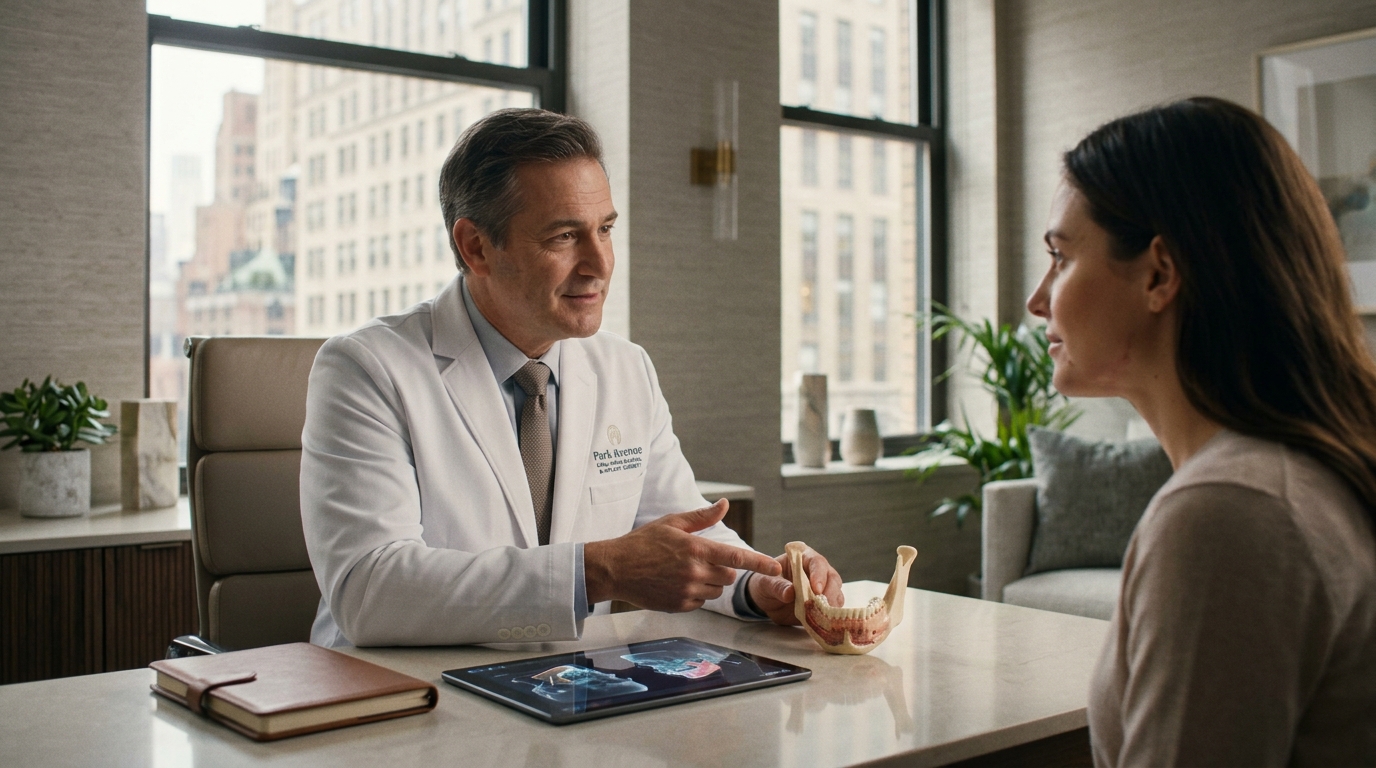
A jaw injury can change everything in an instant. Whether from an accident, sports collision, or fall, damage to the jaw affects eating, speaking, breathing, and appearance. Facial reconstruction is the process of surgically restoring the bones and soft tissues of the face to their proper position and function after trauma. Today's oral and maxillofacial surgeons use advanced techniques, from titanium plating to 3D virtual surgical planning, to deliver results that were unimaginable a generation ago. This guide covers the best reconstruction options, what to expect during recovery, and how to choose the right surgeon in New York City.
Understanding Jaw Injuries and Facial Trauma
Facial trauma is a broad category that includes fractures of the mandible (lower jaw), maxilla (upper jaw), cheekbones, and eye sockets. According to the Cleveland Clinic, maxillofacial surgeons treat broken jaws, facial fractures, chronic facial pain, and congenital abnormalities. The severity of injury determines whether treatment is conservative or surgical.
Oral and maxillofacial surgeons are the specialists uniquely trained to address both the hard and soft tissues of the face, mouth, and jaws. Their dual training in medicine and dentistry gives them the comprehensive perspective needed for complex facial trauma repair.
Surgical Options for Jaw Reconstruction
Several procedures may be used individually or in combination depending on the nature and extent of your injury.
Open Reduction and Internal Fixation (ORIF)
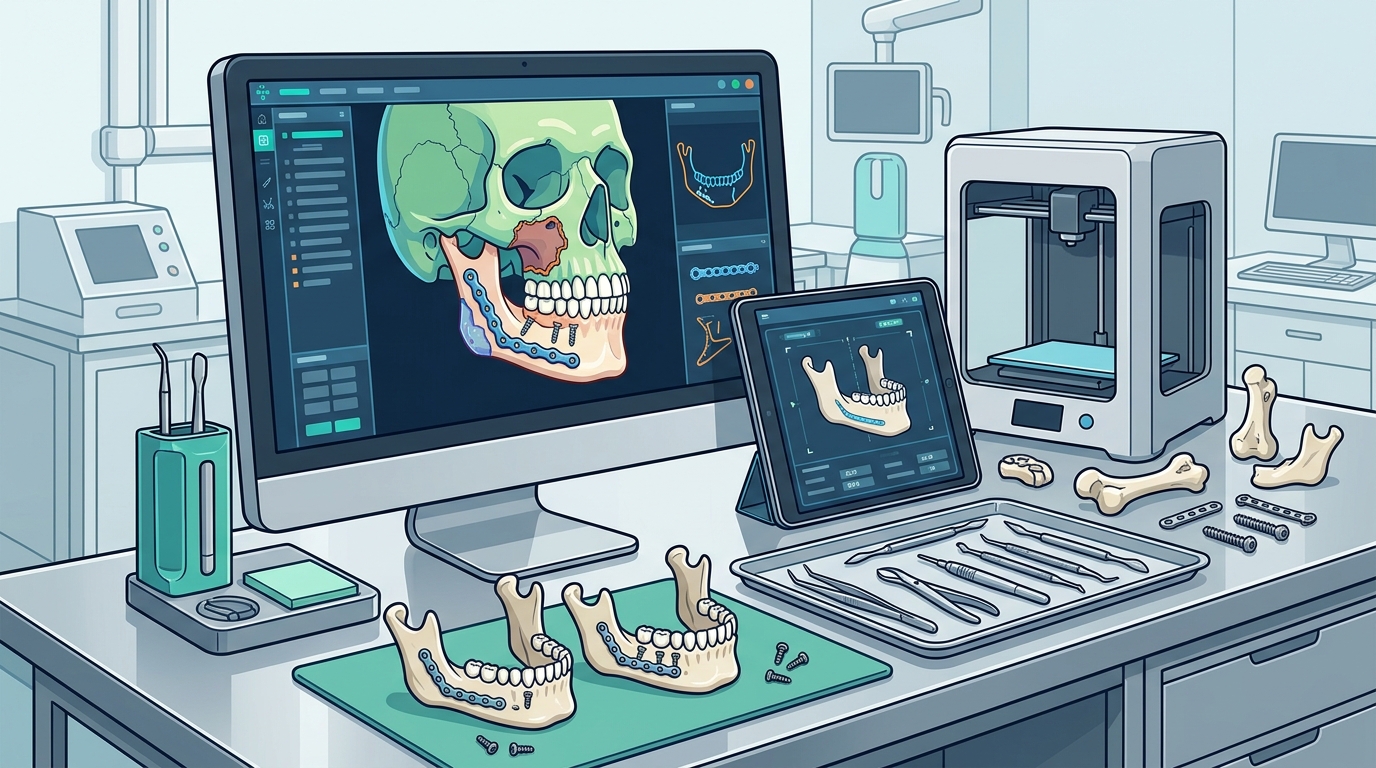
ORIF is the standard approach for displaced jaw fractures. The surgeon repositions fractured bone segments and secures them with titanium plates and screws. As Penn Medicine explains, this may involve realigning broken bones using specialized hardware and addressing surrounding soft tissue damage. Incisions are typically made inside the mouth to minimize visible scarring.
Corrective Jaw Surgery (Orthognathic Surgery)
Orthognathic surgery is an operation that repositions the upper and lower jaws to improve function and appearance. When trauma causes long-term misalignment, corrective jaw surgery can restore a proper bite and balanced facial proportions. This procedure treats conditions including malocclusion, TMJ disorders, and structural deformities resulting from injury.
Genioplasty and Facial Contouring
Genioplasty is a procedure that reshapes and repositions the chin bone to improve jaw alignment and appearance. It is often performed alongside other jaw surgeries. For patients whose chin or jawline was altered by trauma, chin surgery and facial contouring can restore pre-injury aesthetics.
| Procedure | Best For | Typical Recovery |
|---|---|---|
| Open Reduction & Internal Fixation | Displaced jaw fractures | 4 to 6 weeks |
| Corrective Jaw Surgery | Post-trauma misalignment, bite issues | 6 weeks to 4 months |
| Bone Grafting | Bone loss from severe fractures | 3 to 6 months |
| Dental Implants | Missing teeth after trauma | 3 to 6 months (osseointegration) |
| Genioplasty | Chin/jawline deformity from injury | 4 to 6 weeks |
| TMJ Surgery | Joint damage, disc displacement | 2 to 6 weeks |
Bone Grafting and Tissue Reconstruction
Severe jaw injuries often involve bone loss that must be replaced before other reconstructive steps can proceed. Bone grafting uses donor bone, synthetic material, or the patient's own bone harvested from the hip or fibula to rebuild the jaw. The University of Utah Health notes that surgeons can use a section of hip bone or fibula to replace damaged jaw segments.
Platelet-rich fibrin (PRF) therapy is increasingly used alongside bone grafting to accelerate healing. Park Avenue Oral Surgery offers PRF treatment to promote faster tissue regeneration during complex reconstructive cases.
Dental Implants After Jaw Trauma
A dental implant is a titanium post placed permanently in the jaw to replace a missing natural tooth. After jaw injury, teeth are frequently knocked out or damaged beyond repair. Once the bone has healed sufficiently, dental implant surgery can restore full chewing function and appearance.
For patients with extensive tooth loss, All-on-X implant solutions can replace an entire arch of teeth using just four to six strategically placed implants. This approach works well for trauma patients who have lost multiple teeth and supporting bone.
Addressing TMJ Damage After Injury
The temporomandibular joint (TMJ) connects the jawbone to the skull and is vulnerable to trauma. A blow to the chin or side of the face can cause inflammation, dislocation, or internal derangement of the joint disc. Post-traumatic TMJ disorders can manifest as clicking, limited mouth opening, or chronic pain.
Treatment ranges from conservative management with splints and medication to surgical intervention for cases that do not respond. Board-certified oral surgeons evaluate TMJ injuries using advanced imaging to determine the best course of action.
Advanced Technology in Facial Reconstruction
Modern facial reconstruction relies heavily on technology for precision outcomes. Virtual surgical planning (VSP) uses 3D computer modeling to map every cut and plate placement before the patient enters the operating room. Penn Medicine reports that this technology improves precision and efficiency, often resulting in shorter surgeries and less time under anesthesia.
Additional technologies used at Park Avenue Oral Surgery include CT-guided implant placement for sub-millimeter accuracy and the Medtronic piezoelectric saw for precise bone cuts that protect surrounding soft tissue and nerves.
Recovery Timeline and What to Expect
Recovery from jaw reconstruction varies by procedure and severity. According to the Cleveland Clinic, most people can return to work or school after three to four weeks, though full healing takes several months. You will likely follow a liquid or soft-food diet for the first few weeks.
Tips for a Smoother Recovery
Elevate your head while sleeping to reduce swelling. Apply ice packs for 20 minutes on, 10 minutes off during the first 24 hours. Take all prescribed medications as directed. Attend every follow-up appointment so your surgeon can monitor healing and make adjustments. Review the full post-operative instructions provided by your surgical team.
Key Takeaways
- Facial reconstruction after jaw injury restores both function (chewing, breathing, speaking) and appearance.
- Treatment options include fracture fixation, corrective jaw surgery, bone grafting, dental implants, and TMJ repair.
- A board-certified oral and maxillofacial surgeon with dual MD and DMD training is the ideal specialist for these complex cases.
- Virtual surgical planning and CT-guided techniques improve surgical precision and shorten operating times.
- Recovery typically takes three to four weeks before returning to daily activities, with full bone healing at three to six months.
- Post-traumatic TMJ disorders should be evaluated promptly to prevent chronic dysfunction.
- Choosing an experienced, fellowship-trained surgeon on Park Avenue in NYC ensures access to the latest technology and personalized care.
Frequently Asked Questions
What type of doctor performs facial reconstruction after a jaw injury?
An oral and maxillofacial surgeon performs these procedures. These specialists are trained in both medicine and dentistry, making them uniquely qualified to treat injuries involving the jaws, face, and mouth.
How long does jaw reconstruction surgery take?
Depending on complexity, the procedure can take one to four hours. Some patients go home the same day, while others stay in the hospital for one to three days.
Will I need dental implants after a jaw fracture?
If teeth were lost or damaged beyond repair during the injury, dental implants are often the best long-term replacement. Your surgeon will assess bone quality and recommend implants once healing is sufficient.
What is virtual surgical planning?
Virtual surgical planning (VSP) is a 3D computer modeling technology that allows surgeons to simulate the entire procedure digitally before operating. It improves accuracy and can lead to shorter surgeries.
How painful is jaw reconstruction recovery?
Swelling, soreness, and stiffness are normal after surgery and improve within one to two weeks. Your surgeon will prescribe medication to manage pain and reduce infection risk.
Does insurance cover facial reconstruction after an injury?
Most major PPO insurance plans cover medically necessary facial reconstruction resulting from trauma. Park Avenue Oral Surgery accepts major in-network insurances and can help verify your coverage before treatment.
Can jaw surgery fix TMJ problems caused by an accident?
Yes. Post-traumatic TMJ disorders are treatable with a range of approaches from conservative therapy to surgical intervention, depending on the severity of joint damage.
Why choose a board-certified oral surgeon for facial reconstruction?
Board certification ensures the surgeon has completed rigorous training and examinations. Fellowship training adds additional specialization in complex reconstructive and cosmetic procedures.
Schedule Your Consultation at Park Avenue Oral Surgery
If you or a loved one has suffered a jaw injury, prompt evaluation by an experienced surgeon is critical. Our board-certified, fellowship-trained oral and maxillofacial surgeons on Park Avenue in New York City specialize in facial trauma repair, jaw reconstruction, dental implants, and TMJ treatment. Book your consultation today to begin your path to full recovery.