

Temporomandibular joint (TMJ) disorders affect the jaw muscles and joints that connect your lower jaw to your skull. When conservative treatments like splints, physical therapy, and medication fall short, jaw surgery can be a life-changing solution. At Park Avenue Oral Maxillofacial & Implant Surgery in New York City, our board-certified, fellowship-trained oral surgeons specialize in corrective jaw surgery that addresses the root cause of TMJ dysfunction. This guide covers the key benefits, who qualifies, what to expect, and why surgical intervention may be the right path for lasting relief.
What Are TMJ Disorders?
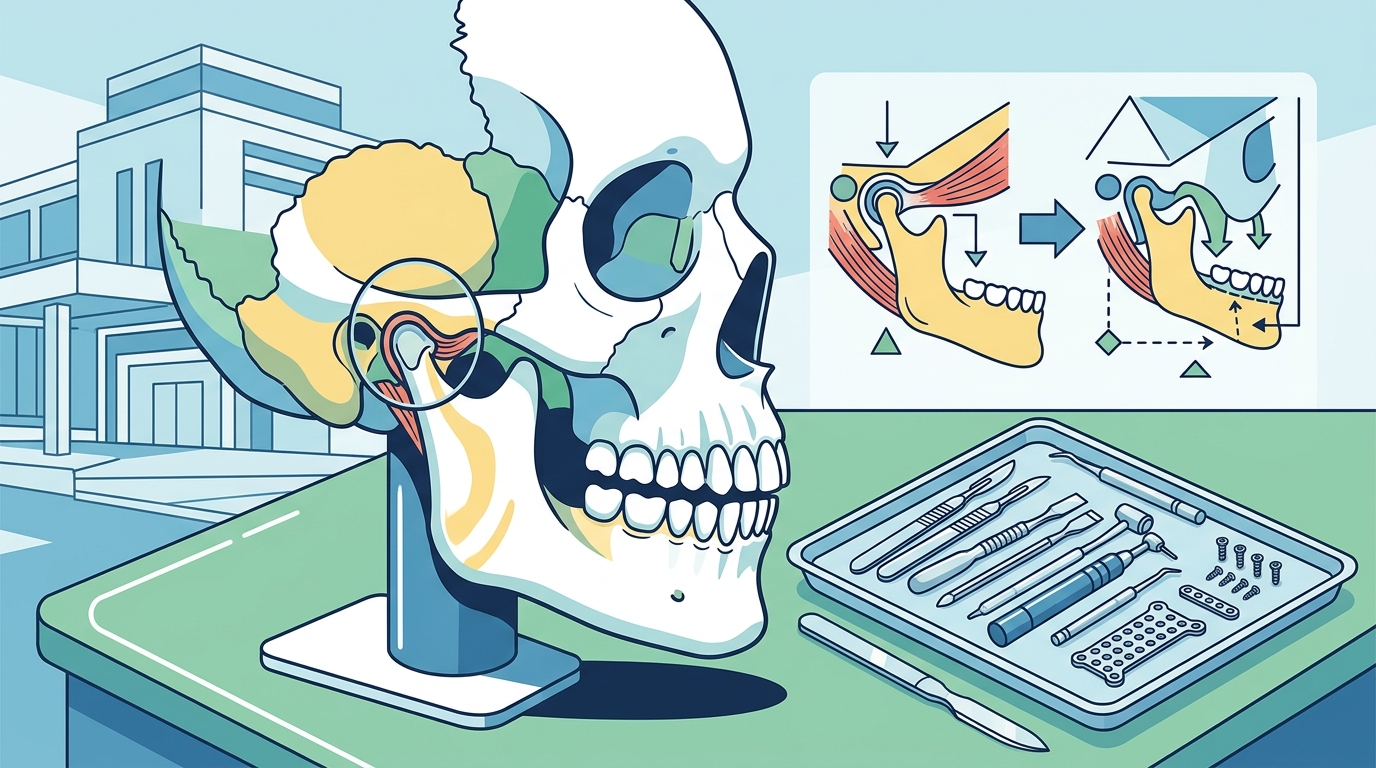
A TMJ disorder is a condition affecting the temporomandibular joint, the hinge connecting your jawbone to your skull, along with the surrounding muscles and ligaments. TMJ disorders are surprisingly common, affecting nearly a third of adults and more than 11% of children and adolescents according to clinical data. Symptoms include jaw pain, clicking or popping sounds, difficulty opening and closing the mouth, headaches, earaches, and neck or shoulder pain.
Causes range from facial trauma and unusual jaw anatomy to chronic grinding, clenching habits, arthritis, and genetics. Recognizing these symptoms early is important for timely intervention and better long-term outcomes.
When Is Jaw Surgery Recommended for TMJ?
Most TMJ disorders can be managed with conservative treatments such as physical therapy, oral splints, and pain medication. The American Society of Maxillofacial Surgeons recommends a conservative approach first, noting that only about 20% of patients need to proceed to surgery.
Surgery becomes the recommended option when significant jaw misalignment or structural joint damage is present and nonsurgical methods have failed. Your oral surgeon will typically evaluate your case using advanced imaging such as virtual surgical planning and CT scans before recommending a surgical path.
Key Benefits of Jaw Surgery for TMJ Disorders
Pain Relief
Chronic jaw pain is one of the most debilitating aspects of TMJ disorders. Corrective jaw surgery addresses the underlying structural problems, and studies show combined TMJ and orthognathic surgery can achieve a 91.4% success rate based on improved mouth opening and reduced pain.
Improved Jaw Function
After surgery, patients typically regain the ability to chew, speak, and yawn without discomfort. Corrective jaw surgery repositions the jaw and teeth to a more balanced, functional alignment, restoring everyday functions that TMJ disorders compromise.
Enhanced Quality of Life
Beyond pain and function, jaw surgery can resolve secondary symptoms like chronic headaches, sleep disruptions, and the emotional toll of living with constant discomfort. Research published in PMC confirms that TMJ surgical intervention consistently results in significant improvements in overall quality of life.
Types of Jaw Surgery for TMJ
Several surgical approaches exist depending on the severity and nature of the disorder:
- Arthrocentesis is a minimally invasive procedure that flushes the joint with sterile fluid to reduce inflammation.
- Arthroscopy is a procedure using a small camera and instruments inserted through tiny incisions to repair joint tissue.
- Orthognathic surgery is a corrective jaw surgery that realigns the upper jaw, lower jaw, or both to resolve structural misalignment contributing to TMJ pain.
- Total joint replacement replaces the damaged joint with a prosthetic device in the most severe, end-stage cases.
Your surgeon at Park Avenue Oral Surgery's TMJ treatment center will recommend the least invasive option that offers the best outcome for your specific condition.
Surgical vs. Nonsurgical TMJ Treatments
| Factor | Nonsurgical Treatments | Jaw Surgery |
|---|---|---|
| Best for | Mild to moderate TMJ symptoms | Severe TMJ disorders, structural misalignment |
| Examples | Splints, physical therapy, medication, Botox | Arthroscopy, orthognathic surgery, joint replacement |
| Success rate | Varies; effective for most patients | Up to 91-94% for corrective jaw surgery |
| Recovery time | Days to weeks | 4-8 weeks (varies by procedure) |
| Long-term relief | May require ongoing management | Addresses root cause for lasting results |
| Cost | Generally lower | Higher, but often covered by insurance |
A systematic review published in PMC (2024) compared surgical and nonsurgical treatments and found that while conservative methods work well for many patients, surgery delivers superior outcomes for structural and end-stage TMJ disease. Check our financial information page to learn about insurance coverage options.
What to Expect: Recovery and Outcomes
Recovery from TMJ jaw surgery depends on the procedure performed. Minimally invasive options like arthrocentesis may require just a few days of rest, while orthognathic surgery typically involves a 4 to 8 week recovery period. According to the Cleveland Clinic, orthognathic surgery has a success rate of nearly 94%.
Post-operative care usually includes a soft diet, physical therapy exercises, and follow-up visits. Our team provides detailed post-operative instructions and uses advanced pain management techniques including Exparel non-opioid pain relief to maximize comfort during healing.
Why Choose Park Avenue Oral Surgery in NYC
Park Avenue Oral Maxillofacial & Implant Surgery brings together board-certified, dual-degree (MD and DMD) surgeons who are fellowship-trained in the full spectrum of maxillofacial surgery. Our Park Avenue location features cutting-edge technology including virtual surgical planning, CT-guided procedures, and piezoelectric instruments for precision and safety.
Voted New York Times Magazine SuperDoctors, our practice accepts major PPO insurances and prioritizes patient comfort at every step. Whether your TMJ disorder calls for conservative management or advanced corrective surgery, we tailor every treatment plan to your unique anatomy and goals.
Key Takeaways
- TMJ disorders affect the jaw joint and surrounding muscles, causing pain, limited movement, and headaches.
- Most TMJ cases respond to conservative treatment; only about 20% require surgery.
- Jaw surgery for TMJ can achieve success rates of 91-94%, delivering lasting pain relief and improved function.
- Surgical options range from minimally invasive arthrocentesis to full joint replacement for severe cases.
- Recovery varies by procedure but is supported by modern pain management and rehabilitation protocols.
- Choosing a board-certified oral and maxillofacial surgeon ensures the safest outcomes and most advanced techniques.
- Park Avenue Oral Surgery in NYC offers comprehensive TMJ evaluation and treatment with in-network insurance options.
Frequently Asked Questions
What is jaw surgery for TMJ disorders?
Jaw surgery for TMJ disorders is a surgical procedure that corrects structural problems in the temporomandibular joint or jaw alignment to relieve chronic pain, restore function, and improve quality of life.
How do I know if I need jaw surgery for my TMJ?
Surgery is typically recommended after conservative treatments like splints, physical therapy, and medications have failed to provide adequate relief, especially when imaging reveals structural misalignment or joint damage.
What are the success rates of TMJ jaw surgery?
Studies report success rates of up to 91.4% for combined TMJ and orthognathic surgery, and the Cleveland Clinic cites a nearly 94% success rate for orthognathic procedures overall.
Is jaw surgery for TMJ covered by insurance?
Yes, many major PPO insurance plans cover jaw surgery for TMJ when it is deemed medically necessary. Park Avenue Oral Surgery is in-network with many insurers. Visit our financial information page for details.
What is the recovery time after TMJ jaw surgery?
Recovery ranges from a few days for minimally invasive procedures like arthrocentesis to 4-8 weeks for orthognathic surgery. Your surgeon will provide a personalized recovery plan.
Are there risks associated with TMJ surgery?
As with any surgery, there are risks including infection, nerve changes, and the need for additional procedures. However, complication rates are low when performed by an experienced oral and maxillofacial surgeon.
What types of TMJ surgery does Park Avenue Oral Surgery offer?
Our practice offers a full range of TMJ treatments from conservative therapies to arthrocentesis, arthroscopy, corrective jaw surgery, and advanced joint procedures using the latest surgical technology.
Can jaw surgery fix my bite and TMJ at the same time?
Yes. Orthognathic surgery corrects jaw misalignment, which simultaneously improves both bite function and TMJ symptoms. This combined approach is one reason success rates are so high.
Schedule Your TMJ Consultation Today
If TMJ pain is affecting your daily life and conservative treatments have not provided relief, it may be time to explore surgical options. Book a consultation with our board-certified oral surgeons at Park Avenue Oral Maxillofacial & Implant Surgery to discuss a personalized treatment plan designed for lasting results.