

Temporomandibular joint dysfunction affects millions of adults worldwide, creating chronic pain and restricted mobility. According to the National Institute of Dental and Craniofacial Research, approximately twelve million Americans receive a diagnosis for this condition annually. Clinical data shows that conservative therapies frequently fail to address structural misalignment. Surgical intervention remains the definitive solution for patients experiencing severe joint degeneration. This procedure directly corrects skeletal discrepancies while restoring normal biomechanical function. Patients consistently report sustained pain relief and improved masticatory efficiency following successful realignment. (Accessibility Statement Park Avenue)
Understanding TMJ Disorder Pathology
Temporomandibular joint dysfunction represents a complex cluster of conditions affecting the hinge mechanism. TMJ disorder is a medical classification encompassing inflammation, muscular spasms, and structural displacement. The joint connects the mandible to the temporal bone, enabling essential functions like chewing and speaking. When the articular disc shifts or the condyle sits incorrectly, patients experience persistent clicking and locking. Muscular compensation often triggers secondary headaches and cervical strain. Conservative management typically involves splints, physical therapy, and anti-inflammatory medications. These approaches rarely correct the underlying skeletal discrepancy. Structural correction requires direct anatomical realignment.
How Orthognathic Surgery Resolves Joint Stress
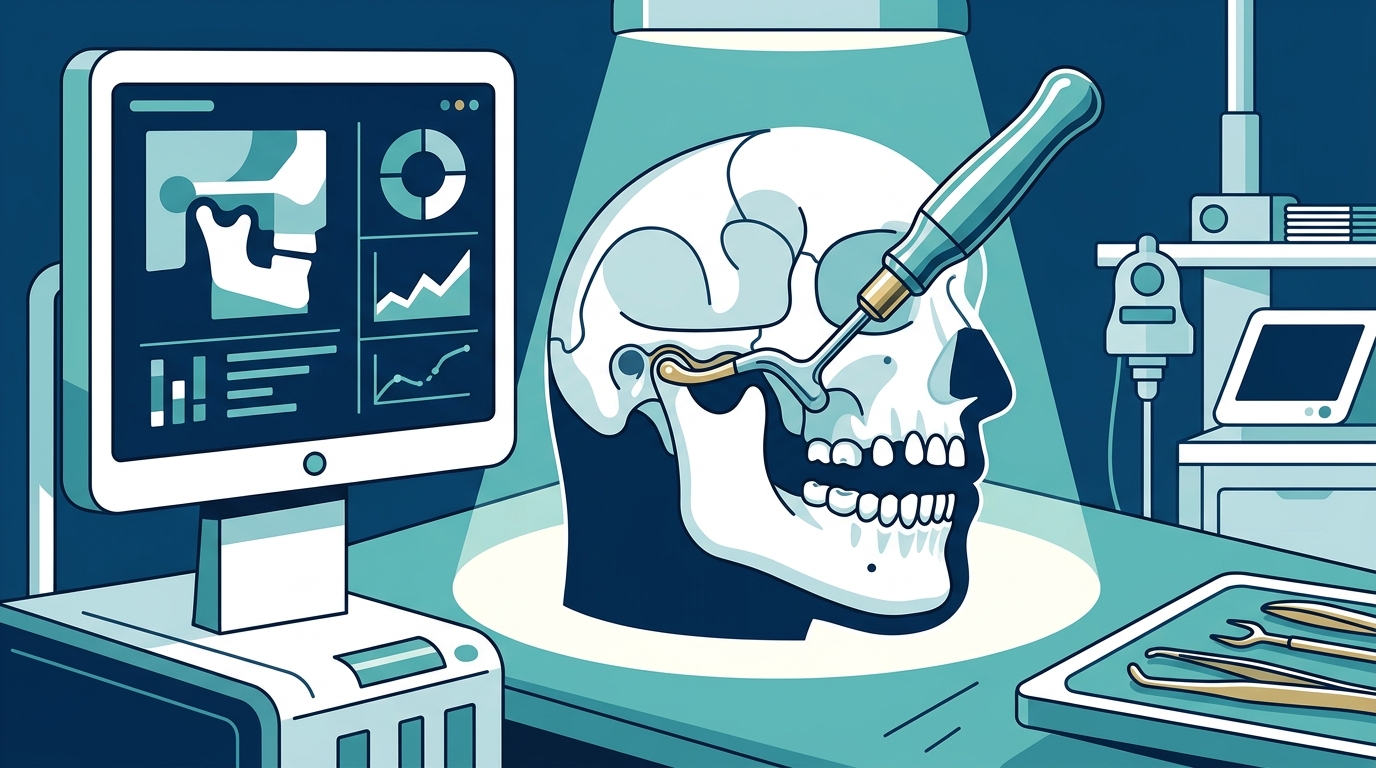
Orthognathic surgery directly addresses the root cause of chronic joint compression. Orthognathic surgery is a specialized surgical procedure that repositions the upper and lower jaws to achieve optimal occlusion. Surgeons utilize precise osteotomy techniques to separate bone segments and reposition them. This process eliminates abnormal pressure on the articular disc and surrounding ligaments. Patients frequently experience immediate relief from joint popping and muscle fatigue. The procedure also restores proper airway dimensions and improves respiratory function. Long-term stability depends on accurate preoperative planning and rigid fixation.
Minimally Invasive Techniques and Recovery
Modern surgical protocols prioritize tissue preservation and rapid rehabilitation. Minimally invasive surgery is a clinical approach that utilizes small incisions and specialized instrumentation to reduce tissue trauma. Dr. Choi incorporates advanced tools like the Medtronic Piezoelectric Saw and Exparel extended pain relief. These technologies minimize bleeding and eliminate the need for heavy sedation. Recovery timelines typically span two to three weeks for initial healing. Patients return to light activities much faster than traditional open approaches. Postoperative swelling resolves predictably while maintaining structural integrity.
Long-Term Functional and Aesthetic Outcomes
Successful realignment delivers compounding benefits across multiple physiological systems. Facial contouring is a cosmetic and functional procedure that refines jawline definition while correcting skeletal imbalances. Proper bite alignment reduces abnormal wear on dental restorations and natural enamel. Patients report enhanced chewing efficiency and reduced gastrointestinal discomfort. The aesthetic transformation often follows natural facial proportions rather than artificial standards. Stable occlusion prevents future dental complications and periodontal disease. Longitudinal studies confirm sustained quality of life improvements.
Patient Selection and Preoperative Planning
Candidate evaluation requires comprehensive diagnostic imaging and functional analysis. Virtual surgical planning is a digital workflow that creates three-dimensional models for precise surgical simulation. CT guided implant placement and skeletal mapping allow surgeons to predict outcomes accurately. Patients with severe malocclusion, chronic joint degeneration, or airway obstruction benefit most. The multidisciplinary team coordinates with orthodontists to sequence treatment phases. Insurance verification and financial counseling ensure transparent cost management. Clear communication establishes realistic expectations before incision.
Surgical Option Comparison
| Procedure Type | Primary Indication | Recovery Timeline | Key Technology |
|---|---|---|---|
| Conventional Osteotomy | Severe skeletal malocclusion | 4 to 6 weeks | Rigid internal fixation |
| Minimally Invasive Resection | Localized joint degeneration | 2 to 3 weeks | Piezoelectric instrumentation |
| Arthroscopic Decompression | Moderate disc displacement | 1 to 2 weeks | Endoscopic visualization |
| Custom Jawline Implant | Aesthetic contouring deficiency | 3 to 4 weeks | Computer-aided design |
Key Takeaways
- Surgical realignment eliminates abnormal joint compression and restores natural biomechanics.
- Minimally invasive protocols reduce tissue trauma and accelerate initial healing phases.
- Virtual surgical planning ensures predictable anatomical outcomes and precise bone positioning.
- Patients experience sustained pain relief and improved masticatory efficiency long-term.
- Facial contouring procedures refine jawline definition while correcting skeletal imbalances.
- Comprehensive preoperative imaging eliminates guesswork and optimizes surgical sequencing.
Frequently Asked Questions
How long does jaw surgery recovery typically take?
Initial healing requires two to three weeks, while complete bone consolidation takes approximately three months. Patients gradually resume normal dietary habits during this stabilization period.
Is jaw surgery covered by health insurance?
Most comprehensive medical plans cover functional procedures when documented medical necessity exists. Our financial team verifies coverage details and provides transparent cost estimates before scheduling.
What diagnostic tests determine surgical candidacy?
Comprehensive evaluation includes panoramic radiographs, cone beam CT scans, and dynamic bite analysis. These imaging studies reveal structural discrepancies and joint degeneration patterns.
Can surgery correct both functional and aesthetic concerns?
Orthognathic procedures simultaneously resolve bite dysfunction and refine facial proportions. Patients achieve balanced aesthetics while restoring optimal chewing mechanics.
What anesthesia protocols ensure patient safety?
Board-certified surgeons utilize monitored anesthesia care with advanced airway management. Our facility maintains strict safety standards and emergency response protocols.
How does facial trauma impact joint function?
Severe fractures often displace the condyle and disrupt normal hinge mechanics. Surgical repair restores anatomical alignment and prevents chronic joint dysfunction.
Schedule Your Consultation
Take the first step toward lasting pain relief and functional restoration. Contact Park Avenue Oral, Maxillofacial & Implant Surgery to schedule a comprehensive evaluation. Dr. Choi and our clinical team will design a personalized treatment roadmap tailored to your anatomical requirements. Explore our advanced technology and review transparent pricing structures before your visit. Book your appointment today and reclaim your quality of life.