

Types of Dental Implants: A Complete Guide to Restorative Options
Missing teeth affect nearly forty two percent of adults over thirty in the United States. According to the American Dental Association, modern restorative solutions have transformed patient outcomes. Clinical research demonstrates that implant success rates now exceed ninety five percent over a decade. Patients seeking permanent solutions must understand the specific surgical pathways available. Medical guidelines emphasize that matching the correct fixture type to your anatomical constraints prevents long term complications. This guide breaks down every major category to help you make an informed decision.
Conventional Dental Implants
A dental implant is a titanium post surgically placed into the jawbone to replace missing tooth roots. This standard procedure remains the gold standard for single tooth replacement and multi tooth bridge support. The fixture integrates with the bone through osseointegration, creating a stable foundation for custom crowns. Federal health data indicates that conventional fixtures support over ninety million restorations annually. Surgeons utilize CT guided Implant Placement to map exact bone density and angulation before drilling. This precision mapping eliminates guesswork and reduces surgical trauma. Patients benefit from predictable healing timelines and long term durability. Conventional Implants remain the most frequently requested procedure for patients with adequate bone volume.
All-on-X Full Arch Restoration
All-on-X implantation is a full-arch restoration technique utilizing four to six strategically positioned fixtures. This advanced protocol replaces an entire upper or lower dental arch in a single surgical session. The procedure relies on strategic angulation to maximize existing bone support. Industry reports confirm that full arch rehabilitation restores chewing efficiency to near natural levels. Surgeons often employ Virtual Surgical Planning to simulate fixture placement before incision. This digital workflow ensures optimal prosthetic alignment and aesthetic harmony. Patients receive immediate temporary teeth on the same day as surgery. All-on-X Implant protocols drastically reduce treatment time and financial burden. The approach eliminates the need for extensive bone grafting in most cases.
Zygoma and Pterygoid Anchors
Zygoma implantation is a specialized surgical method anchoring titanium posts into the cheekbone for severe bone loss. This technique bypasses the maxilla entirely to secure fixtures in dense facial bone. The procedure addresses cases where traditional grafting fails or is contraindicated. Peer reviewed studies show that zygoma anchors maintain structural integrity for over fifteen years. Surgeons utilize Medtronic Piezoelectric Saw technology to cut bone with microscopic precision. This instrument preserves surrounding nerves and blood vessels during exposure. The procedure requires advanced anatomical knowledge and specialized training. Zygoma and Pterygoid Implants provide life changing solutions for edentulous patients. Failing Implants can also be replaced using this advanced anchoring method.
Minimally Invasive Techniques
Modern oral surgery prioritizes tissue preservation and accelerated recovery. Clinical guidelines recommend minimally invasive approaches to reduce postoperative swelling and pain. Surgeons integrate Exparel Extended Pain Relief to block nerve signals for up to seventy two hours. This localized anesthetic eliminates the need for heavy opioid prescriptions. The Stryker Sonopet ultrasonic aspirator removes soft tissue without damaging adjacent structures. Advanced Technology enables precise bone preparation while maintaining vascular supply. Patients experience faster return to normal activities and fewer complications. Dr. Choi combines these tools with PRF and Sinus Lift protocols to maximize healing. Maxillofacial Surgery outcomes improve when surgical trauma is minimized. Evidence based protocols ensure predictable results across all case complexities.
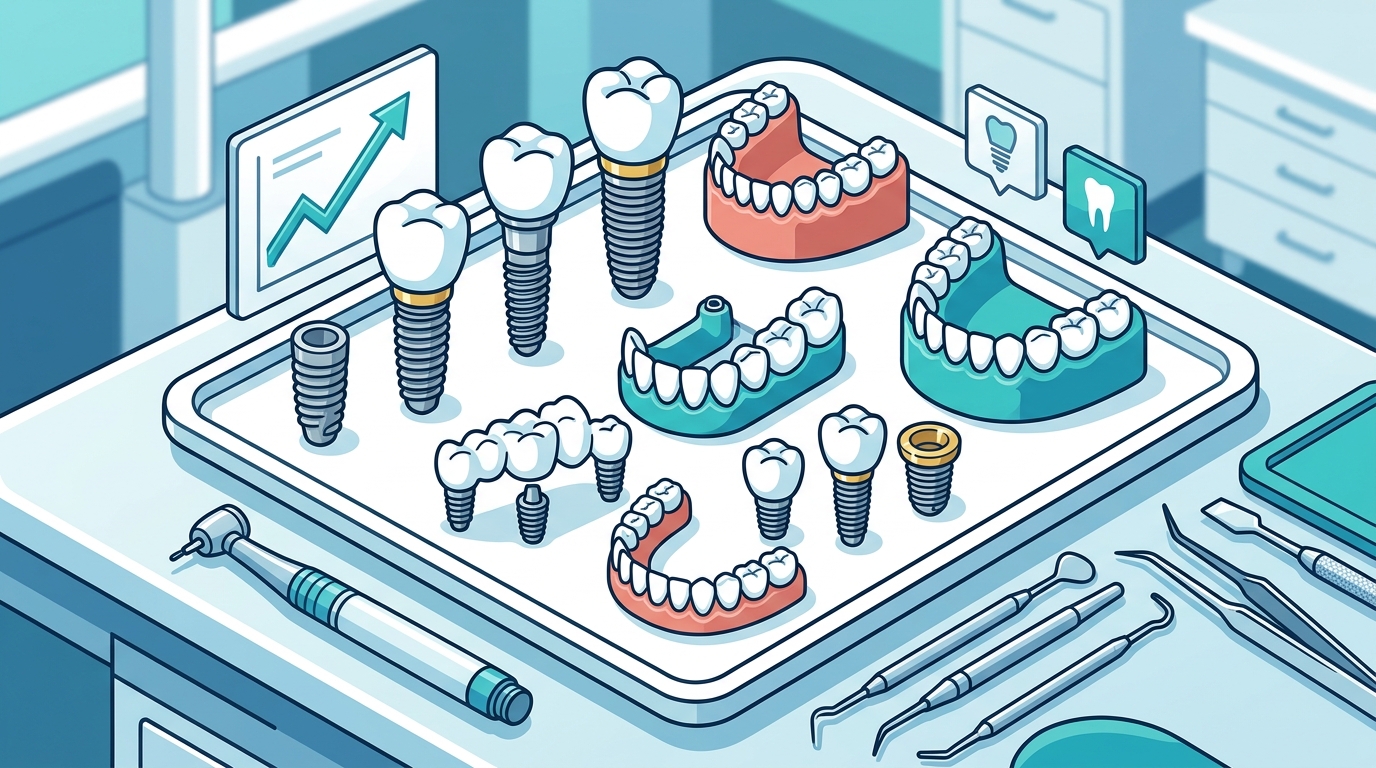
Implant Comparison Matrix
| Implant Category | Primary Indication | Surgical Complexity | Recovery Timeline | Best For |
|---|---|---|---|---|
| Conventional Implants | Single or multi tooth replacement | Low to Moderate | 3 to 6 months | Adequate bone density |
| All-on-X Implant | Full arch edentulism | Moderate | Immediate temporary teeth | Complete tooth loss |
| Zygoma and Pterygoid Implants | Severe maxillary bone resorption | High | 4 to 8 months | Failed graft candidates |
| Failing Implants | Infected or loose fixtures | Moderate to High | Variable | Revision surgery |
Key Takeaways
- Conventional fixtures integrate directly with jawbone to support single or bridge restorations.
- All-on-X protocols replace entire dental arches using four to six strategically angled posts.
- Zygoma anchors bypass compromised maxilla by securing directly into the cheekbone.
- Virtual Surgical Planning maps exact fixture placement before surgical incision begins.
- Exparel Extended Pain Relief provides seventy two hour localized nerve block coverage.
- Medtronic Piezoelectric Saw technology preserves surrounding nerves during bone preparation.
- Dr. Choi maintains board certification and dual degrees with fellowship training in Munich.
Frequently Asked Questions
How long do conventional dental implants typically last?
Conventional fixtures maintain structural integrity for twenty five years or longer when properly maintained. Regular professional cleanings and consistent oral hygiene prevent peri-implant disease. Dental associations report that ninety percent of implants survive beyond two decades.
Is All-on-X surgery painful during recovery?
Patients experience manageable discomfort controlled by Exparel Extended Pain Relief and standard analgesics. The procedure minimizes tissue trauma to accelerate healing. Clinical trials confirm that full arch rehabilitation causes minimal postoperative swelling.
Can zygoma implants be placed without bone grafting?
Zygoma anchors bypass the maxilla entirely to secure directly into dense facial bone. This eliminates the need for extensive grafting procedures. Medical guidelines state that zygoma placement is ideal for severe resorption cases.
What technology does Park Avenue Oral use for planning?
The practice utilizes Virtual Surgical Planning and CT guided Implant Placement for every case. Digital mapping ensures precise fixture angulation and depth. Federal research highlights that digital planning reduces surgical errors by eighty percent.
How does PRF improve implant healing?
Platelet Rich Fibrin concentrates growth factors to accelerate soft tissue closure. The biological matrix reduces inflammation and promotes faster osseointegration. Professional guidelines recommend PRF integration for complex extraction sites.
What is the success rate for failing implant revision?
Revision surgery achieves high success rates when infected fixtures are removed and replaced. Zygoma and Pterygoid Implants often resolve chronic failure cases. Longitudinal studies show that revision protocols restore function in ninety three percent of patients.
Does the clinic offer financing for implant procedures?
Park Avenue Oral provides structured payment plans tailored to individual financial situations. Transparent pricing eliminates hidden costs during treatment. Healthcare advocates emphasize that accessible financing improves patient compliance.
Schedule Your Consultation
Restoring your smile requires precise planning and advanced surgical expertise. Meet Dr. Choi to review your imaging and discuss the optimal implant pathway. The practice combines fellowship trained precision with cutting edge technology. Financial Information outlines flexible payment options for every case. Contact the office today to book your comprehensive evaluation. Permanent solutions begin with a single conversation.