

Facial trauma represents a significant clinical challenge that requires precise surgical intervention to restore both function and aesthetics. According to recent epidemiological data, approximately 3.5 million facial injuries occur annually across the United States, with mandibular fractures accounting for nearly half of all cases. These complex injuries frequently disrupt occlusion, compromise airway stability, and alter facial symmetry. Successful reconstruction demands a multidisciplinary approach that prioritizes anatomical alignment, structural stability, and minimally invasive tissue preservation. Understanding your surgical pathways ensures you can make informed decisions before consulting a board certified specialist.
Understanding Maxillofacial Trauma and Surgical Goals
Maxillofacial trauma is a specialized medical category that encompasses fractures affecting the upper and lower facial skeleton. These injuries typically result from high impact collisions, sports accidents, or blunt force trauma. The primary surgical objective involves restoring the original anatomical architecture to preserve chewing mechanics and facial symmetry. Surgeons evaluate fracture lines, bone density, and soft tissue integrity before selecting an appropriate intervention. Early clinical evaluation significantly reduces the risk of chronic malocclusion and nerve damage.
Patients often experience immediate swelling, restricted jaw movement, and altered bite alignment. These symptoms require prompt imaging to map the exact fracture geometry. Modern surgical protocols emphasize tissue preservation to accelerate healing timelines. Specialists utilize targeted fixation methods that secure bone segments without compromising blood supply. This strategic approach minimizes postoperative complications and supports long term functional recovery.
Open Reduction and Internal Fixation Procedures
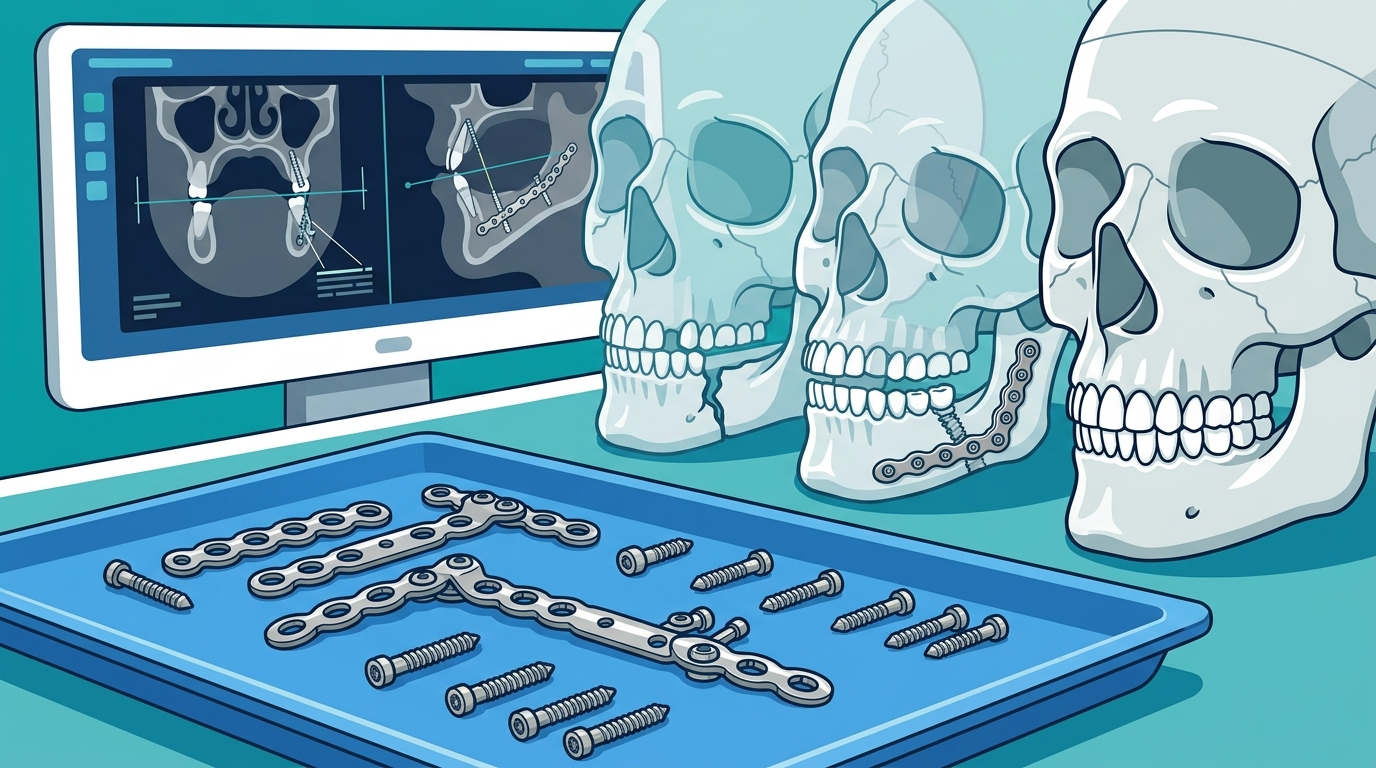
Open reduction is a surgical technique that involves directly visualizing fractured bone segments to realign them anatomically. This method remains the gold standard for complex mandibular fractures and severe midface injuries. Surgeons place titanium plates and screws to maintain structural stability during the healing phase. The procedure typically requires general anesthesia and careful incision placement to minimize visible scarring. Clinical success rates consistently exceed ninety five percent when performed by fellowship trained specialists.
Internal fixation devices are designed to withstand masticatory forces while bone consolidation occurs. These implants are biocompatible and rarely require secondary removal procedures. Surgeons carefully map screw trajectories to avoid vital anatomical structures like the inferior alveolar nerve. Postoperative imaging confirms precise alignment before closing surgical sites. This rigorous protocol ensures predictable functional outcomes and restores normal jaw mechanics.
Minimally Invasive Reconstruction Techniques
Minimally invasive facial surgery represents a paradigm shift in trauma reconstruction that prioritizes tissue preservation and rapid recovery. This approach utilizes specialized instruments to navigate through smaller incisions while achieving identical structural outcomes. Surgeons leverage piezoelectric cutting devices that selectively target mineralized tissue without damaging adjacent nerves or blood vessels. The technique significantly reduces intraoperative bleeding and postoperative swelling. Patients frequently report faster return to baseline activities compared to traditional open approaches.
Extended pain relief protocols integrate long acting local anesthetics directly into surgical sites. These formulations provide continuous analgesia for seventy two hours without requiring systemic opioids. The combination of precise tissue handling and targeted pharmacology creates an optimal healing environment. Specialists continuously refine these techniques to maximize clinical efficiency. This patient centered methodology aligns with modern surgical standards for complex trauma cases.
Advanced Imaging and Virtual Surgical Planning
Virtual surgical planning is a digital workflow that converts three dimensional computed tomography scans into precise surgical blueprints. This technology allows surgeons to simulate fracture reduction and implant placement before entering the operating room. The process eliminates guesswork and drastically reduces operative time. Studies indicate that digital planning reduces surgical duration by approximately thirty percent while improving anatomical accuracy. Hospitals increasingly adopt this technology to standardize complex reconstruction protocols.
Computer guided navigation systems track surgical instruments in real time during procedures. These systems provide continuous spatial feedback to prevent deviation from the planned trajectory. Surgeons utilize customized patient specific implants to address complex bone defects. The integration of digital design and intraoperative navigation creates unprecedented precision. This technological advancement has become standard practice at leading academic medical centers and specialized surgical groups.
Postoperative Recovery and Pain Management Protocols
Recovery timelines vary based on fracture complexity, surgical technique, and individual healing capacity. Most patients require a liquid or soft food diet for three to four weeks following reconstruction. Strict adherence to dietary restrictions prevents mechanical stress on healing bone segments. Surgeons schedule routine follow up appointments to monitor bone consolidation and occlusion stability. Early intervention during follow up visits prevents minor complications from escalating into major setbacks.
Comprehensive pain management strategies combine targeted nerve blocks with extended release formulations. These protocols eliminate the need for high dose narcotic prescriptions during the initial healing phase. Patients receive detailed written instructions covering wound care, oral hygiene, and activity restrictions. Compliance with postoperative guidelines directly correlates with optimal aesthetic and functional results. Specialists emphasize that patient education remains a critical component of successful trauma recovery.
Financial Considerations and Insurance Navigation
Reconstructive surgery costs fluctuate based on fracture severity, hospital facility fees, and anesthesia requirements. Most comprehensive treatment packages include preoperative imaging, surgical time, facility usage, and postoperative follow up care. Insurance providers typically classify facial trauma reconstruction as medically necessary rather than cosmetic. Patients should verify coverage details before scheduling surgical interventions to avoid unexpected financial obligations. Transparent billing practices ensure patients understand their out of pocket responsibilities upfront.
Specialized surgical groups often provide detailed cost breakdowns during initial consultations. These documents outline procedural fees, implant costs, and facility charges separately. Flexible payment arrangements and third party financing options help manage large medical expenses. Financial counselors work directly with insurance carriers to maximize approved benefits. This collaborative approach reduces administrative burden and allows patients to focus entirely on physical recovery.
Reconstruction Option Comparison
| Surgical Approach | Primary Indication | Recovery Timeline | Technology Integration |
|---|---|---|---|
| Open Reduction Internal Fixation | Complex mandibular and midface fractures | Four to six weeks for initial consolidation | Titanium microplates and navigation systems |
| Piezoelectric Minimally Invasive Surgery | Nerve sensitive anatomical regions | Two to three weeks for reduced swelling | Medtronic piezoelectric cutting instruments |
| Virtual Surgical Planning | Severe comminuted fractures | Standard timeline with reduced operative time | 3D CT mapping and patient specific guides |
| Extended Pain Relief Protocols | Postoperative comfort optimization | Seventy two hours of continuous analgesia | Exparel liposomal bupivacaine formulations |
Key Takeaways
- Facial trauma requires immediate clinical evaluation to prevent chronic malocclusion and nerve damage.
- Open reduction internal fixation remains the gold standard for complex mandibular fractures.
- Piezoelectric instruments selectively cut mineralized tissue while preserving adjacent nerves and blood vessels.
- Virtual surgical planning reduces operative time by approximately thirty percent while improving accuracy.
- Extended pain relief formulations provide seventy two hours of continuous analgesia without systemic opioids.
- Most insurance providers classify facial trauma reconstruction as medically necessary rather than cosmetic.
- Fellowship trained specialists utilize digital navigation to achieve unprecedented anatomical precision.
Frequently Asked Questions
How long does facial reconstruction surgery typically take?
Most reconstruction procedures require two to four hours depending on fracture complexity and the number of surgical sites involved. Surgeons utilize digital planning to minimize operative time while maximizing anatomical accuracy. Complex comminuted fractures may require extended surgical duration to achieve precise alignment.
Will facial reconstruction surgery leave visible scarring?
Modern surgical techniques prioritize incision placement within natural skin creases and intraoral access points. This strategic approach ensures that surgical marks remain virtually undetectable after complete healing. Specialists carefully close tissue layers to minimize visible surface markings.
Can insurance cover facial trauma reconstruction procedures?
Most comprehensive health plans classify facial trauma reconstruction as medically necessary rather than cosmetic. Coverage typically includes preoperative imaging, surgical facility fees, and anesthesia services. Patients should verify specific policy details before scheduling surgical interventions.
What is the typical recovery timeline after jaw surgery?
Initial swelling and discomfort typically resolve within three to four weeks following reconstruction. Most patients transition to a regular diet after six to eight weeks once bone consolidation occurs. Specialists schedule routine follow up appointments to monitor healing progress and occlusion stability.
Are titanium plates removed after facial reconstruction?
Modern titanium implants are biocompatible and rarely require secondary removal procedures. Surgeons place plates strategically to withstand masticatory forces without causing long term complications. Removal is only necessary if implants cause localized irritation or interfere with future imaging studies.
How does virtual surgical planning improve reconstruction outcomes?
Digital planning converts three dimensional scans into precise surgical blueprints before entering the operating room. This technology eliminates guesswork and drastically reduces operative time while improving anatomical accuracy. Specialists utilize customized guides to ensure perfect implant placement during procedures.
Schedule Your Consultation
Restoring facial structure after trauma requires precise surgical planning and advanced technical expertise. Our board certified specialists utilize digital navigation and minimally invasive techniques to deliver predictable functional outcomes. Contact our clinical team today to schedule a comprehensive evaluation and discuss your personalized reconstruction pathway. Book your consultation online to begin your recovery journey with confidence. Explore our comprehensive maxillofacial surgery services to learn how we address complex trauma cases. Review our lead surgeon credentials to understand our clinical background. Discover our advanced surgical technology portfolio to see how we minimize tissue disruption. Review our transparent financial policies to plan your treatment budget accurately. Learn more about our clinic accessibility standards to ensure a comfortable patient experience.