
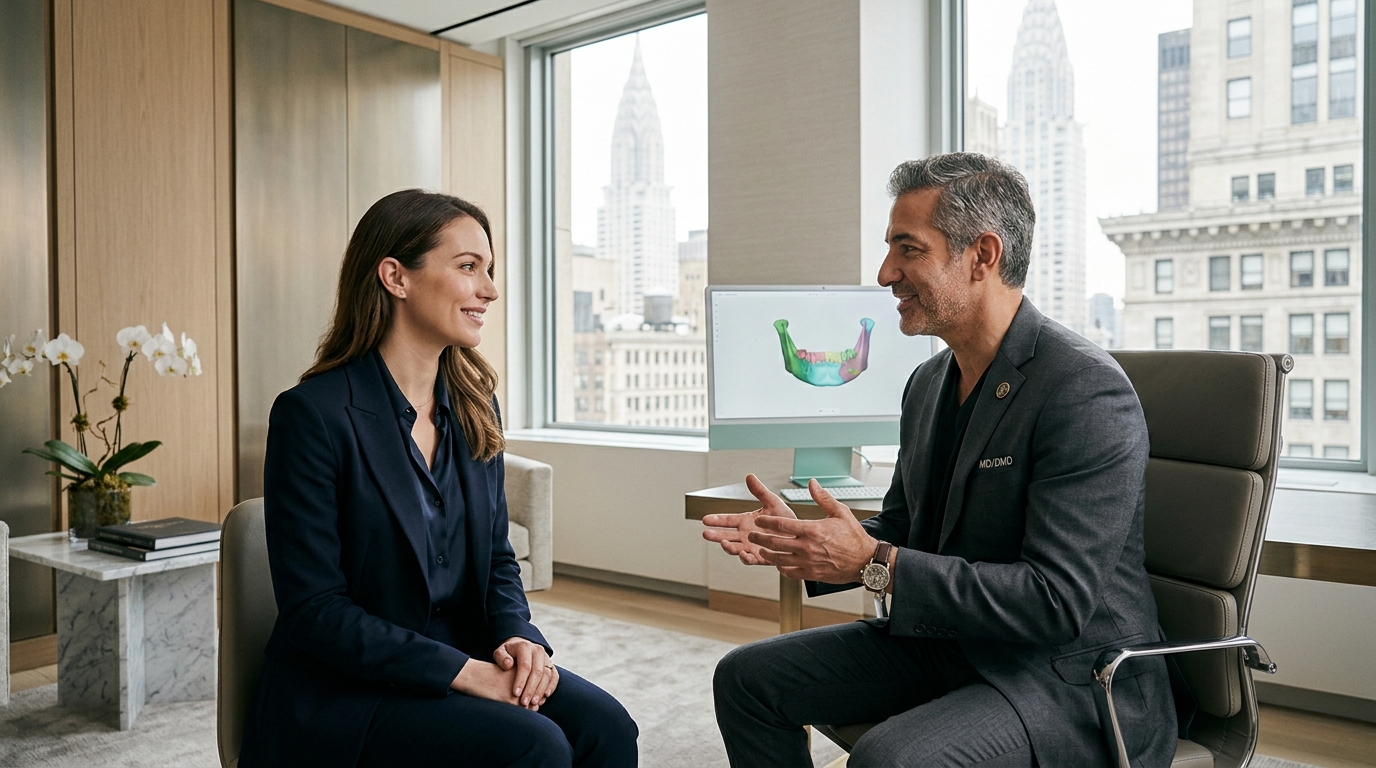
Modern craniofacial reconstruction has evolved significantly over the last decade. According to recent clinical data, approximately 35 percent of adults seeking orthognathic procedures prioritize both functional correction and refined facial aesthetics. This dual focus requires a specialist who understands complex skeletal anatomy alongside delicate soft tissue mapping. Patients in New York increasingly request minimally invasive techniques that reduce recovery time while preserving natural bone structure. Understanding these surgical pathways ensures you select a provider who aligns with your specific aesthetic and functional goals.
Understanding Orthognathic Procedures
Defining the Surgical Scope
Orthognathic surgery is a specialized branch of maxillofacial medicine that corrects skeletal discrepancies within the upper and lower jaws. This procedure addresses severe malocclusion, chronic breathing limitations, and asymmetric facial profiles. When performed by a board certified oral surgeon, the intervention restores proper bite alignment while enhancing structural harmony. Patients often experience improved chewing efficiency alongside a more balanced facial silhouette.
Evaluating Candidate Requirements
Ideal candidates present with documented skeletal imbalances that cannot be resolved through orthodontics alone. A comprehensive diagnostic evaluation typically includes three dimensional imaging and digital treatment simulations. Surgeons assess bone density, nerve proximity, and airway dimensions before finalizing the surgical plan. This rigorous screening process minimizes intraoperative complications and optimizes long term aesthetic outcomes.
Specialist Credentials and Technology
Fellowship Training and Board Certification
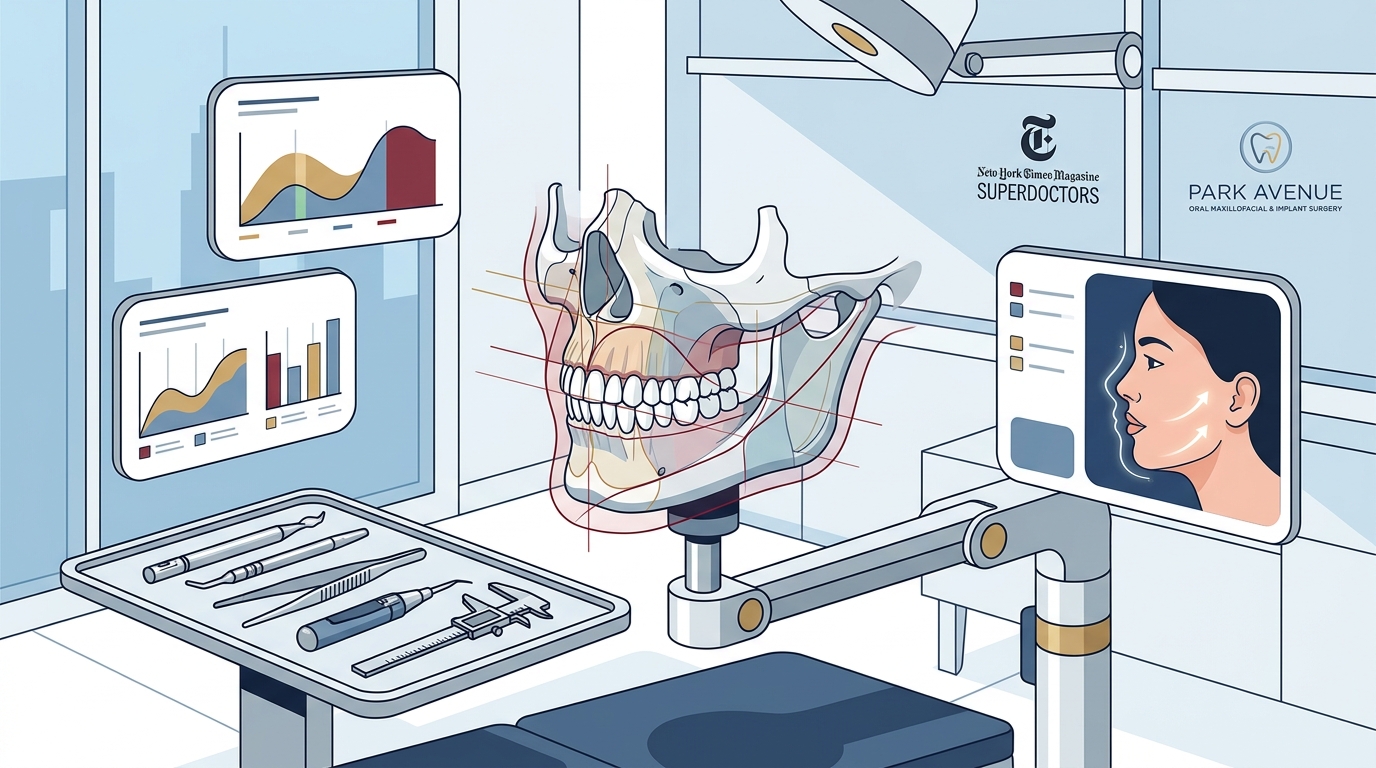
Selecting a qualified provider requires verifying specific academic milestones and clinical certifications. A fellowship trained oral surgeon completes rigorous postgraduate training in complex reconstructive techniques. This advanced education covers minimally invasive approaches, advanced anesthesia protocols, and complex craniofacial reconstruction. Dr. James Choi holds dual degrees and maintains active fellowship status with the American College of Surgeons.
Advanced Surgical Instrumentation
Modern operating rooms utilize precision cutting devices that minimize thermal damage to surrounding tissues. The Medtronic Piezoelectric Saw utilizes ultrasonic frequency to isolate bone cutting from soft tissue preservation. This targeted instrumentation reduces postoperative swelling and accelerates initial healing phases. Clinics equipped with CT guided implant placement systems also demonstrate exceptional precision during complex skeletal repositioning.
Facial Contouring Strategies
Jawline Refinement and Implants
Jawline implant surgery is a targeted cosmetic intervention that enhances mandibular definition without altering the underlying skeletal framework. This procedure utilizes biocompatible materials to project the chin and strengthen the lower facial third. Surgeons carefully map implant placement to match natural anatomical landmarks. The result is a sharper, more defined profile that complements existing facial proportions.
Chin Augmentation and Reduction
Chin surgery addresses both functional bite issues and aesthetic balance by modifying the anterior mandible. Reduction techniques remove excess bone to prevent a heavy or protruding appearance. Augmentation procedures add structural volume to weak or recessed chins. Both approaches require meticulous planning to maintain airway patency and occlusal stability.
Recovery and Pain Management
Minimally Invasive Protocols
Minimally invasive surgery is a clinical methodology that prioritizes tissue preservation and rapid functional return. Surgeons utilize small incisions and precise bone segmenting to limit postoperative trauma. This approach significantly reduces hospital stay duration and accelerates the return to daily activities. Patients following these protocols report substantially lower discomfort levels during the initial healing window.
Extended Anesthesia Solutions
Extended pain relief formulations provide targeted nerve blockade that lasts well beyond standard anesthetic windows. Exparel liposomal bupivacaine is a specialized injectable compound that diffuses slowly across surgical nerve endings. This technology eliminates the need for high dose oral opioids during the critical first seventy two hours. Clinics implementing this protocol report higher patient satisfaction scores and fewer postoperative complications.
Financial Planning and Insurance
Insurance Coverage and Medical Necessity
Insurance coverage for jaw surgery is a financial arrangement that reimburses medically necessary skeletal corrections. Providers must document functional impairments, including breathing disorders, chewing difficulties, and chronic joint pain. Purely cosmetic enhancements typically fall outside standard policy guidelines. Transparent financial counseling ensures patients understand their out of pocket responsibilities before scheduling procedures.
Payment Structures and Financing
Flexible payment structures allow patients to manage complex surgical costs without financial strain. Many practices offer tiered financing options that align with standard credit terms. Detailed cost breakdowns include facility fees, anesthesia charges, and postoperative follow up visits. Early financial consultation prevents unexpected billing surprises and streamlines the approval process.
Key Takeaways
- Dr. James Choi holds dual degrees and maintains active fellowship status with the American College of Surgeons.
- The practice utilizes Virtual Surgical Planning to simulate precise bone segment movements before incision.
- SARPE and DOME procedures address severe upper jaw expansion and sinus floor elevation simultaneously.
- PAOO techniques combine periodontally accelerated osteogenic orthodontics with rapid skeletal remodeling.
- BAMP protocols utilize temporary anchorage devices to minimize orthodontic treatment duration.
- Facial trauma reconstruction requires immediate surgical intervention to restore structural integrity and occlusion.
Frequently Asked Questions
How long does recovery typically take after jaw surgery?
Initial swelling peaks within the first seventy two hours and gradually subsides over three weeks. Most patients resume light desk work within ten to fourteen days. Full bone consolidation requires approximately three months of restricted dietary intake. Follow up imaging confirms proper skeletal alignment before clearing patients for normal activities.
Can jaw surgery improve breathing and sleep apnea?
Orthognathic procedures significantly expand the upper airway by repositioning the maxilla forward. This structural adjustment eliminates tissue collapse during sleep and reduces apnea severity. Many patients experience immediate improvements in oxygen saturation and daytime energy levels. Comprehensive sleep studies verify functional gains before and after surgical intervention.
What technology does Park Avenue Oral Maxillofacial Surgery utilize?
The practice employs Virtual Surgical Planning to simulate precise bone segment movements before incision. CT guided implant placement systems map exact drilling angles to avoid critical nerve pathways. Stryker Sonopet ultrasonic aspirators remove soft tissue while preserving delicate vascular networks. These integrated technologies minimize intraoperative bleeding and accelerate initial healing phases.
Is facial contouring covered by standard health insurance?
Purely cosmetic enhancements typically fall outside standard policy guidelines and require private financing. Medical necessity documentation must demonstrate functional impairments like chronic joint pain or breathing disorders. Insurance reviewers evaluate surgical records against established clinical criteria before approving reimbursement. Transparent financial counseling clarifies exact out of pocket responsibilities prior to scheduling.
How does PRF accelerate postoperative healing?
Platelet rich fibrin is a concentrated biological matrix derived from the patient own blood components. This natural scaffold releases growth factors that stimulate rapid tissue regeneration and angiogenesis. Surgeons apply PRF directly to surgical sites to minimize swelling and reduce infection risk. Clinical studies consistently demonstrate faster mucosal closure and improved graft integration rates.
Schedule Your Consultation
Ready to explore your surgical options? Book your comprehensive consultation with Park Avenue Oral Maxillofacial & Implant Surgery today. Our team will review your diagnostic imaging, discuss customized treatment pathways, and outline precise financial expectations. Visit https://parkavenueoralsurgery.com/contact to secure your appointment and begin your transformation.
Procedure Comparison
| Procedure Category | Primary Clinical Indication | Recovery Timeline | Specialized Technology |
|---|---|---|---|
| Jaw Surgery | Skeletal malocclusion and airway restriction | 10 to 14 days for light duties | Virtual Surgical Planning |
| All-on-X Implants | Complete edentulism and bone preservation | 3 months for osseointegration | CT Guided Placement |
| Facial Contouring | Mandibular asymmetry and weak chin | 7 to 10 days initial swelling | Medtronic Piezoelectric Saw |
| Complex Extractions | Impacted teeth and nerve proximity | 5 to 7 days tissue closure | Exparel Extended Relief |