

Facial Reconstruction After a Jaw Injury: Best Options & Recovery
Severe facial trauma, particularly involving the mandible or maxilla, can drastically alter both function and appearance. According to the American Association of Oral and Maxillofacial Surgeons, facial fractures are among the most common types of facial injuries, often resulting from high-impact events like vehicle accidents or sports collisions. Immediate and precise surgical intervention is critical to restore the ability to chew, speak, and breathe normally. This guide details the advanced reconstruction options available, focusing on evidence-based techniques that prioritize long-term stability and aesthetic harmony. (Accessibility Statement Park Avenue)
Understanding the Scope of Jaw Injuries
Jaw injuries are not merely cosmetic concerns. They are complex structural failures that require meticulous restoration. Facial reconstruction is the process of restoring form and function to the face after trauma. When the jawbone is fractured, the alignment of the teeth and the support of the facial muscles are compromised. Without proper treatment, patients may experience chronic pain, difficulty eating, and permanent facial asymmetry. (Oral Surgeon NYC l)
The severity of the injury dictates the reconstruction path. Simple fractures may heal with minimal intervention, while comminuted fractures (where the bone breaks into multiple pieces) require extensive surgical planning. Dr. James Choi, a board-certified Oral and Maxillofacial Surgeon with dual degrees and fellowship training, specializes in navigating these complex anatomical challenges. His approach leverages minimally invasive techniques to reduce tissue trauma while ensuring precise bone alignment. (MEET DR CHOI Park)
Surgical Intervention: ORIF and Reconstruction
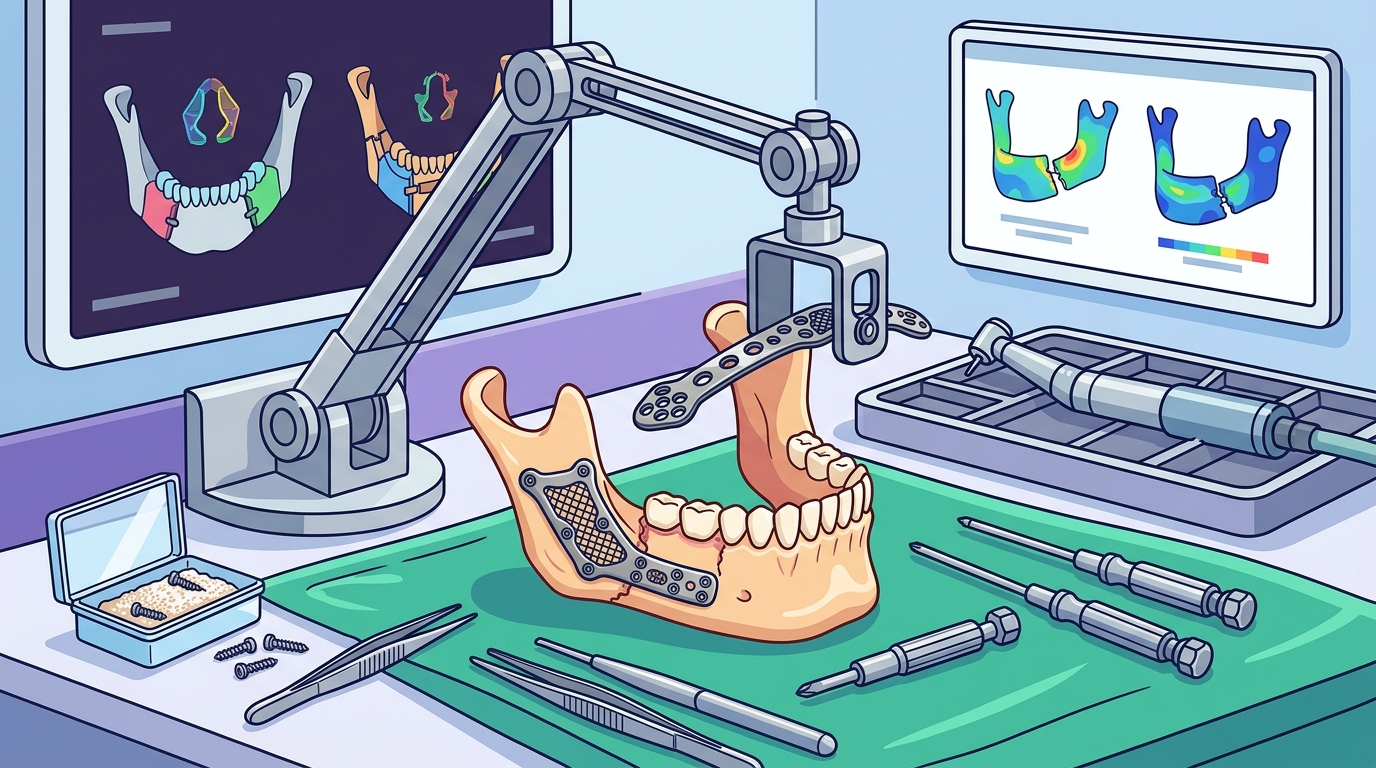
The gold standard for treating most jaw fractures is Open Reduction and Internal Fixation (ORIF). This procedure involves making small incisions inside the mouth or along natural skin creases to access the fracture site. The bone fragments are then realigned to their original anatomical position and secured with titanium plates and screws.
Why Titanium Plates Are Preferred
Titanium is the material of choice for internal fixation due to its biocompatibility and strength. It integrates well with bone tissue and does not interfere with future imaging scans like CTs or MRIs. In cases where bone loss is significant, such as in high-impact trauma, bone grafting may be necessary. PRF (Platelet-Rich Fibrin) is a regenerative technique that accelerates healing. By using the patient's own blood, PRF releases growth factors that promote faster bone regeneration and reduce postoperative swelling.
Minimally Invasive Approaches
Traditional open surgery can lead to longer recovery times and more visible scarring. However, modern oral surgery has evolved. Dr. Choi’s fellowship training in minimally invasive surgery allows for precise corrections with smaller incisions. This approach is particularly effective for complex cases involving the temporomandibular joint (TMJ) or the zygomatic arch. The goal is to stabilize the jaw while preserving the natural blood supply to the bone, which is crucial for preventing necrosis.
Advanced Technology in Reconstruction
Accuracy in facial reconstruction is non-negotiable. A millimeter of deviation can lead to malocclusion (bad bite) and chronic joint pain. To achieve this precision, Park Avenue Oral, Maxillofacial & Implant Surgery utilizes cutting-edge technology.
Virtual Surgical Planning (VSP)
Virtual Surgical Planning is a digital workflow that transforms how surgeons approach complex cases. Using 3D CT scans, surgeons can create a virtual model of the patient's face. They can then simulate the surgery, plan the exact placement of plates, and even fabricate custom surgical guides before the patient ever enters the operating room. This preoperative planning reduces operative time and enhances the predictability of the outcome.
CT-Guided Implant Placement
For patients who lose bone density due to trauma, immediate or delayed implant placement is often part of the reconstruction plan. CT guided implant placement ensures precise positioning of dental implants. By navigating through the 3D scan data, surgeons can avoid vital structures like nerves and sinuses, ensuring the implants are placed in the safest and most stable bone volume.
Piezoelectric Surgery
The Medtronic Piezoelectric Saw is a specialized tool used in complex bone surgeries. Unlike traditional drills that cut through both bone and soft tissue, piezoelectric devices cut only mineralized tissue. This precision protects nerves, blood vessels, and soft tissues from accidental damage, significantly reducing the risk of postoperative complications such as numbness or excessive bleeding.
Comparison of Reconstruction Methods
Choosing the right reconstruction method depends on the fracture type, bone quality, and patient health. The following table outlines the primary options available for jaw injury recovery.
| Method | Best For | Key Benefits | Recovery Considerations |
|---|---|---|---|
| ORIF with Titanium Plates | Most mandibular and maxillary fractures | High stability, precise alignment, durable | Soft diet for 4-6 weeks, minimal scarring |
| Bone Grafting (PRF/Autograft) | Significant bone loss or atrophy | Promotes natural bone regeneration, reduces infection risk | Longer healing time, requires secondary site harvest |
| Virtual Surgical Planning | Complex, comminuted fractures | Enhanced precision, reduced surgery time | Preoperative planning phase required |
| Piezoelectric Surgery | Proximity to nerves or sinuses | Minimizes soft tissue damage, precise cuts | Specialized equipment, may extend surgery time |
For patients with failing implants or severe bone loss, advanced options like Zygoma and Pterygoid Implants may be considered. These anchors bypass the maxilla and secure into the cheekbone or pterygoid plates, providing stability without the need for extensive bone grafting. This is particularly valuable for trauma patients who have lost significant upper jaw structure.
Key Takeaways
- Expertise Matters: Dr. James Choi brings 10 years of specialized training, including fellowship training in minimally invasive surgery from the University of Munich, to complex facial reconstruction cases.
- Technology Enhances Outcomes: The use of Virtual Surgical Planning and CT-guided navigation significantly reduces the risk of nerve damage and improves bite alignment accuracy.
- Minimally Invasive is Standard: Techniques like piezoelectric surgery and PRF application minimize tissue trauma, leading to faster recovery and less postoperative pain.
- Comprehensive Care: Treatment often involves a combination of oral surgery, implant placement, and maxillofacial correction to restore full function.
- Accessibility and Safety: Park Avenue Oral, Maxillofacial & Implant Surgery adheres to strict safety protocols and accessibility standards, ensuring a comfortable patient experience.
- Long-Term Stability: Proper reconstruction prevents long-term issues like TMJ disorders and chronic facial pain, which are common in untreated fractures.
- Customized Plans: Each patient receives a tailored surgical plan based on 3D imaging, ensuring the reconstruction matches their unique anatomical needs.
Frequently Asked Questions
How long does it take to recover from jaw fracture surgery?
Initial healing typically takes 4 to 6 weeks, during which a soft diet is required. Full bone consolidation and return to normal function can take 3 to 6 months, depending on the complexity of the reconstruction and the use of bone grafting.
Will the titanium plates need to be removed?
In most cases, titanium plates are designed to remain in place permanently as they are biocompatible and do not cause issues. Removal is only considered if a patient experiences irritation, infection, or if the plates interfere with future medical procedures.
What is the role of PRF in jaw reconstruction?
PRF (Platelet-Rich Fibrin) is derived from the patient's own blood and contains high concentrations of growth factors. When applied to the surgical site, it accelerates tissue healing, reduces swelling, and promotes bone regeneration, leading to a more comfortable recovery.
Can facial reconstruction restore my original appearance?
The goal of reconstruction is to restore symmetry and function. While it may not perfectly replicate the pre-injury state due to biological healing variations, advanced techniques like Virtual Surgical Planning allow surgeons to achieve highly predictable and aesthetically pleasing results.
Is anesthesia safe for complex facial surgery?
Yes. Park Avenue Oral, Maxillofacial & Implant Surgery prioritizes safe anesthesia protocols. Dr. Choi and his team are trained to manage deep sedation and general anesthesia, ensuring patient comfort and safety throughout the procedure.
What are Zygoma implants?
Zygoma implants are long implants that anchor into the cheekbone (zygoma) rather than the upper jaw. They are used for patients with severe maxillary bone loss who cannot undergo traditional bone grafting, providing immediate stability for dental restoration.
How does Virtual Surgical Planning improve surgery?
VSP allows surgeons to simulate the surgery digitally before making an incision. This preoperative planning reduces operative time, minimizes errors, and ensures that the final bite alignment is precise, leading to better long-term functional outcomes.
Schedule Your Consultation
Recovering from a jaw injury requires a surgeon who understands both the technical and aesthetic aspects of facial reconstruction. Dr. James Choi at Park Avenue Oral, Maxillofacial & Implant Surgery offers compassionate, evidence-based care tailored to your specific needs. Whether you require wisdom teeth extraction, complex jaw surgery, or advanced implant placement, our team is equipped with the latest technology to ensure your best possible outcome.
Do not delay your recovery. Contact our office today to schedule a comprehensive consultation and discuss your reconstruction options. Visit our Contact page to book your appointment or call us directly. Your journey to restored function and confidence starts with a precise, expert plan.