

Dental implants are widely considered the gold standard for tooth replacement, offering a permanent solution that restores both function and aesthetics. However, understanding the potential risks is crucial for any patient considering this procedure. According to the American Association of Oral and Maxillofacial Surgeons, dental implant surgery is a safe and effective procedure when performed by a qualified specialist. Yet, like any surgical intervention, it carries inherent risks that must be carefully managed. At Park Avenue Oral, Maxillofacial & Implant Surgery, we prioritize patient safety through advanced technology and evidence-based protocols to minimize these complications. (Accessibility Statement Park Avenue)
Infection and Healing Complications
One of the most common concerns patients have is the risk of infection at the surgical site. While the mouth contains numerous bacteria, the risk of serious infection is relatively low when proper sterile techniques are followed. Infection can occur if bacteria enter the implant site during or after surgery. Symptoms may include swelling, redness, pain, and pus discharge. Dr. Choi utilizes strict aseptic protocols to mitigate this risk. Mayo Clinic reports that infection rates are significantly reduced when patients follow post-operative care instructions meticulously.
Healing complications can also arise, particularly in patients with systemic health issues such as diabetes or those who smoke. Smoking, in particular, restricts blood flow to the gums, slowing the healing process and increasing the likelihood of infection. Dr. Choi often discusses these lifestyle factors during the initial consultation to ensure patients are prepared for a smooth recovery. Research indicates that smokers have a higher rate of implant failure compared to non-smokers.
Nerve Injury and Sensory Changes
Nerve injury is a rare but serious risk associated with lower jaw implants. The inferior alveolar nerve runs through the lower jaw and provides sensation to the lower lip and chin. During surgery, this nerve can be damaged, leading to temporary or permanent numbness, tingling, or pain. Dr. Choi’s expertise in maxillofacial surgery allows him to navigate these anatomical complexities with precision. He uses advanced imaging to map the nerve’s location before making any incisions.
While permanent nerve damage is uncommon, temporary sensory changes can occur due to swelling or inflammation near the nerve. These symptoms typically resolve within a few weeks as the healing process progresses. Patients are advised to report any unusual sensations immediately to their surgeon. The American Dental Association notes that careful pre-surgical planning is the most effective way to prevent nerve injury.
Implant Failure and Osseointegration Issues
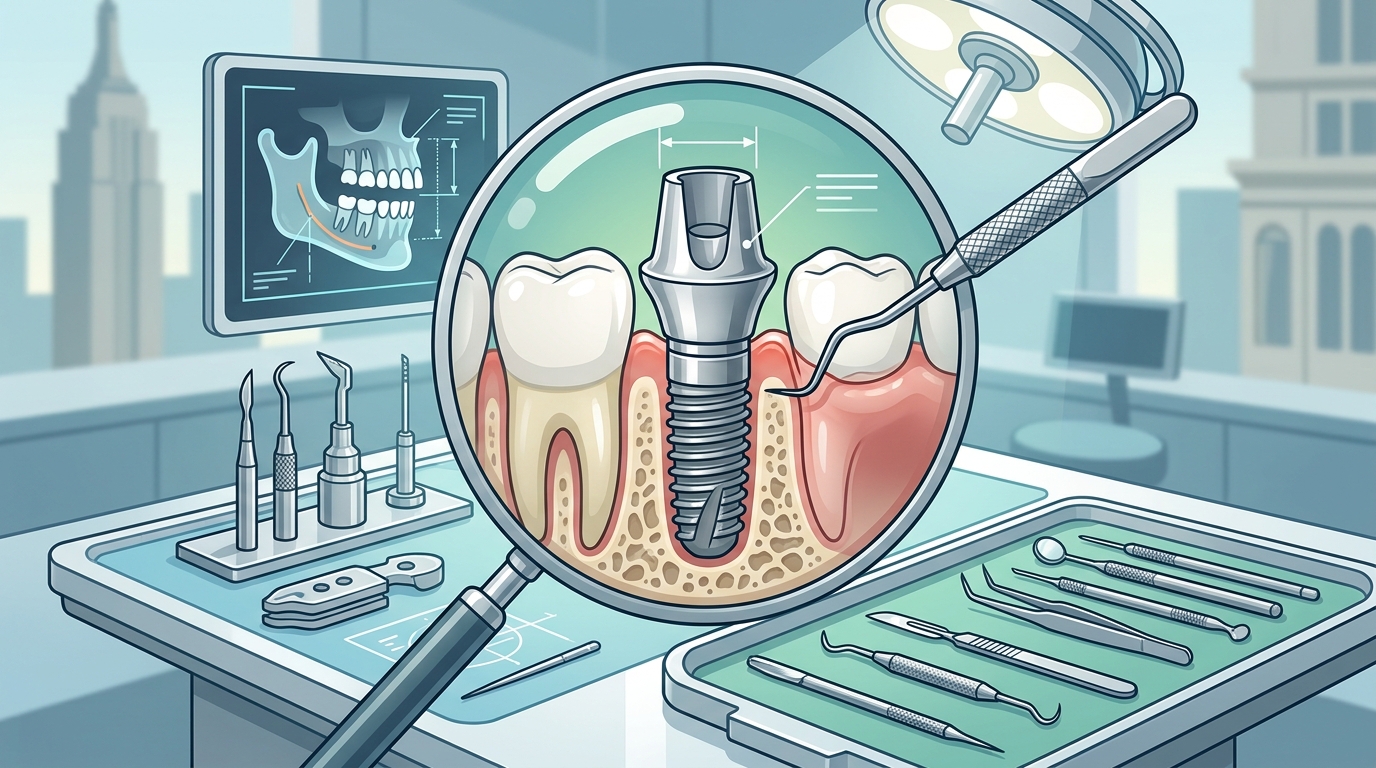
Osseointegration is the process by which the implant fuses with the jawbone. This is the foundation of a successful implant. However, sometimes this fusion fails to occur, leading to implant mobility and eventual failure. Factors contributing to osseointegration failure include poor bone quality, insufficient bone volume, and excessive load on the implant during healing. Dr. Choi assesses bone density using CT guided implant placement technology to ensure the implant is placed in the optimal location.
Bone grafting may be necessary if the jawbone has deteriorated due to tooth loss or periodontal disease. This additional procedure can increase the overall treatment time but significantly improves the success rate of the implant. Studies show that bone grafting can increase implant survival rates by providing a stable foundation. Dr. Choi is skilled in various bone grafting techniques, including PRF, to enhance healing and integration.
Sinus Complications in Upper Jaw Implants
Implants in the upper jaw pose a unique risk due to their proximity to the sinus cavities. During surgery, the implant may protrude into the sinus cavity, causing sinusitis or other complications. This risk is higher in patients who have lost bone in the upper jaw due to long-term tooth loss. A sinus lift procedure may be required to create enough bone height for the implant. Dr. Choi performs sinus lifts with precision to ensure the sinus membrane remains intact.
Sinus complications can include congestion, pressure, and infection. Patients are monitored closely after surgery to detect any signs of sinus issues early. Clinical data suggests that sinus lift procedures have a high success rate when performed by experienced surgeons. Dr. Choi’s fellowship training in minimally invasive surgery allows him to perform these procedures with minimal trauma to the surrounding tissues.
Minimizing Risks with Advanced Technology
At Park Avenue Oral, Maxillofacial & Implant Surgery, we leverage cutting-edge technology to minimize surgical risks. Virtual surgical planning allows Dr. Choi to simulate the procedure before it begins, ensuring precise implant placement. This technology reduces the risk of nerve injury and sinus complications by providing a detailed 3D map of the patient’s anatomy. Advanced technology such as the Medtronic Piezoelectric Saw is used to cut bone with minimal vibration, reducing trauma to surrounding tissues.
Exparel extended pain relief is another innovation we use to manage post-operative pain and reduce the need for opioids. This local anesthetic provides extended pain relief, enhancing patient comfort during the critical healing period. Research supports the use of Exparel in reducing post-surgical pain and improving patient satisfaction. By combining these technologies with Dr. Choi’s expertise, we ensure the highest standard of care for our patients.
Key Takeaways
- Infection is a manageable risk when proper sterile techniques and post-op care are followed.
- Nerve injury is rare but can cause temporary or permanent sensory changes in the lower jaw.
- Osseointegration failure can occur due to poor bone quality or excessive load on the implant.
- Sinus complications are a specific risk for upper jaw implants, often requiring a sinus lift.
- Virtual surgical planning and CT guided implant placement significantly reduce surgical risks.
- Smoking and systemic health issues can increase the risk of implant failure and infection.
- Dr. Choi’s fellowship training in minimally invasive surgery enhances patient safety and outcomes.
Frequently Asked Questions
How long does it take for dental implants to fail?
Implant failure can occur at any time, but most failures happen within the first few months as the implant integrates with the bone. Long-term failure is often due to peri-implantitis, a condition similar to gum disease.
Can smoking cause dental implant failure?
Yes, smoking significantly increases the risk of implant failure by restricting blood flow and impairing healing. Dr. Choi often advises patients to quit smoking before and after surgery to improve outcomes.
What is the success rate of dental implants?
Dental implants have a high success rate, often exceeding 95% when placed by an experienced surgeon. Factors such as bone quality, patient health, and post-operative care influence the success rate.
Do I need a sinus lift for upper jaw implants?
A sinus lift may be necessary if there is insufficient bone height in the upper jaw. Dr. Choi will assess your bone structure during the consultation to determine if this additional procedure is needed.
How is pain managed after dental implant surgery?
Pain is typically managed with a combination of over-the-counter pain relievers and, if necessary, prescription medications. Dr. Choi may also use Exparel for extended pain relief during the procedure.
What is osseointegration?
Osseointegration is the process by which the dental implant fuses with the jawbone, providing a stable foundation for the replacement tooth. This process is critical for the long-term success of the implant.
Can dental implants cause nerve damage?
Nerve damage is a rare risk, primarily associated with lower jaw implants. Dr. Choi uses advanced imaging to avoid nerve structures and minimize this risk.
Schedule Your Consultation
Understanding the risks of dental implant surgery is the first step toward making an informed decision. At Park Avenue Oral, Maxillofacial & Implant Surgery, we are committed to providing safe, effective, and patient-centered care. Dr. Choi’s expertise in advanced oral surgery and implants ensures that you receive the highest standard of treatment. Contact us today to schedule your consultation and take the first step toward a healthier smile. Visit our contact page to learn more about our services and how we can help you.