
Facial Reconstruction After a Jaw Injury: Best Options & Recovery
Severe facial trauma can disrupt both function and aesthetics, making timely reconstruction critical. According to the American Association of Oral and Maxillofacial Surgeons, facial fractures are among the most common injuries treated in emergency departments, with the mandible and maxilla being primary targets for surgical intervention. Immediate assessment by a board-certified specialist ensures that bone alignment, nerve preservation, and soft tissue integrity are restored correctly. This guide outlines the definitive surgical pathways available for patients recovering from jaw trauma. (Accessibility Statement Park Avenue)
The Critical First Phase of Assessment
Before any reconstruction begins, a comprehensive diagnostic evaluation is mandatory. Oral and maxillofacial surgeons utilize advanced imaging to map the fracture lines and assess soft tissue damage. This phase determines whether the injury requires simple wiring or complex internal fixation.
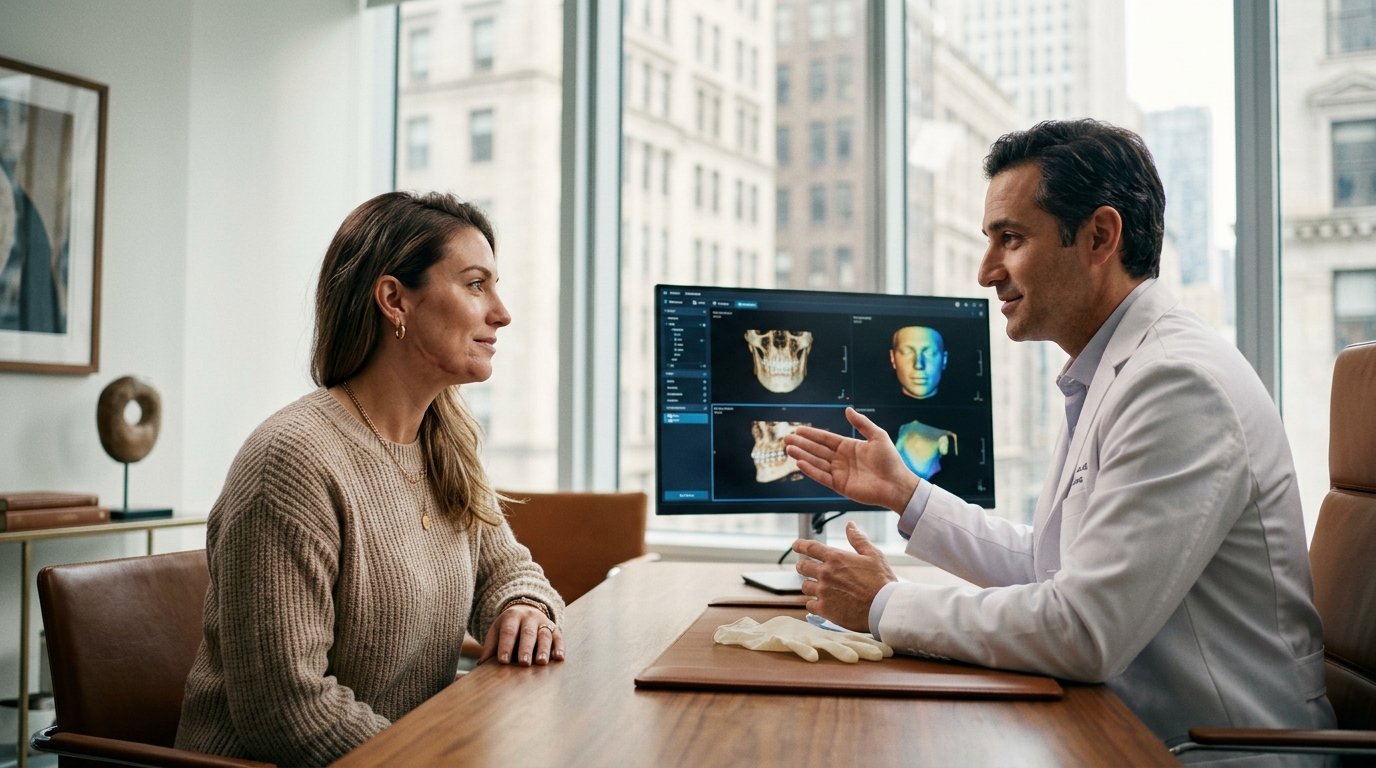
Virtual Surgical Planning has become the standard of care for complex cases. This process involves creating a 3D model of the patient's anatomy from CT scans. Surgeons can then simulate the osteotomies and plate placements virtually. This precision reduces operative time and improves the accuracy of the final occlusion. For more details on our diagnostic approach, visit our Advanced Technology page.
Facial reconstruction is not merely about setting bones. It involves restoring the structural support for the eyes, nose, and mouth. Misalignment can lead to long-term issues such as chronic pain, difficulty chewing, and asymmetrical facial features. Early intervention by a fellowship-trained surgeon significantly mitigates these risks.
Surgical Reconstruction Modalities
The choice of reconstruction technique depends on the severity of the trauma, the location of the fracture, and the patient's overall health. Below are the primary surgical options available for jaw injury repair.
Open Reduction and Internal Fixation (ORIF)
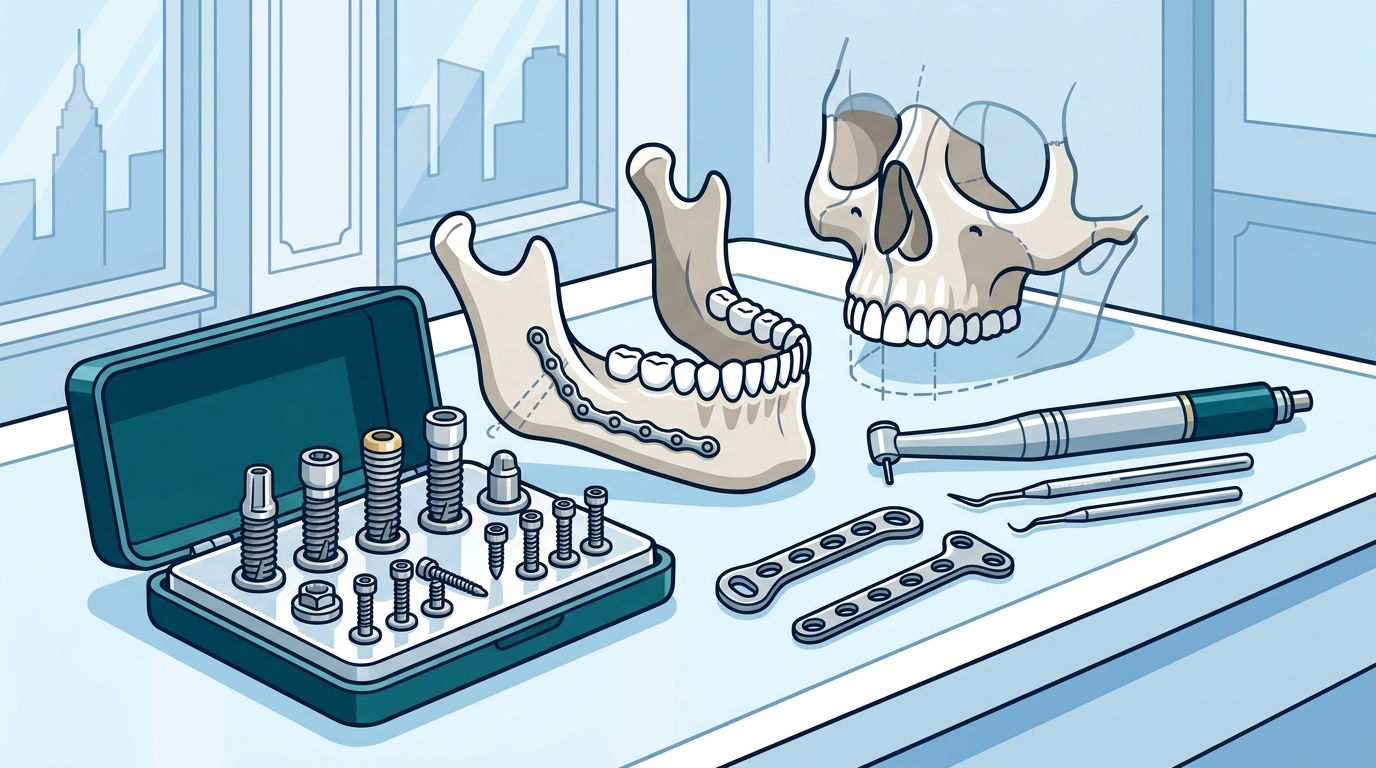
Open Reduction and Internal Fixation is the gold standard for mandibular and maxillary fractures. This procedure involves making incisions inside the mouth or along natural skin creases to access the bone. Titanium plates and screws are then used to stabilize the fractured segments. This method allows for rigid fixation, which promotes faster healing and early return to function. Unlike older methods that required wiring the jaws shut, ORIF preserves the patient's ability to eat and speak during recovery.
Bone Grafting for Defect Repair
In cases where bone is lost due to the impact or subsequent infection, bone grafting is necessary. Bone Graft procedures involve taking bone material from another part of the body, such as the hip or chin, or using synthetic substitutes. This material serves as a scaffold for new bone growth. It is essential for restoring the vertical height of the jaw and providing a stable foundation for future dental implants. Patients interested in restorative options should review our Implant Surgery services.
Minimally Invasive Techniques
For select fractures, minimally invasive approaches can reduce scarring and recovery time. Dr. Choi utilizes specialized instruments to place fixation devices through smaller incisions. This technique minimizes soft tissue trauma and reduces postoperative swelling. The goal is to achieve the same structural stability with less physiological stress on the patient. This approach is particularly beneficial for patients concerned about cosmetic outcomes following facial trauma.
Technology in Precision Surgery
Modern oral surgery relies heavily on technological advancements to ensure optimal outcomes. The integration of digital workflows has transformed how surgeons plan and execute complex reconstructions.
CT Guided Implant Placement
Even in the acute trauma setting, planning for future dental rehabilitation is crucial. CT guided Implant Placement allows surgeons to visualize the bone density and nerve pathways in three dimensions. This guidance ensures that any temporary or permanent prosthetic devices are placed with maximum safety and precision. It prevents damage to the inferior alveolar nerve, which controls sensation in the lower lip and chin.
Medtronic Piezoelectric Saw
The use of the Medtronic Piezoelectric Saw represents a significant leap in bone cutting technology. Unlike traditional drills, piezoelectric devices cut bone while sparing soft tissue. This specificity is vital near critical structures like nerves and blood vessels. It reduces the risk of accidental nerve injury and minimizes thermal damage to the bone edges. This technology supports faster healing and less postoperative pain for patients undergoing complex facial reconstruction.
Stryker Sonopet
For intricate work around the sinus and nasal structures, the Stryker Sonopet provides precise bone removal. This ultrasonic aspirator allows for controlled debulking of bone fragments. It is particularly useful in maxillofacial trauma where the sinus walls are compromised. The device helps surgeons restore the anatomical contours of the midface with high accuracy.
Recovery and Rehabilitation Timeline
Recovery from jaw injury reconstruction is a phased process. Understanding what to expect helps patients adhere to postoperative instructions and achieve better results.
Phase 1: Immediate Postoperative Period (Weeks 1-2)
Swelling and bruising peak during the first 72 hours. Patients are typically placed on a liquid or soft food diet. Pain management is critical, and Dr. Choi often utilizes Exparel Extended Pain Relief for targeted, long-lasting analgesia. This local anesthetic is applied directly to the surgical site to reduce the need for systemic opioids. Patients must also follow strict oral hygiene protocols to prevent infection.
Phase 2: Early Healing (Weeks 3-6)
Swelling subsides significantly, and patients may begin transitioning to softer solid foods. The bone begins to knit together, but it remains fragile. Physical therapy may be introduced to maintain jaw mobility. Regular follow-up appointments are scheduled to monitor healing progress via clinical examination and imaging.
Phase 3: Long-Term Restoration (Months 3-6+)
By this stage, the bone has typically healed sufficiently to support permanent restorations. If dental implants were planned, they are often placed during this window. Full functional recovery, including muscle strength and sensation, may take several months. Patients are advised to avoid high-impact activities until cleared by their surgeon.
Key Takeaways
- Specialist Care is Essential: Facial reconstruction requires a board-certified Oral and Maxillofacial Surgeon with fellowship training in minimally invasive techniques.
- Technology Enhances Outcomes: Tools like the Medtronic Piezoelectric Saw and CT-guided planning reduce nerve damage risks and improve precision.
- ORIF is the Standard: Open Reduction and Internal Fixation with titanium plates offers the most reliable stabilization for complex fractures.
- Pain Management Innovations: Techniques such as Exparel injection provide extended pain relief, reducing reliance on narcotic medications.
- Virtual Planning Matters: Preoperative 3D modeling allows for simulated surgery, leading to more accurate real-world results.
- Bone Grafting Restores Structure: Critical for cases with bone loss, ensuring a stable foundation for future dental implants.
- Timely Intervention Prevents Complications: Early surgical repair minimizes the risk of malocclusion and chronic facial asymmetry.
Frequently Asked Questions
How long does it take to heal from a fractured jaw?
Bony union typically occurs within 6 to 8 weeks. However, full functional recovery and remodeling can take up to 6 months. Adherence to dietary restrictions and follow-up care is vital for proper healing.
Will I need surgery to fix my teeth after the bone heals?
Often, yes. Once the bone has healed, dental implants or bridges may be required to restore chewing function and aesthetics. Our Implant Surgery team specializes in this restorative phase.
What is the difference between a bone graft and a dental implant?
A bone graft adds volume and density to the jawbone to create a stable foundation. A dental implant is a titanium post placed into that bone to replace a missing tooth root. They are often used in conjunction.
How does Virtual Surgical Planning improve my outcome?
VSP allows the surgeon to plan the exact position of plates and bone segments before entering the operating room. This reduces operative time and increases the accuracy of the final bite alignment.
Is facial trauma surgery covered by insurance?
Most medical insurance plans cover the surgical repair of facial fractures as they are considered medically necessary. Cosmetic procedures performed concurrently may not be covered. Our Financial Information page details our billing practices.
What is the role of PRF in recovery?
Platelet-Rich Fibrin (PRF) is derived from the patient's own blood. It contains growth factors that accelerate tissue healing and reduce inflammation when applied to the surgical site.
Can I drive after jaw surgery?
No. Patients must not drive while taking prescription pain medication or under the influence of anesthesia. It is recommended to have a responsible adult drive you home and stay with you for the first 24 hours.
Schedule Your Consultation
Recovering from a jaw injury requires expert care and a clear plan. Dr. James Choi, MD, DMD, FACS, brings over a decade of specialized training and fellowship-level expertise to every case. He combines compassionate care with cutting-edge technology to restore your function and confidence. Contact Park Avenue Oral, Maxillofacial & Implant Surgery today to begin your journey to recovery. Click here to schedule your consultation.