

Temporomandibular joint (TMJ) disorders affect approximately 13 million people in the United States annually, with a significant portion experiencing chronic pain that impacts daily function. According to clinical data, conservative treatments like physical therapy and medication often provide only temporary relief for severe structural misalignments. For patients with advanced TMJ pathology, orthognathic surgery offers a definitive solution by correcting the underlying skeletal discrepancies that drive joint degeneration and muscle tension.
Understanding TMJ Surgery Indications
Orthognathic surgery is not a first-line treatment for every TMJ patient. It is typically reserved for cases where non-surgical interventions have failed to resolve symptoms caused by skeletal discrepancies. The primary goal is to reposition the jaws to reduce stress on the temporomandibular joints and surrounding musculature.
Patients often seek consultation after years of managing headaches, jaw clicking, and limited mouth opening. Research indicates that when the jaw is misaligned, the condyles are forced into abnormal positions within the joint socket. This misalignment creates excessive pressure on the articular disc and bone, leading to inflammation and degenerative changes over time.
Dr. James Choi, a board-certified Oral & Maxillofacial Surgeon with 10 years of experience, specializes in evaluating these complex cases. His approach involves a thorough diagnostic workup, including 3D imaging and bite analysis, to determine if surgical intervention is the most viable path to long-term relief. Meet Dr. Choi to learn about his evidence-based methodology.
Mechanisms of Pain Relief
The most immediate benefit of jaw surgery for TMJ disorders is the reduction of chronic pain. By correcting the skeletal relationship between the upper and lower jaws, the surgery eliminates the mechanical stress that triggers muscle spasms and joint inflammation.
Chronic TMJ pain often radiates to the ears, neck, and shoulders, mimicking other conditions. Correcting the bite alignment restores the natural resting position of the jaw muscles. This reduction in muscle tension leads to a significant decrease in tension-type headaches and facial pain. Many patients report a dramatic improvement in their quality of life within weeks of the initial healing phase.
Additionally, surgery can address structural abnormalities within the joint itself. In cases where the joint disc is displaced or the bone is damaged, procedures like arthroscopy or open joint surgery can repair or replace the damaged components. Explore Maxillofacial Surgery options for detailed procedural information.
Functional Improvements & Bite Alignment
Beyond pain relief, jaw surgery restores critical oral functions. TMJ disorders often cause difficulty in chewing, speaking, and even breathing. Correcting the jaw position ensures that the teeth meet properly, known as occlusion. Proper occlusion distributes biting forces evenly across the dental arch, preventing excessive wear on specific teeth.
For patients with severe overbites or underbites, the functional improvement is transformative. The ability to chew food efficiently aids in digestion and overall nutritional health. Furthermore, correcting the jaw position can improve airway patency, which is particularly beneficial for patients with sleep apnea or breathing difficulties related to jaw structure.
Dr. Choi utilizes advanced Virtual Surgical Planning to predict and optimize these functional outcomes. This technology allows for precise simulation of the surgical movements, ensuring that the final bite is both aesthetically pleasing and functionally sound.
Common Surgical Procedures
Several surgical techniques are employed to treat TMJ disorders, depending on the severity of the condition and the specific anatomical issues.
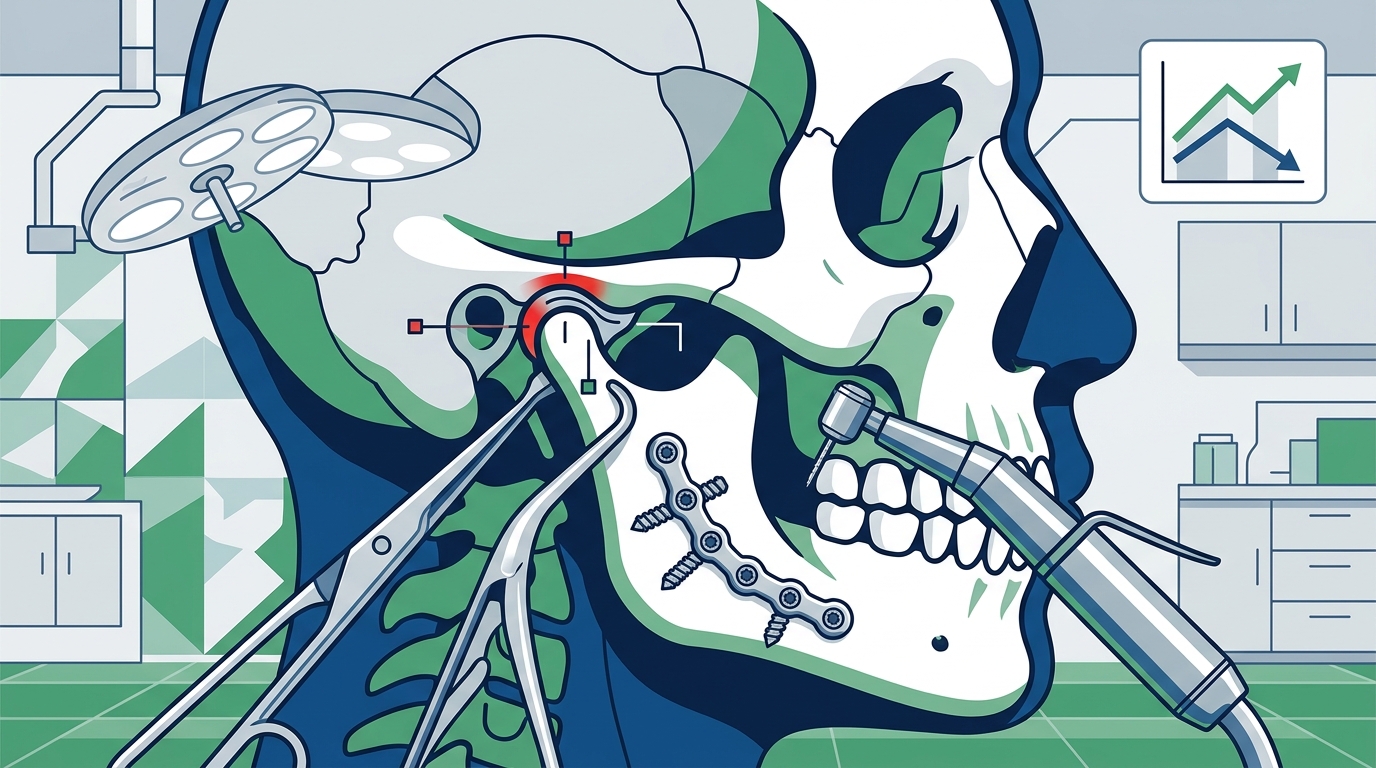
Arthrocentesis and Arthroscopy
These minimally invasive procedures are often the first surgical step. Arthrocentesis involves flushing the joint with saline to remove inflammatory mediators and debris. Arthroscopy uses a small camera and instruments inserted through tiny incisions to visualize and treat the joint interior. These procedures offer quick recovery times and are effective for disc repositioning and adhesiolysis.
Open Joint Surgery
For more complex cases, open joint surgery may be required. This approach allows direct access to the joint for repair, disc repositioning, or removal of bony growths. While more invasive, it provides comprehensive treatment for severe structural damage.
Orthognathic Surgery
Orthognathic surgery involves repositioning the jawbones to correct skeletal discrepancies. This is the definitive treatment for TMJ disorders caused by malocclusion. By aligning the jaws correctly, the joint is placed in a stable, neutral position, reducing long-term wear and tear.
Recovery Timeline & Outcomes
Recovery from TMJ surgery varies based on the procedure performed. Minimally invasive procedures like arthrocentesis typically require only a few days of rest. Orthognathic surgery involves a more extended recovery period, including a 2-4 week initial healing phase and several months for full bone consolidation.
Pain management is a critical component of the recovery process. Dr. Choi employs techniques such as Exparel Extended Pain Relief to minimize postoperative discomfort. This localized anesthetic provides pain relief for up to 72 hours, reducing the need for opioid medications.
Long-term outcomes for TMJ surgery are generally positive. Studies show that a majority of patients experience significant pain reduction and improved function. Clinical reviews confirm that surgical intervention is highly effective for patients who have not responded to conservative care.
Key Takeaways
- Pain Reduction: Surgery corrects skeletal misalignments that cause chronic TMJ pain and headaches.
- Functional Restoration: Proper bite alignment improves chewing efficiency and reduces tooth wear.
- Minimally Invasive Options: Procedures like arthrocentesis offer quick recovery for early-stage TMJ issues.
- Expert Care: Dr. Choi’s fellowship training in minimally invasive surgery ensures precise, low-trauma interventions.
- Advanced Technology: Use of CT guided Implant Placement and virtual planning enhances surgical accuracy.
- Pain Management: Techniques like Exparel reduce postoperative pain and opioid reliance.
- Long-Term Stability: Orthognathic surgery provides durable solutions for severe TMJ disorders.
Frequently Asked Questions
Is jaw surgery the only treatment for TMJ disorders?
No, jaw surgery is typically considered after conservative treatments like physical therapy, splints, and medication have failed. It is reserved for cases with clear skeletal causes.
How long does recovery take after TMJ surgery?
Recovery varies. Minimally invasive procedures may require only a few days, while orthognathic surgery involves 2-4 weeks of initial healing and several months for full recovery.
Does jaw surgery cure TMJ disorders?
Surgery addresses the underlying structural causes, providing significant pain relief and functional improvement. While it may not "cure" all aspects of TMJ, it offers a definitive solution for many patients.
What is the role of Dr. Choi in TMJ treatment?
Dr. Choi is a board-certified Oral & Maxillofacial Surgeon with specialized fellowship training. He evaluates complex cases and performs both minimally invasive and orthognathic surgeries.
Are there risks associated with TMJ surgery?
Like all surgeries, there are risks such as infection, nerve injury, or relapse. However, Dr. Choi’s use of advanced technology and minimally invasive techniques helps minimize these risks.
How is pain managed after surgery?
Pain management includes localized anesthetics like Exparel, prescription medications, and cold therapy. Dr. Choi provides detailed postoperative instructions to ensure comfort.
Can TMJ surgery improve breathing?
Yes, correcting jaw position can improve airway patency, which is beneficial for patients with sleep apnea or breathing difficulties related to jaw structure.
Schedule Your Consultation
If you are suffering from chronic TMJ pain, do not wait for the condition to worsen. Early intervention can prevent further joint damage and improve your quality of life. Dr. James Choi and the team at Park Avenue Oral, Maxillofacial & Implant Surgery are dedicated to providing compassionate, evidence-based care.
Contact us today to schedule your consultation. Visit our Contact Page to learn more about our services and how we can help you achieve lasting relief.