
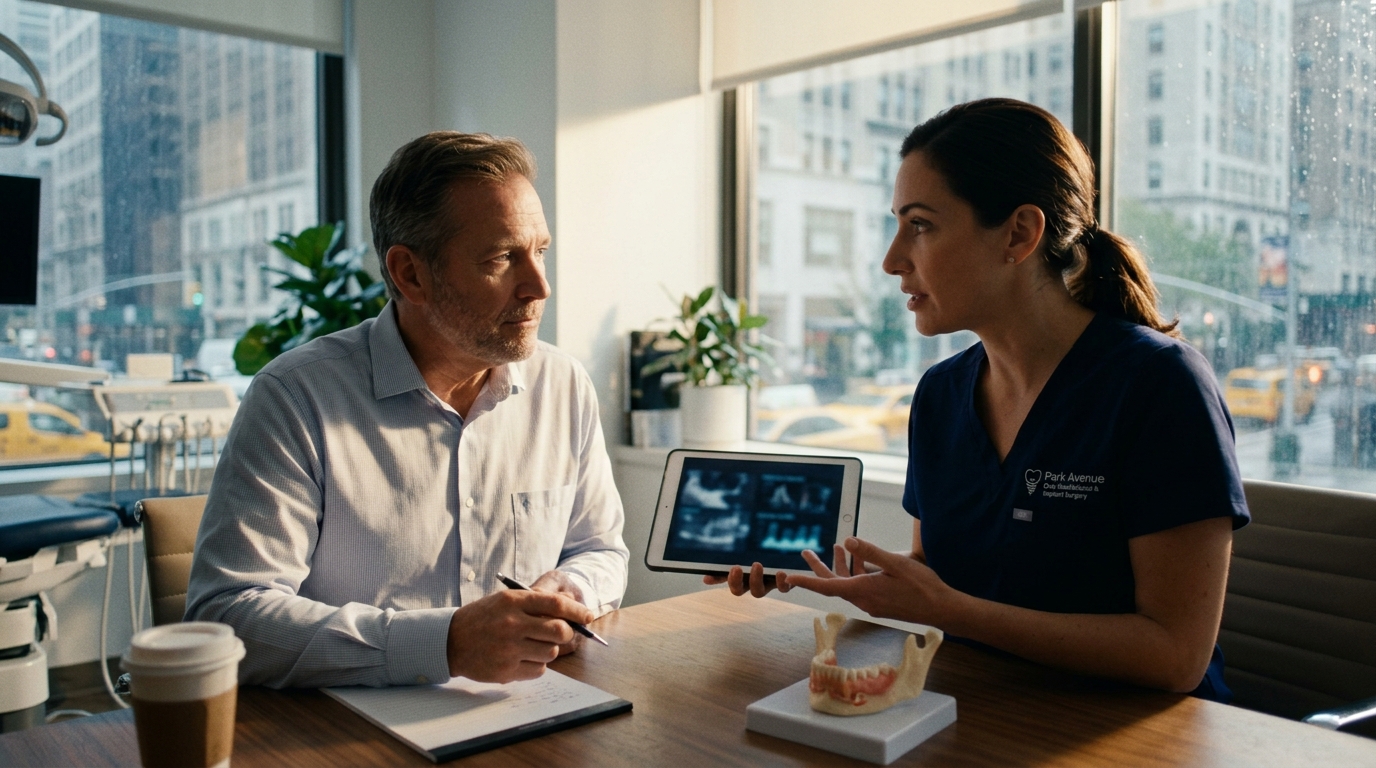
Dental implants are widely considered the gold standard for tooth replacement, offering a permanent solution that restores both function and aesthetics. However, like any surgical procedure, they carry inherent risks that patients must understand before proceeding. According to the American Association of Oral and Maxillofacial Surgeons, while implant success rates exceed 95%, complications such as infection, nerve damage, or implant failure can occur if proper protocols are not followed. Understanding these potential outcomes allows patients to make informed decisions and take proactive steps to ensure a smooth recovery. (Accessibility Statement Park Avenue)
Common Surgical Complications
Every surgical intervention involves some degree of risk, and dental implant placement is no exception. The most immediate concerns typically revolve around the surgical site itself. Bleeding, swelling, and bruising are normal physiological responses to the trauma of inserting a titanium post into the jawbone. However, excessive bleeding or prolonged swelling may indicate a complication that requires immediate professional attention. (Oral Surgeon NYC l)
Another frequent concern is the risk of the implant failing to integrate properly with the surrounding bone. This process, known as osseointegration, is critical for the long-term stability of the implant. If the bone does not fuse correctly with the titanium fixture, the implant may become loose or fall out entirely. This risk is higher in patients with compromised bone density or those who smoke heavily. (Oral Surgeon NYC l)
Patients should also be aware of the potential for sinus issues, particularly when implants are placed in the upper jaw. The sinus cavities are located just above the upper teeth, and improper placement can lead to sinus perforation or chronic sinusitis. This is why precise planning and advanced imaging are essential before any surgical procedure begins. (MEET DR CHOI Park)
Infection and Healing Issues
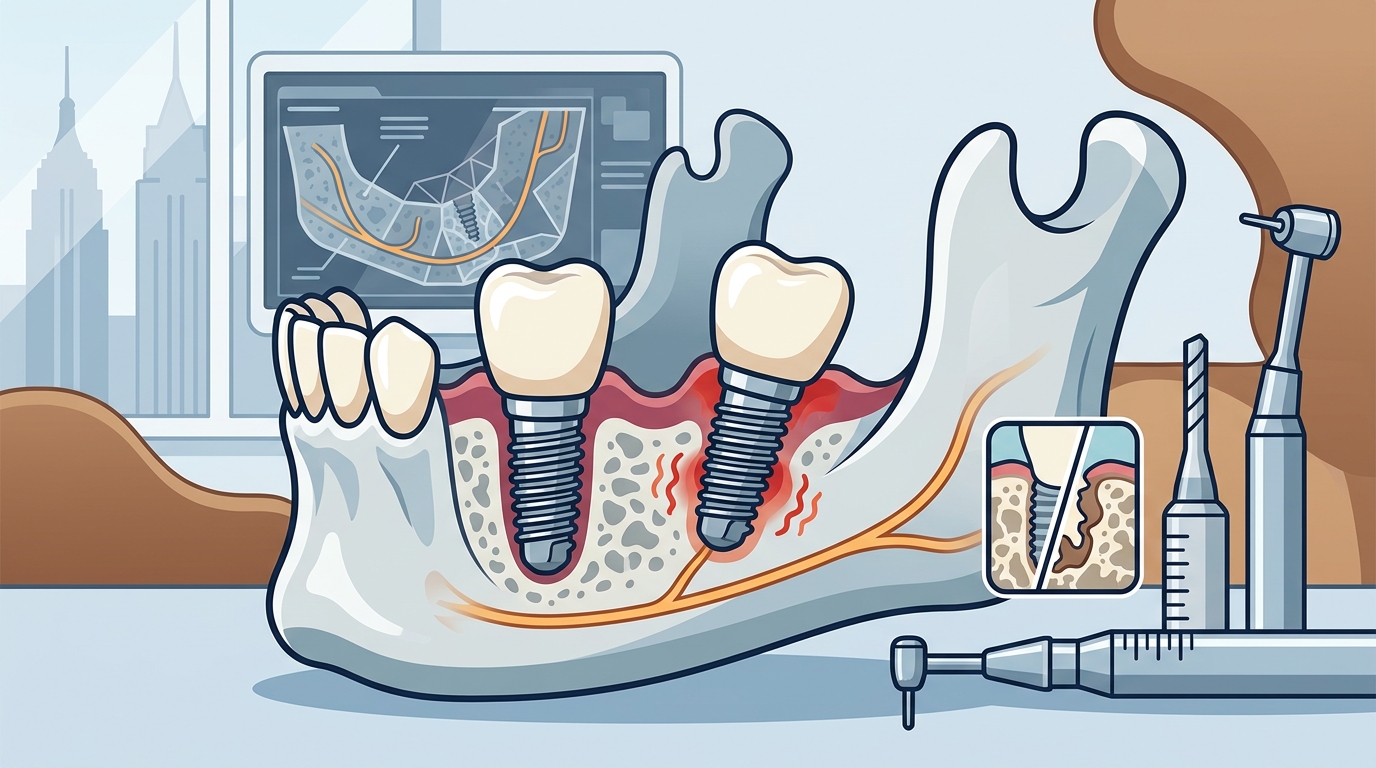
Infection is one of the most significant risks associated with any surgical procedure, including dental implants. Bacteria can enter the surgical site during the operation or through poor oral hygiene during the healing phase. Signs of infection include persistent pain, increased swelling, pus discharge, and fever. If left untreated, an infection can lead to peri-implantitis, a condition that destroys the bone and soft tissue supporting the implant. (IMPLANT SURGERY Park Avenue)
Healing times vary from patient to patient, but the initial recovery period typically lasts a few days to a week. During this time, patients must adhere strictly to post-operative instructions provided by their oral surgeon. This includes taking prescribed antibiotics, using ice packs to reduce swelling, and consuming a soft diet to avoid disturbing the surgical site.
Smoking significantly impairs the healing process by reducing blood flow to the gums and jawbone. According to the National Institute of Dental and Craniofacial Research, smokers are up to twice as likely to experience implant failure compared to non-smokers. Therefore, quitting smoking before and after surgery is one of the most effective ways to minimize risks and promote successful healing.
Nerve and Tissue Damage
The lower jaw contains a major nerve called the inferior alveolar nerve, which provides sensation to the lower lip, chin, and gums. During the placement of lower jaw implants, there is a small risk of damaging this nerve. Nerve damage can result in temporary or permanent numbness, tingling, or pain in these areas. While rare, this complication can significantly impact a patient's quality of life.
To mitigate this risk, oral surgeons use advanced imaging technologies such as Cone Beam Computed Tomography (CBCT) scans. These 3D images allow the surgeon to visualize the exact location of nerves and blood vessels, ensuring that implants are placed in safe zones. Dr. Choi at Park Avenue Oral, Maxillofacial & Implant Surgery utilizes CT-guided implant placement to enhance precision and safety.
Tissue damage is another potential risk, particularly if the implant is placed too close to adjacent teeth. This can lead to gum recession, bone loss, or damage to the roots of neighboring teeth. Proper spacing and alignment are crucial to prevent these issues and ensure a natural-looking result.
Factors Leading to Implant Failure
While dental implants are highly durable, they are not immune to failure. Several factors can contribute to the long-term failure of an implant. One of the primary causes is poor bone quality or quantity. If the jawbone is too thin or soft, the implant may not have enough support to withstand the forces of chewing. In such cases, bone grafting may be required to build up the bone structure before implant placement.
Systemic health conditions also play a significant role in implant success. Diseases such as diabetes, osteoporosis, and autoimmune disorders can impair healing and increase the risk of infection. Patients with these conditions must work closely with their oral surgeon to manage their health and optimize their chances of success.
Additionally, poor oral hygiene after the procedure can lead to implant failure. Just like natural teeth, implants can develop gum disease if not cared for properly. Regular brushing, flossing, and dental check-ups are essential to maintain the health of the implant and surrounding tissues.
Minimizing Risks with Advanced Technology
At Park Avenue Oral, Maxillofacial & Implant Surgery, Dr. Choi employs a range of advanced technologies to minimize risks and enhance patient outcomes. Virtual Surgical Planning allows for precise pre-operative simulation, ensuring that implants are placed in the optimal position. This technology reduces the likelihood of nerve damage and sinus complications.
The use of the Medtronic Piezoelectric Saw is another key factor in reducing surgical trauma. This device uses ultrasonic vibrations to cut bone with extreme precision, minimizing damage to surrounding soft tissues and nerves. It also promotes faster healing and reduces post-operative pain.
Furthermore, the clinic utilizes Exparel Extended Pain Relief, a local anesthetic that provides prolonged pain management after surgery. This helps patients recover more comfortably and reduces the need for strong pain medications. The Stryker Sonopet is also used for precise bone removal, further enhancing the safety and efficacy of the procedure.
| Risk Factor | Potential Consequence | Mitigation Strategy |
|---|---|---|
| Nerve Damage | Numbness or tingling in lips/chin | CT-guided implant placement |
| Infection | Peri-implantitis, implant loss | Antibiotics and strict hygiene protocols |
| Sinus Perforation | Sinusitis, chronic discomfort | Virtual Surgical Planning |
| Implant Failure | Loosening or loss of implant | Bone grafting and health management |
Key Takeaways
- Dental implant success rates are high, exceeding 95% when proper protocols are followed.
- Infection is a significant risk that can be mitigated through antibiotics and oral hygiene.
- Smoking significantly increases the risk of implant failure and should be avoided.
- Bone grafting may be necessary for patients with insufficient jawbone density.
- Advanced technologies like Virtual Surgical Planning enhance precision and safety.
- Dr. Choi's fellowship training in minimally invasive surgery ensures optimal outcomes.
Frequently Asked Questions
How long does it take for dental implants to heal?
Healing times vary, but the initial recovery period typically lasts a few days to a week. Full osseointegration can take three to six months.
Are dental implants safe for people with diabetes?
Yes, but blood sugar levels must be well-controlled to minimize the risk of infection and promote proper healing.
What is the success rate of dental implants?
The success rate is generally over 95%, depending on the patient's health and the skill of the surgeon.
Can dental implants fail?
Yes, implants can fail due to infection, poor bone quality, or trauma. Regular check-ups help monitor implant health.
How does smoking affect dental implants?
Smoking reduces blood flow to the gums, increasing the risk of infection and implant failure. Quitting is highly recommended.
What technology does Park Avenue Oral Surgery use?
The clinic uses Virtual Surgical Planning, CT-guided implant placement, and the Medtronic Piezoelectric Saw for precision and safety.
Is bone grafting necessary for all implants?
No, bone grafting is only necessary if the patient has insufficient jawbone density to support the implant.
Schedule Your Consultation
Understanding the risks of dental implant surgery is the first step toward a successful outcome. By choosing a board-certified oral surgeon with advanced training and technology, you can minimize these risks and achieve a healthy, confident smile. Dr. James Choi at Park Avenue Oral, Maxillofacial & Implant Surgery is dedicated to providing compassionate, evidence-based care tailored to your unique needs.
Ready to learn more about dental implants? Contact Park Avenue Oral Surgery today to schedule your consultation and take the first step toward restoring your smile.