
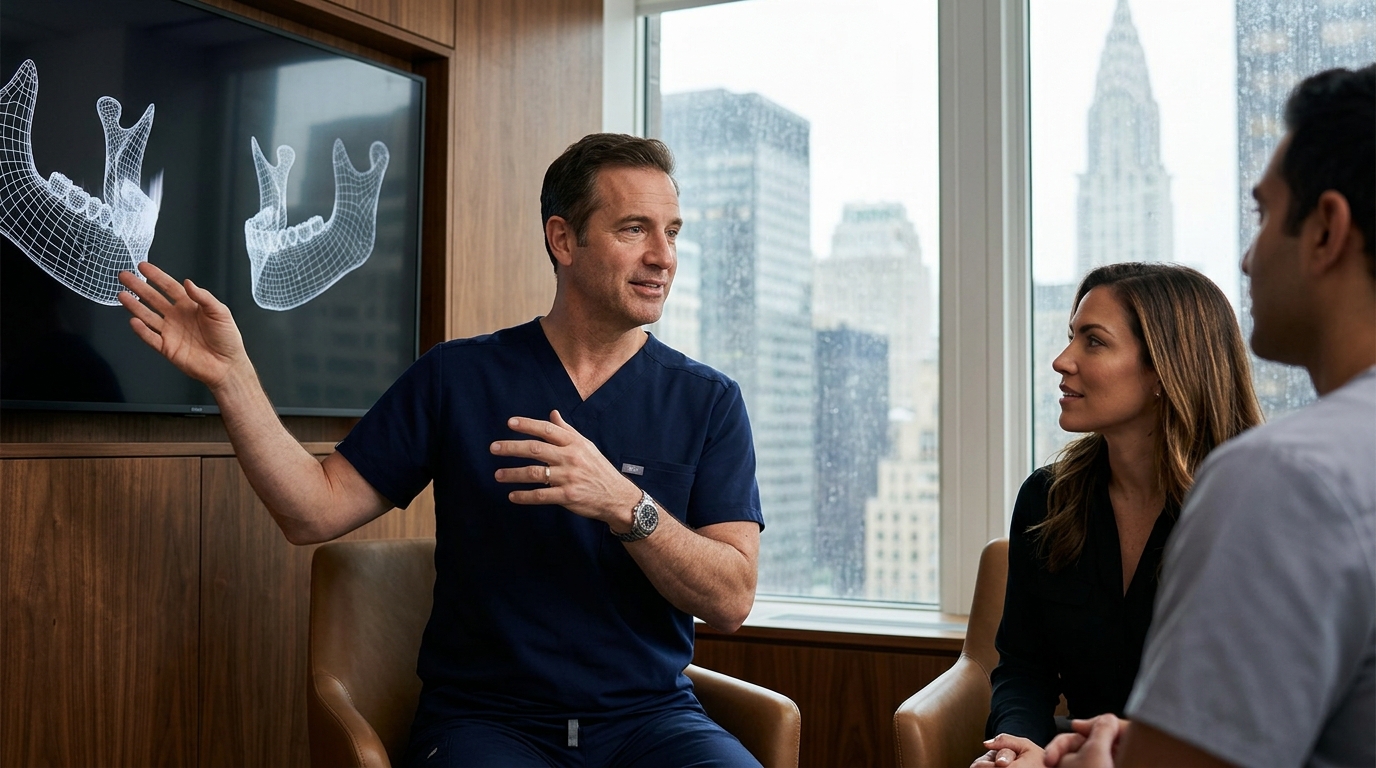
Selecting the right oral surgeon in New York City is a high-stakes decision that directly impacts your long-term health, facial aesthetics, and quality of life. With thousands of practitioners in the metro area, distinguishing between a standard dentist and a true specialist requires rigorous evaluation. Board certification and fellowship training are the non-negotiable baseline for any surgeon handling complex maxillofacial procedures. This guide outlines the seven essential criteria you must verify before booking a consultation. (Accessibility Statement Park Avenue)
1. Verify Board Certification and Fellowship Status
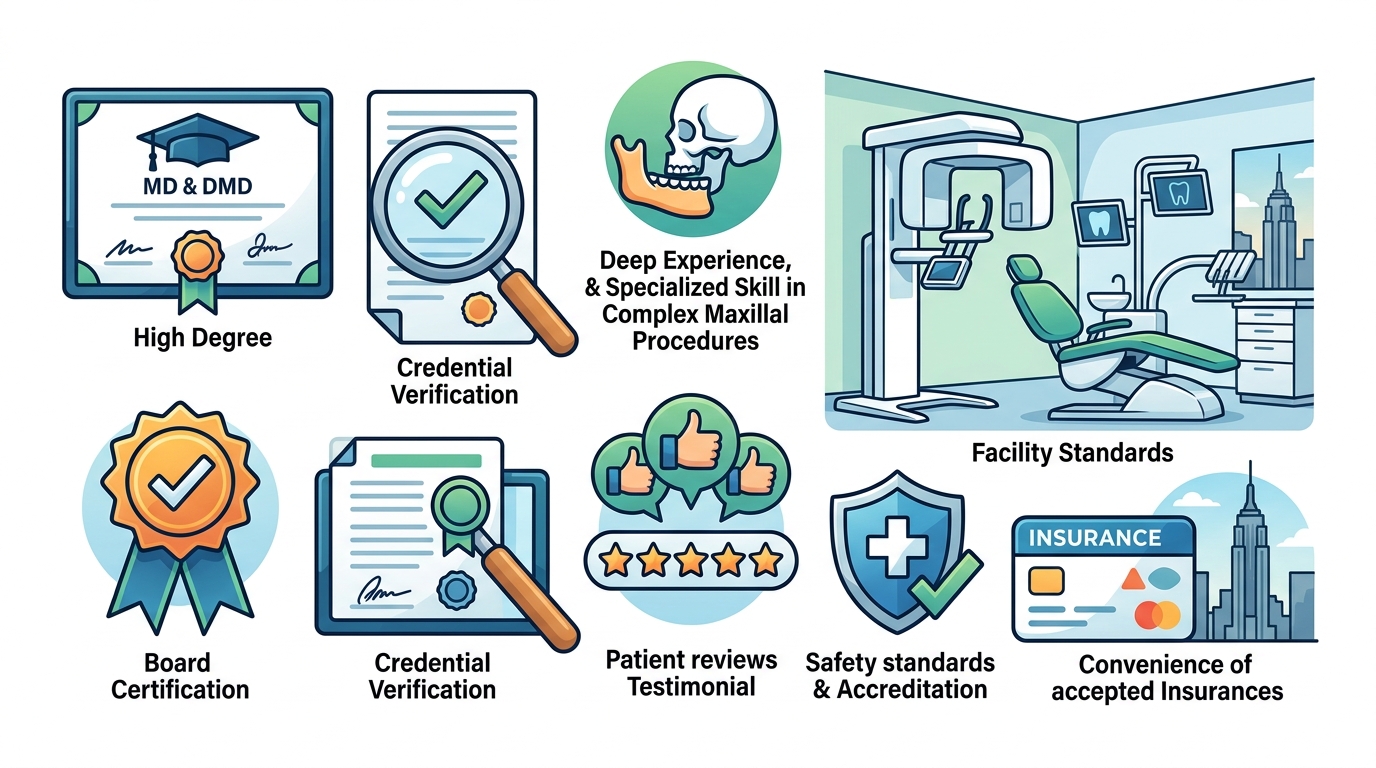
The first step in your selection process is verifying the surgeon's credentials. In the field of dentistry and surgery, titles can be misleading. You must look for specific designations that indicate advanced training beyond dental school.
Oral & Maxillofacial Surgery is a recognized surgical specialty requiring a four-year hospital-based residency program. However, not all surgeons who perform extractions are board-certified specialists. The gold standard is the Fellowship of the American College of Surgeons (FACS). This designation is rigorous and is only awarded to surgeons who have demonstrated experience in complex cases and passed strict ethical and clinical standards vetted by peers.
Dr. James Choi, for instance, is one of the youngest Oral & Maxillofacial Surgeons in New York City to be inducted as a Fellow of the American College of Surgeons. This distinction signals that the surgeon has led by example in their field and meets the highest standards of surgical excellence. When researching candidates, always ask if they hold dual degrees (MD and DMD) or specific fellowship training in minimally invasive surgery.
2. Prioritize Minimally Invasive Techniques
Modern oral surgery has shifted dramatically toward minimally invasive approaches. The goal is to achieve optimal clinical outcomes while minimizing tissue trauma, pain, and recovery time. This philosophy is critical for both simple extractions and complex jaw surgeries.
Minimally invasive surgery is defined as a surgical approach that uses small incisions and specialized instruments to reduce damage to surrounding healthy tissue. This technique directly correlates with faster recovery times and reduced postoperative discomfort. When evaluating a surgeon, ask about their specific protocols for pain management and tissue preservation. A surgeon who prioritizes minimally invasive methods will typically report significantly lower narcotic usage and shorter healing periods for their patients.
3. Evaluate Advanced Surgical Technology
The difference between a good surgeon and a great one often lies in the technology they utilize. Advanced tools allow for greater precision, predictability, and safety during procedures. You should inquire about the specific technologies a surgeon uses for planning and execution.
Virtual Surgical Planning (VSP) is a critical tool for complex jaw surgeries. It allows the surgical team to create a 3D model of your jaw and simulate the surgery on a computer before it happens. This "measure twice, cut once" approach ensures that the final result matches the pre-operative plan with high accuracy. Additionally, CT-guided implant placement ensures that dental implants are positioned with millimeter precision, avoiding vital nerves and sinuses.
Other advanced technologies include the Medtronic Piezoelectric Saw, which uses ultrasonic vibrations to cut bone with extreme precision while sparing soft tissue, and Exparel Extended Pain Relief, a local anesthetic that provides prolonged pain control after surgery. A surgeon who invests in these technologies is committed to evidence-based, high-quality care.
4. Assess Anesthesia Safety and Comfort
Anesthesia safety is a paramount concern for any surgical procedure. In New York City, top-tier oral surgery practices offer a range of anesthesia options tailored to the patient's needs and the complexity of the procedure. This includes IV sedation, nitrous oxide, and local anesthesia.
Safe and comfortable anesthesia is not just about putting the patient to sleep; it is about maintaining physiological stability throughout the surgery. The best practices in NYC adhere to strict safety protocols and employ board-certified anesthesiologists or specially trained surgical teams. When choosing a surgeon, verify their anesthesia credentials and ask about their emergency preparedness. A practice that prioritizes safe anesthesia will have clear protocols for monitoring vital signs and managing any potential complications.
5. Review Experience with Complex Cases
Oral and maxillofacial surgery encompasses a wide range of procedures, from wisdom tooth removal to craniofacial reconstruction. It is essential to choose a surgeon who has specific experience with your particular condition. For example, a surgeon who specializes in dental implants may not be the best choice for complex jaw realignment surgery.
Dr. Choi's practice highlights expertise in advanced oral surgery and implants, jaw and chin surgery, TMJ disorders, and minimally invasive facial cosmetic procedures. This breadth of expertise is crucial because it indicates a surgeon who is comfortable handling a variety of complex scenarios. When reviewing a surgeon's portfolio, look for before-and-after photos of cases similar to yours. Ask about their success rates and how they handle complications. A surgeon who is transparent about their experience and outcomes is more likely to provide reliable care.
6. Examine Patient-Centered Care Philosophy
Beyond technical skills, the surgeon's approach to patient care is equally important. The best oral surgeons in NYC prioritize compassion, communication, and individualized treatment plans. They understand that surgery can be anxiety-inducing and work to create a supportive environment.
A patient-centered care philosophy means that the surgeon listens to your concerns, explains your options clearly, and involves you in the decision-making process. They should provide detailed pre-operative and post-operative instructions to ensure a smooth recovery. Reading patient testimonials can provide insight into the surgeon's bedside manner and the overall patient experience. Look for reviews that mention the surgeon's empathy, clarity, and attention to detail.
7. What to Expect During Your Consultation
Your initial consultation is your opportunity to evaluate the surgeon and the practice. It is a two-way street where you assess their expertise, and they assess your needs. A thorough consultation should include a comprehensive examination, review of your medical history, and discussion of your goals.
During this meeting, you should receive a clear explanation of your diagnosis, the proposed treatment plan, and the expected outcomes. Ask questions about the surgical process, recovery time, and potential risks. A reputable surgeon will answer your questions honestly and without pressure. They should also provide detailed information about financial options and insurance coverage. If you feel rushed or unheard, it may be a sign to seek a second opinion.
Comparison of Surgical Approaches
| Procedure Type | Traditional Approach | Minimally Invasive Approach | Key Benefit |
|---|---|---|---|
| Wisdom Teeth Removal | Large incisions, extensive tissue manipulation | Precise extraction with minimal bone removal | Reduced swelling and faster healing |
| Jaw Surgery | Open planning, manual adjustment | Virtual Surgical Planning (VSP) simulation | Predictable aesthetic and functional outcomes |
| Dental Implants | Freehand placement | CT-guided stereotactic placement | Enhanced safety and implant longevity |
| Pain Management | Systemic opioids | Exparel extended-release local anesthetic | Minimal narcotic use and less post-op pain |
Key Takeaways
- Board Certification is Essential: Look for FACS designation and dual MD/DMD degrees to ensure advanced surgical training.
- Minimally Invasive is Standard: Top surgeons use techniques that reduce surgery time by over 20% and recovery time by 33%.
- Technology Matters: Virtual Surgical Planning and CT-guided placement are critical for precision in complex cases.
- Anesthesia Safety: Verify the practice's anesthesia protocols and emergency preparedness for your comfort and safety.
- Specialized Expertise: Ensure the surgeon has specific experience with your condition, whether it is TMJ, jaw surgery, or implants.
- Patient-Centered Care: Choose a surgeon who communicates clearly and prioritizes your individual needs and concerns.
- Thorough Consultation: Use the initial visit to assess the surgeon's expertise, bedside manner, and transparency.
Frequently Asked Questions
What is the difference between a dentist and an oral surgeon?
A dentist provides general dental care, while an oral surgeon is a specialist who has completed additional years of hospital-based surgical residency training. Oral surgeons are qualified to perform complex extractions, jaw surgery, and implant placement.
How do I know if I need a board-certified oral surgeon?
For any surgical procedure, especially complex ones like jaw realignment or full-mouth reconstruction, board certification ensures the surgeon has met rigorous standards of education, training, and ethical practice.
What is Virtual Surgical Planning (VSP)?
Virtual Surgical Planning is a digital process where a 3D model of your jaw is created from CT scans. The surgeon simulates the surgery on a computer to plan the exact movements and outcomes before the actual procedure begins.
Is IV sedation safe for oral surgery?
Yes, when administered by trained professionals in a well-equipped facility. Top NYC practices use advanced monitoring and have strict safety protocols to ensure patient comfort and physiological stability during IV sedation.
How long is the recovery time for wisdom teeth removal?
Recovery varies by individual and the complexity of the extraction. However, minimally invasive techniques can reduce recovery time by up to 33% compared to traditional methods, with most patients returning to normal activities within a few days.
What should I ask during my consultation?
Ask about the surgeon's experience with your specific condition, the technology they use, anesthesia options, recovery expectations, and the total cost of the procedure including any potential additional fees.
Does insurance cover oral surgery?
Many oral surgery procedures are partially covered by dental or medical insurance. It is important to verify coverage details with your provider and the surgeon's office before starting treatment.
Ready to Take the Next Step?
Selecting the right oral surgeon is a critical decision that requires careful consideration of credentials, technology, and patient care. At Park Avenue Oral, Maxillofacial & Implant Surgery, we are committed to providing compassionate, evidence-based, and patient-centered care. Our team, led by Dr. James Choi, utilizes the latest minimally invasive techniques and advanced technology to ensure optimal outcomes for every patient.
If you are in New York City and seeking expert oral surgery, jaw surgery, or implant services, we invite you to schedule a consultation. Experience the Park Avenue Difference and discover why we are ranked among the top surgeons in the region. Contact us today to begin your journey toward better health and confidence.