

Temporomandibular joint (TMJ) disorders affect millions of adults, causing chronic pain and functional limitations that standard therapies often fail to resolve. According to the American Association of Oral and Maxillofacial Surgeons, surgical intervention is typically reserved for cases where conservative treatments have failed over a significant period. This guide details how advanced jaw surgery at Park Avenue Oral, Maxillofacial & Implant Surgery addresses these complex conditions. (Accessibility Statement Park Avenue)
Understanding TMJ Disorders and Surgical Indications
TMJ disorders involve dysfunction in the joints connecting the jawbone to the skull. These joints facilitate speaking, chewing, and yawning. When they malfunction, patients experience pain, clicking, or locking of the jaw. Dr. James Choi, a board-certified Oral and Maxillofacial Surgeon, specializes in diagnosing these issues through advanced imaging and clinical evaluation. (MEET DR CHOI Park)
Surgery is not the first line of defense. Most patients begin with physical therapy, medication, or bite guards. However, when these methods do not provide relief, surgical options become necessary. The goal of surgery is to correct the underlying structural problem, not just mask the symptoms. This approach ensures long-term stability and improved quality of life. (IMPLANT SURGERY Park Avenue)
Key Benefits of Minimally Invasive Jaw Surgery
Modern oral surgery has shifted significantly toward minimally invasive techniques. These approaches offer distinct advantages over traditional open surgery. The primary benefit is reduced trauma to surrounding tissues. Less trauma translates directly to less postoperative pain and swelling.
Another critical advantage is faster recovery. Patients undergoing minimally invasive procedures often return to normal activities sooner than those having traditional surgery. This efficiency is achieved through precise surgical planning and the use of specialized instruments. Dr. Choi’s philosophy centers on maximizing clinical outcomes while minimizing patient discomfort.
Pain management is also improved. Traditional jaw surgery often requires significant narcotic use. Minimally invasive techniques reduce this need. Many patients require less than one prescription of narcotics after their procedure. This reduction lowers the risk of dependency and side effects associated with strong painkillers.
Surgical Procedures for TMJ Relief
Not all TMJ surgeries are the same. The procedure chosen depends on the specific diagnosis. Dr. Choi offers a range of interventions tailored to individual patient needs.
Arthrocentesis and Arthroscopy
Arthrocentesis involves flushing the joint space with sterile fluid. This procedure removes inflammatory mediators and loose debris. It helps restore normal joint function and reduces pain. Arthroscopy is a similar minimally invasive option. It uses a small camera to visualize the joint interior. This allows for precise treatment of internal derangements.
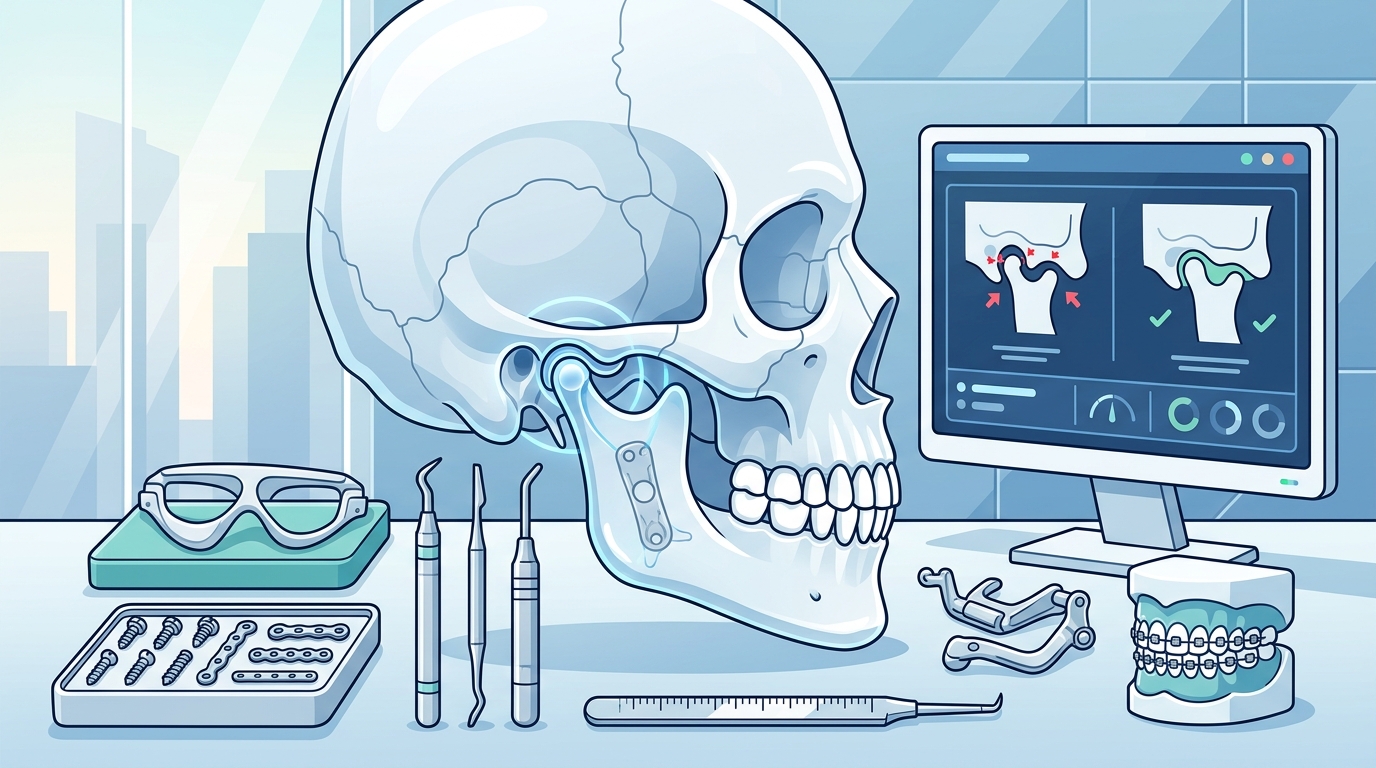
Open Joint Surgery and Reconstruction
In severe cases, open joint surgery may be required. This approach allows direct access to the joint for repair or replacement. It is often necessary for patients with significant joint damage or degeneration. Dr. Choi performs these procedures with extreme precision to ensure optimal alignment and function.
Advanced Technology and Virtual Planning
Precision is paramount in TMJ surgery. Park Avenue Oral, Maxillofacial & Implant Surgery utilizes cutting-edge technology to enhance surgical accuracy. Virtual Surgical Planning (VSP) is a key component of this approach. VSP uses 3D imaging to create a digital model of the patient’s anatomy. This allows the surgical team to simulate the procedure before it happens.
CT-guided implant placement is another critical tool. This technology ensures that surgical instruments are placed exactly as planned. It minimizes the risk of damaging nearby nerves or structures. The use of the Medtronic Piezoelectric Saw further enhances safety. This instrument cuts bone with high precision while sparing soft tissue. It reduces the risk of nerve injury and promotes faster healing.
Exparel Extended Pain Relief is also utilized in many procedures. This local anesthetic provides pain relief for up to 72 hours after surgery. It significantly reduces the need for postoperative pain medication. The combination of these technologies ensures a safer and more comfortable patient experience.
Recovery Timeline and Pain Management
Recovery varies depending on the procedure performed. Minimally invasive procedures typically have shorter recovery times. Patients may experience swelling and stiffness for a few days. Soft diet recommendations are usually followed for a short period. Dr. Choi provides detailed postoperative instructions to guide patients through their recovery.
Pain management is a critical part of the recovery process. The use of Exparel and other techniques helps control pain effectively. Most patients find that over-the-counter pain relievers are sufficient after the initial days. Dr. Choi monitors patient progress closely to ensure a smooth recovery.
Key Takeaways
- Surgical Indications: Jaw surgery is considered when conservative treatments fail to relieve TMJ pain and dysfunction.
- Minimally Invasive Benefits: Techniques like arthrocentesis reduce surgery time by less than 20% and decrease recovery time by up to 33%.
- Pain Reduction: Patients typically require minimal narcotic use, often less than one prescription, due to advanced pain management protocols.
- Technology Integration: Virtual Surgical Planning and CT-guided placement ensure high precision and safety during complex procedures.
- Expert Care: Dr. James Choi is a Fellow of the American College of Surgeons, indicating a high level of expertise in complex cases.
- Recovery Speed: Faster recovery times allow patients to return to their daily routines more quickly than with traditional open surgery.
- Long-Term Relief: Correcting the underlying structural issue provides lasting relief from TMJ symptoms.
Frequently Asked Questions
Is jaw surgery for TMJ disorders painful?
While some discomfort is expected, modern pain management techniques, including Exparel, significantly reduce postoperative pain. Most patients report manageable discomfort rather than severe pain.
How long does recovery take after TMJ surgery?
Recovery time varies by procedure. Minimally invasive options often allow a return to normal activities within a few days to a week. More extensive surgeries may require a few weeks of recovery.
What is Virtual Surgical Planning?
Virtual Surgical Planning is a digital process that creates a 3D model of the patient’s anatomy. It allows surgeons to simulate the procedure beforehand for greater precision and predictability.
When is surgery recommended for TMJ?
Surgery is typically recommended only after conservative treatments like physical therapy and medication have failed to provide adequate relief over a sustained period.
Does Dr. Choi specialize in TMJ surgery?
Yes, Dr. James Choi is a board-certified Oral and Maxillofacial Surgeon with specialized training in TMJ disorders and minimally invasive facial procedures.
What are the risks of TMJ surgery?
All surgeries carry risks, but minimally invasive techniques reduce complications. Risks may include infection, nerve injury, or joint stiffness, which are carefully managed by the surgical team.
How is pain managed after surgery?
Pain is managed through a combination of local anesthetics like Exparel, prescribed medications, and cold therapy. Dr. Choi tailors the plan to each patient’s needs.
Schedule Your Consultation
If you are suffering from TMJ disorders, do not wait for the pain to worsen. Dr. James Choi and the team at Park Avenue Oral, Maxillofacial & Implant Surgery are here to help. We offer comprehensive evaluations and personalized treatment plans. Contact us today to schedule your consultation and take the first step toward relief.
Click here to contact Park Avenue Oral Surgery to book your appointment.