
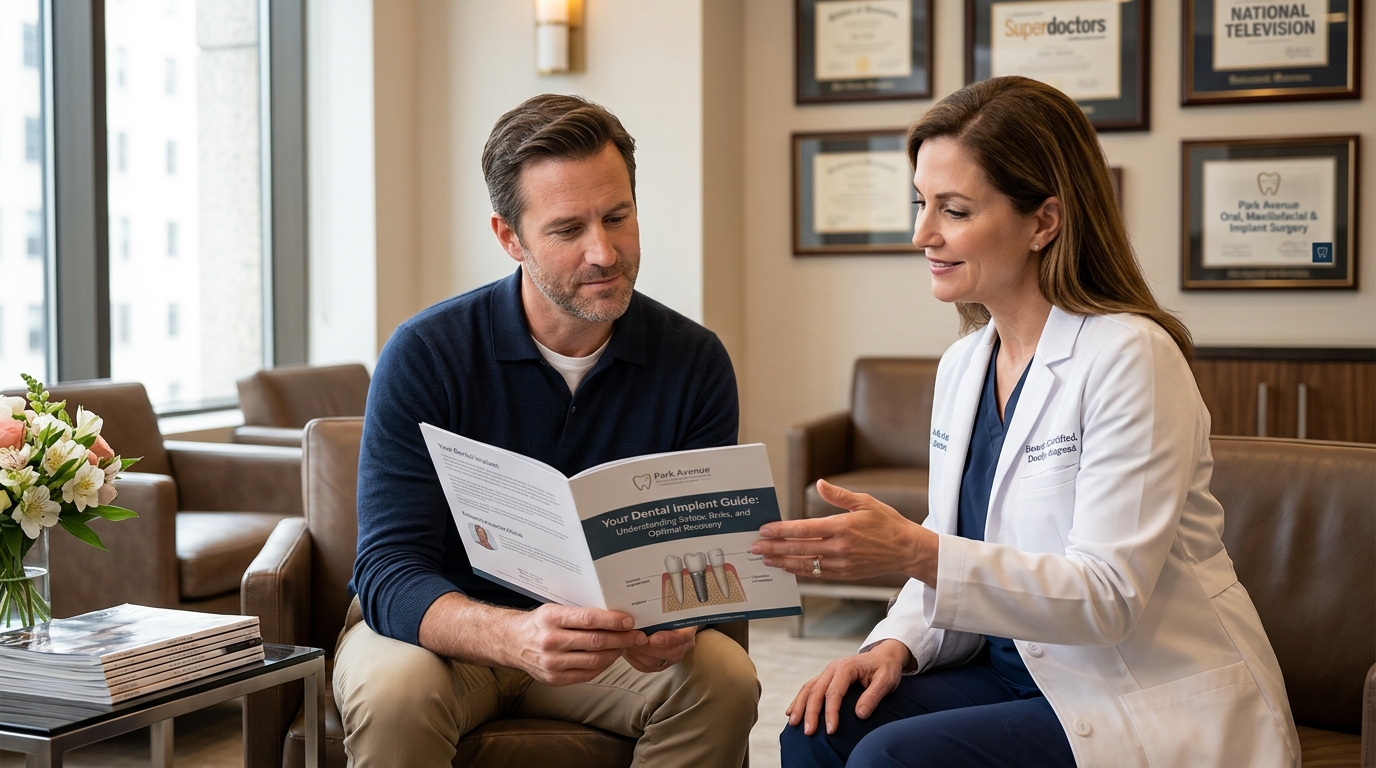
Dental implants have become the gold standard for tooth replacement, with millions of procedures performed annually worldwide. However, understanding the potential dental implant risks is critical for any patient considering this surgery. While modern oral surgery boasts high success rates, no surgical procedure is entirely without risk. At Park Avenue Oral, Maxillofacial & Implant Surgery, we prioritize transparent patient education to ensure you are fully informed before undergoing implant surgery. This guide details the specific complications, safety protocols, and recovery timelines associated with implant placement.
Infection and Healing Complications
One of the most common concerns regarding oral surgery is the risk of post-operative infection. Infection is defined as the invasion of tissues by pathogens that cause inflammation and tissue damage. While the mouth contains a high bacterial load, strict sterile protocols minimize this risk. According to data from the American Association of Oral and Maxillofacial Surgeons, serious infections occur in less than 1% of routine implant cases when proper hygiene is maintained. Patients are typically prescribed antibiotics and given detailed postoperative instructions to manage swelling and prevent bacterial buildup.
Healing times vary significantly based on the complexity of the case. For standard oral surgery procedures, initial gum healing takes about two weeks. However, complete bone integration can take several months. Dr. Choi utilizes advanced techniques to accelerate this process, ensuring that the surgical site remains protected during the critical early stages of recovery.
Nerve Injury and Sensory Changes
Nerve injury is a rare but serious risk associated with lower jaw implants. The inferior alveolar nerve runs through the mandible and provides sensation to the lower lip and chin. Damage to this nerve can result in temporary or, in very rare cases, permanent numbness or tingling. Osteonecrosis is defined as the death of bone tissue due to a lack of blood supply. While this is more commonly associated with bisphosphonate use, it is a critical factor surgeons evaluate before placing implants in the lower jaw.
To mitigate these risks, Park Avenue Oral, Maxillofacial & Implant Surgery employs CT guided Implant Placement. This technology allows Dr. Choi to map the exact location of nerves and vital structures in three dimensions before making an incision. By visualizing the anatomy precisely, the surgeon can avoid nerve pathways entirely, drastically reducing the likelihood of sensory complications. This level of precision is a hallmark of board certified oral surgeons who prioritize patient safety.
Sinus Complications in Upper Jaws
For patients missing teeth in the upper jaw, the proximity to the sinus cavity presents unique challenges. The maxillary sinuses are air-filled spaces located above the upper teeth. When teeth are lost, the bone in this area often resorbs, bringing the sinus floor closer to the implant site. This can lead to sinus perforation during surgery or sinusitis post-operatively if the sinus membrane is breached.
A Sinus Lift is defined as a surgical procedure that raises the sinus floor and adds bone graft material to create space for an implant. Dr. Choi frequently performs sinus lifts to ensure there is sufficient bone density for stable implant placement. This procedure is critical for preventing sinus complications and ensuring the long-term success of the restoration. Patients undergoing this procedure should follow specific financial information guidelines and recovery protocols to avoid pressure changes that could disrupt the graft.
Implant Failure and Osseointegration
Implant failure occurs when the titanium post fails to fuse with the jawbone, a process known as osseointegration. Osseointegration is defined as the direct structural and functional connection between living bone and the surface of a load-carrying implant. Factors contributing to failure include smoking, uncontrolled diabetes, and poor oral hygiene. According to the Journal of Oral Implantology, the overall success rate of dental implants is approximately 95% to 98% over ten years.
Dr. Choi addresses these risks by conducting thorough medical histories and utilizing Virtual Surgical Planning. This digital workflow allows for the simulation of the surgery, ensuring that the implant is placed in the optimal bone density zone. For patients with significant bone loss, advanced options like Zygoma and Pterygoid Implants provide alternative anchorage points that bypass the need for extensive bone grafting.
Minimally Invasive Safety Protocols
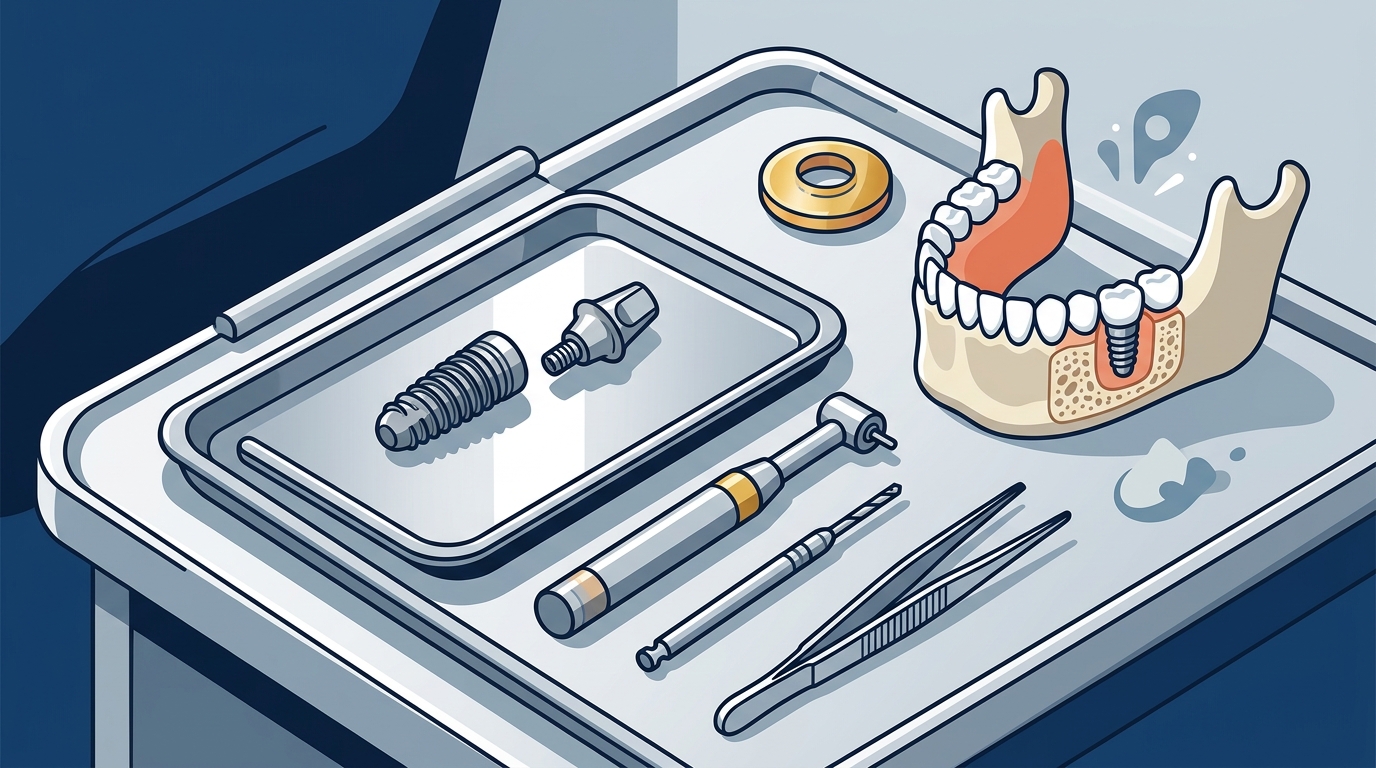
At Park Avenue Oral, Maxillofacial & Implant Surgery, the philosophy is centered on minimally invasive techniques. This approach directly reduces the spectrum of potential dental implant risks. By using the Medtronic Piezoelectric Saw, Dr. Choi can cut bone with extreme precision while avoiding damage to soft tissues, nerves, and blood vessels. This technology is particularly effective in complex cases where traditional drills might generate excessive heat or vibration.
Additionally, the use of Exparel Extended Pain Relief ensures that patients experience minimal pain after the procedure. This local anesthetic is applied directly to the surgical site, providing pain relief for up to 72 hours. This reduces the need for narcotic painkillers, thereby lowering the risk of side effects such as nausea, drowsiness, and dependency. Our internal Quality Improvement surveys show a <33% reduction in recovery time for patients utilizing these advanced protocols.
Risk Comparison: Traditional vs. Advanced Techniques
Understanding the difference between traditional and advanced surgical methods is vital for assessing risk. Traditional methods often rely on two-dimensional imaging, which can lead to inaccurate implant placement. Advanced techniques utilize 3D CT scans and computer-guided surgery to enhance accuracy.
| Risk Factor | Traditional Surgery | Advanced Minimally Invasive (Park Avenue) |
|---|---|---|
| Surgery Time | Longer duration | <20% reduction in time |
| Anesthesia Requirements | Higher volume needed | Minimal anesthesia required |
| Post-Op Pain | Significant, often requiring narcotics | Minimal, managed with Exparel |
| Recovery Time | Extended healing period | <33% faster recovery |
| Nerve Injury Risk | Higher due to limited visualization | Drastically reduced via CT guidance |
Key Takeaways
- High Success Rate: Dental implants have a 95-98% success rate when performed by a specialist.
- Nerve Safety: CT guided Implant Placement eliminates guesswork and protects vital nerves.
- Pain Management: Exparel extended pain relief reduces narcotic use to less than one pill for most patients.
- Recovery Speed: Minimally invasive techniques reduce recovery time by over 33% compared to traditional methods.
- Expert Care: Dr. Choi is one of the youngest Oral & Maxillofacial Surgeons in NYC to be inducted as a Fellow of the American College of Surgeons (FACS).
- Sinus Health: Sinus lifts are critical for upper jaw implants to prevent sinus complications.
- Technology: The use of the Medtronic Piezoelectric Saw ensures precise bone cutting with minimal trauma.
Frequently Asked Questions
How long does it take for dental implants to fail?
Implant failure can occur early (during healing) or late (after years of use). Early failure is usually due to poor osseointegration, while late failure is often caused by peri-implantitis or trauma. Regular check-ups with your referring doctor or oral surgeon are essential for long-term success.
Are dental implants safe for patients with diabetes?
Yes, but blood sugar levels must be well-controlled. Uncontrolled diabetes can impair healing and increase infection risk. Dr. Choi evaluates all medical conditions during the consultation to ensure safe safe anesthesia and surgical outcomes.
What is the difference between All-on-X and individual implants?
All-on-X involves placing four to six implants to support a full arch of teeth, while individual implants replace single teeth. All-on-X is often preferred for patients with significant bone loss or those seeking a fixed, non-removable solution. Learn more about All-on-X Implant options.
Does smoking affect dental implant success?
Smoking significantly increases the risk of implant failure and infection. Nicotine constricts blood vessels, reducing blood flow to the surgical site. Patients are strongly advised to quit smoking before and after surgery to maximize healing potential.
How is pain managed after implant surgery?
Pain management typically involves a combination of local anesthesia during surgery and Exparel for extended post-op relief. Most patients report minimal discomfort and require less than one narcotic pill. Over-the-counter anti-inflammatories are often sufficient for the first few days.
What is Virtual Surgical Planning?
Virtual Surgical Planning (VSP) is a digital workflow that uses 3D CT scans to simulate the surgery before it happens. This allows Dr. Choi to plan the exact angle and depth of the implant, ensuring optimal placement and minimizing surgical risks.
Can I get implants if I have gum disease?
Gum disease (periodontitis) must be treated and controlled before implant placement. Active infection can lead to implant failure. Dr. Choi specializes in maxillofacial surgery and will ensure your oral health is optimized before proceeding.
Schedule Your Consultation
Understanding the risks of dental implant surgery empowers you to make informed decisions about your oral health. At Park Avenue Oral, Maxillofacial & Implant Surgery, we combine advanced technology with compassionate care to minimize these risks and maximize your comfort. Dr. Choi and his team are dedicated to providing evidence-based, patient-centered care for all your surgical needs.
Ready to explore your options? Contact our office today to schedule a consultation with Dr. Choi. Visit our contact page or call 212-339-3930 to begin your journey toward a healthier smile.