

Dental implant technology has evolved significantly, offering patients in New York City a wide array of restorative options tailored to their specific bone density, budget, and aesthetic goals. According to recent industry data, the global dental implant market is projected to reach over $2.5 billion by 2026, driven by advancements in minimally invasive techniques and immediate loading protocols. Understanding the distinct categories of implants is crucial for making an informed decision about your oral health. This guide explores the primary types of dental implants available, including conventional titanium posts, zygomatic anchors, and full-arch reconstruction systems. (Accessibility Statement Park Avenue)
Conventional Dental Implants
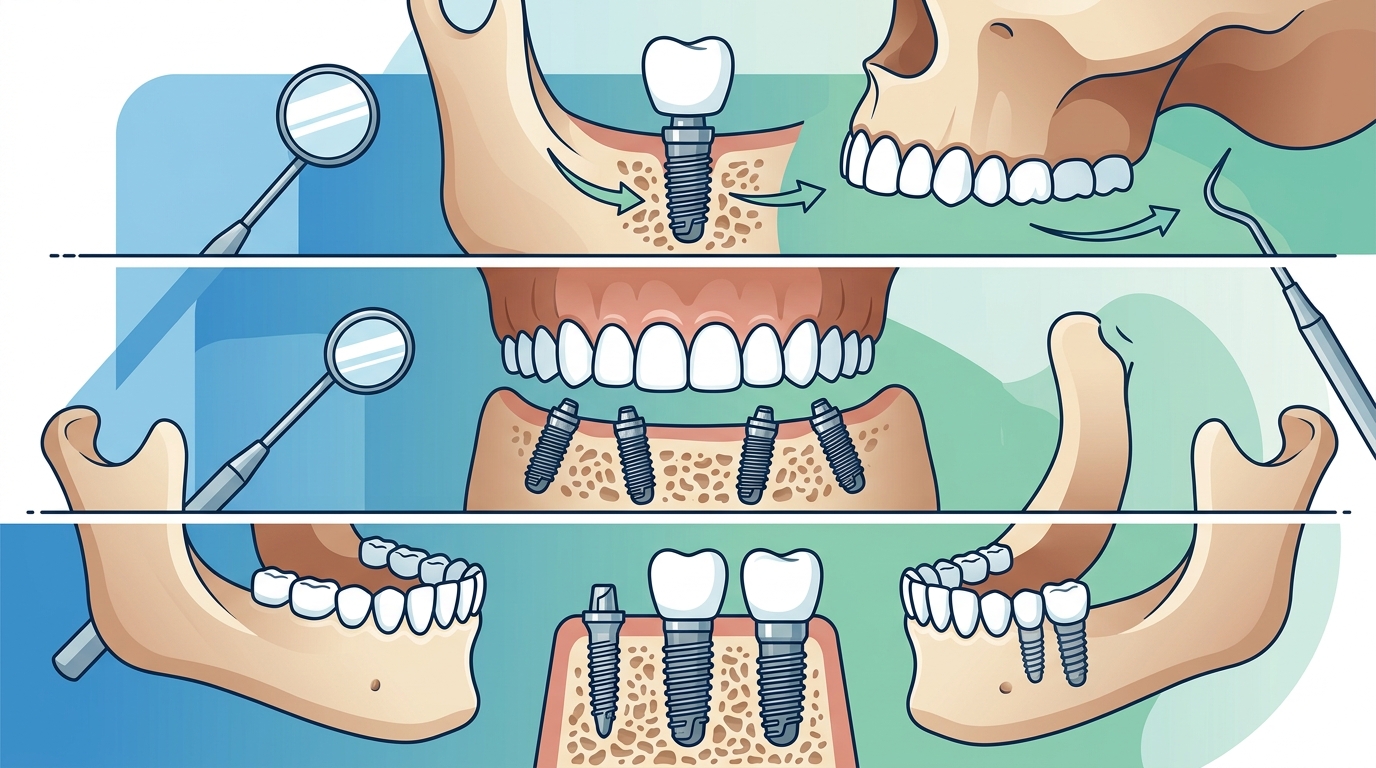
Conventional dental implants remain the gold standard for replacing single missing teeth or supporting small bridges. These implants typically consist of a titanium or zirconia post that is surgically placed directly into the jawbone. The process relies on osseointegration, where the bone fuses with the implant surface to create a stable foundation. (Oral Surgeon NYC l)
At Park Avenue Oral, Maxillofacial & Implant Surgery, we utilize advanced CT-guided implant placement to ensure precise positioning. This technology allows us to map the exact location of nerves and sinuses, minimizing risk and maximizing long-term success. Conventional implants are ideal for patients who have sufficient bone volume and are looking for a permanent, non-removable solution. (Oral Surgeon NYC l)
The Role of Bone Grafting
Not all patients are immediate candidates for conventional implants. If bone loss has occurred due to prolonged tooth absence, a bone graft may be required. This procedure rebuilds the jawbone to support the implant post. Our team evaluates bone density during your initial consultation to determine if grafting is necessary before proceeding with surgery. (MEET DR CHOI Park)
All-on-X Implant Reconstruction
For patients who have lost most or all of their teeth, All-on-X reconstruction offers a transformative solution. This approach involves placing a specific number of implants to support a full arch of fixed teeth. The "X" represents the variable number of implants used, typically four to six per arch, depending on the patient's anatomy. (IMPLANT SURGERY Park Avenue)
One of the primary advantages of All-on-X is the potential for immediate function. In many cases, patients can leave the office with a temporary set of teeth on the same day as surgery. This significantly reduces the downtime associated with traditional tooth replacement methods. Dr. Choi specializes in full mouth implant reconstruction, ensuring that the final prosthetic teeth are both functional and aesthetically pleasing.
Immediate Implant Placement
In select cases, we offer same-day immediate implant placement. This technique involves placing the implant post immediately after tooth extraction, preserving the gum tissue and bone structure. This approach can streamline the treatment timeline and improve patient comfort during the healing phase.
Zygomatic and Pterygoid Implants
Advanced Zygomatic and Pterygoid implants are designed for patients with severe bone loss in the upper jaw who are not candidates for bone grafting. These implants are longer than conventional posts and anchor into the zygomatic bone (cheekbone) or the pterygoid plate (a part of the sphenoid bone).
This technique bypasses the need for extensive bone grafting procedures, which can be time-consuming and costly. By utilizing the dense bone of the cheek or skull base, these implants provide exceptional stability for full-arch restorations. Dr. Choi’s fellowship training in minimally invasive surgery allows him to perform these complex procedures with precision and reduced trauma to surrounding tissues.
Why Choose Advanced Anchors?
Patients with significant maxillary bone resorption often face limited options. Traditional implants require sufficient bone height and width, which may not be present. Zygomatic implants offer a viable alternative, providing a secure anchor for prosthetic teeth without the need for secondary grafting surgeries. This makes them an excellent choice for patients seeking a faster path to a restored smile.
Comparing Implant Options
Choosing the right implant type depends on several factors, including bone density, overall health, and financial considerations. The table below summarizes the key differences between the primary implant types offered at Park Avenue Oral, Maxillofacial & Implant Surgery.
| Implant Type | Best For | Bone Requirement | Recovery Time |
|---|---|---|---|
| Conventional Implants | Single or few missing teeth | Standard bone volume | 3-6 months for osseointegration |
| All-on-X Reconstruction | Full arch tooth loss | Moderate to low bone volume | Immediate temporary teeth possible |
| Zygomatic Implants | Severe upper jaw bone loss | Minimal upper jaw bone | Reduced due to no grafting |
| Pterygoid Implants | Posterior maxillary bone loss | Minimal posterior bone | Reduced due to no grafting |
Key Takeaways
- Conventional implants are the standard for single tooth replacement and require adequate bone density.
- All-on-X reconstruction provides a fixed full-arch solution, often allowing for immediate temporary teeth.
- Zygomatic and Pterygoid implants anchor into the cheekbone or skull base, bypassing the need for bone grafting in severe cases.
- CT-guided placement ensures precision and safety, reducing the risk of complications during surgery.
- Minimally invasive techniques used by Dr. Choi lead to less pain and faster recovery times for patients.
- Same-day immediate implants are available for select patients, streamlining the restoration process.
- Fellowship-trained expertise in complex cases ensures high-quality outcomes for even the most challenging scenarios.
Frequently Asked Questions
What is the difference between a dental implant and a bridge?
A dental implant replaces the tooth root with a titanium post, while a bridge relies on adjacent teeth for support. Implants are generally considered more durable and do not compromise the health of neighboring teeth.
Are zygomatic implants painful?
Most patients report minimal discomfort after zygomatic implant surgery. We use advanced anesthesia and pain management techniques, including Exparel extended pain relief, to ensure a comfortable recovery.
How long do dental implants last?
With proper care and regular dental checkups, dental implants can last a lifetime. The prosthetic teeth may need replacement after 10 to 15 years due to normal wear and tear.
Can I get implants if I have gum disease?
Active gum disease must be treated before implant surgery to ensure success. Our team will evaluate your oral health and create a treatment plan to address any infections prior to surgery.
What is the cost of dental implants?
The cost varies depending on the type of implant and the complexity of the case. We offer flexible financial options and can provide a detailed estimate during your consultation.
Is sedation available during implant surgery?
Yes, we offer IV sedation and nitrous oxide to help patients relax during the procedure. Our goal is to make the experience as comfortable and stress-free as possible.
How long does the healing process take?
Healing times vary by patient and procedure. Conventional implants typically require 3 to 6 months for osseointegration, while All-on-X patients may have temporary teeth immediately after surgery.
Schedule Your Consultation
Restoring your smile with dental implants is a significant investment in your health and confidence. Dr. Choi and his team at Park Avenue Oral, Maxillofacial & Implant Surgery are dedicated to providing compassionate, evidence-based care. Whether you need a single conventional implant or a complex All-on-X reconstruction, we are here to guide you through every step of the process.
Contact us today to schedule your consultation and learn more about how dental implants can transform your life. Visit our contact page to book an appointment or call us at 212-339-3930.