
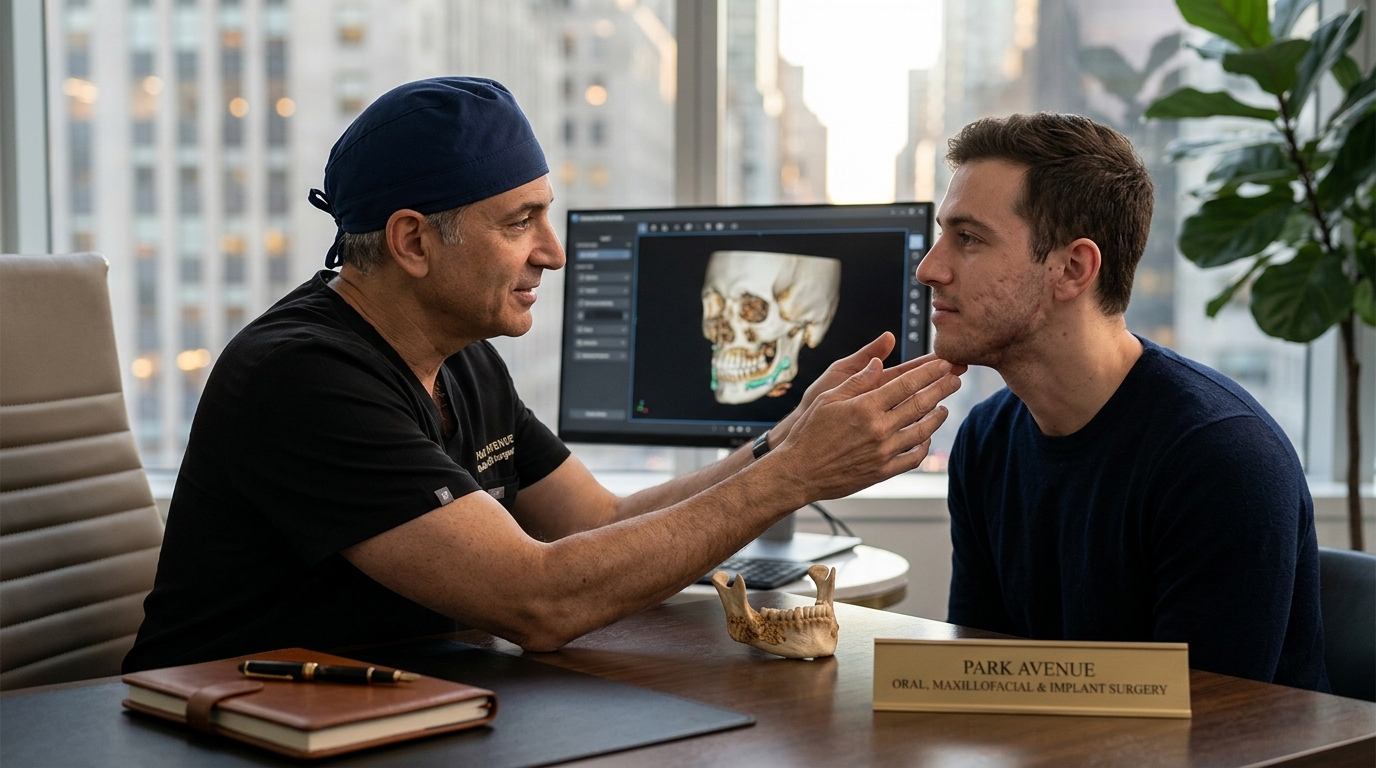
Severe facial trauma can permanently alter your ability to eat, speak, and breathe. According to recent data from the American Association of Oral and Maxillofacial Surgeons, millions of patients seek specialized care annually for complex jaw fractures. The difference between a standard recovery and a restored quality of life often depends on the precision of the surgical intervention. This guide details the advanced reconstruction options available today, focusing on minimally invasive techniques that reduce pain and accelerate healing.
Understanding Jaw Fractures and Trauma
Jaw injuries, medically known as mandibular or maxillary fractures, result from high-impact events such as automobile accidents, sports collisions, or falls. These injuries disrupt the structural integrity of the face, leading to misalignment, chronic pain, and functional impairment. Jaw Surgery is the primary corrective pathway for these complex structural damages.
Without proper alignment, the jaw may heal in a compromised position, a condition known as malocclusion. This can lead to long-term issues with chewing, speech clarity, and even sleep apnea. Early intervention by a board-certified specialist is critical to prevent permanent deformity. Dr. Choi, a Fellow of the American College of Surgeons, specializes in these complex cases, ensuring that functional restoration matches aesthetic goals.
Surgical Intervention Options
When addressing facial reconstruction, the goal is to restore both form and function. The options range from traditional open surgery to advanced minimally invasive procedures. Each approach is tailored to the specific location and severity of the fracture.
Open Reduction and Internal Fixation (ORIF)
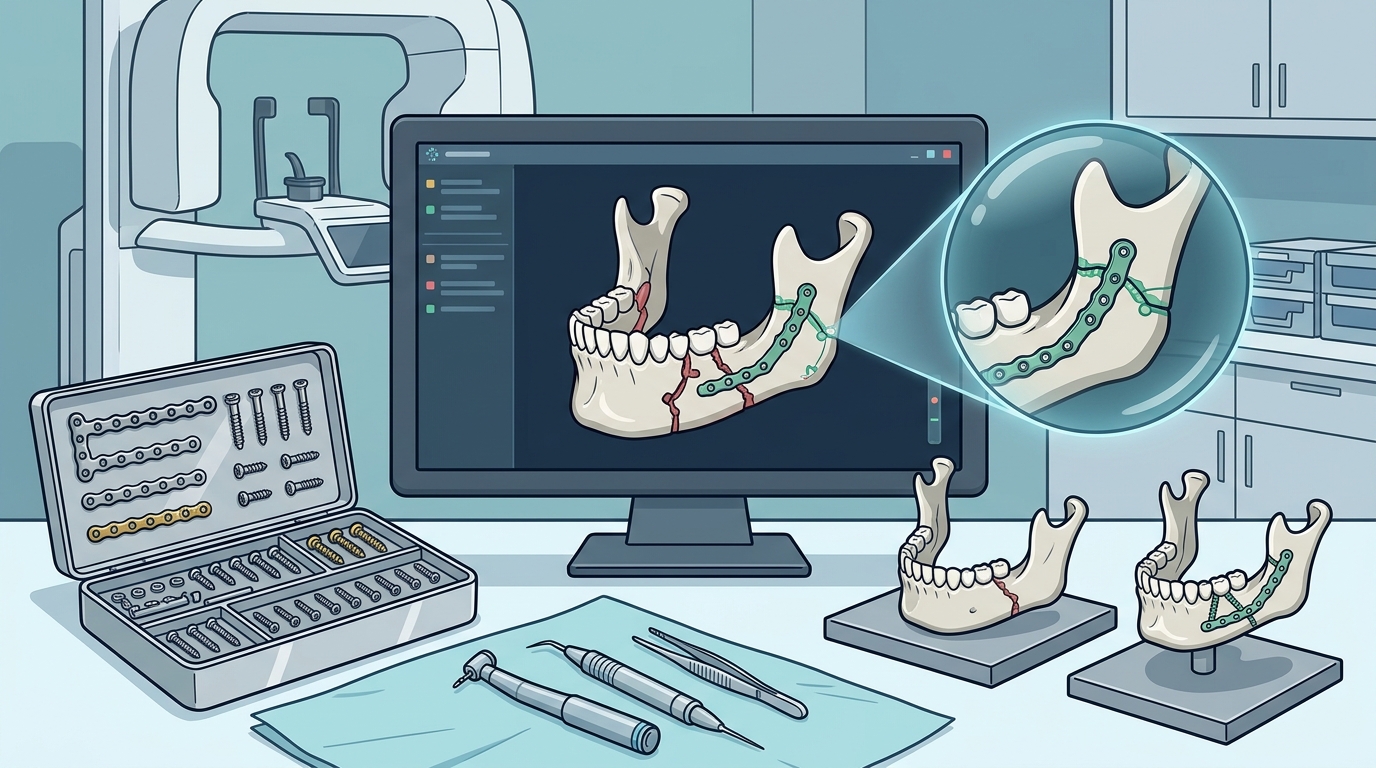
Open Reduction and Internal Fixation remains the gold standard for severe fractures. This procedure involves making precise incisions to access the broken bone fragments. The surgeon then realigns the bones and secures them using titanium plates and screws. This method provides rigid stability, allowing the bone to heal in the correct anatomical position. For patients requiring extensive reconstruction, Maxillofacial Surgery offers the expertise needed to navigate complex anatomical challenges.
Minimally Invasive Techniques
Minimally invasive surgery represents a significant leap forward in patient comfort. By utilizing smaller incisions and specialized tools, surgeons can reduce tissue trauma significantly. This approach is particularly effective for Oral Surgery cases involving the lower jaw. The reduced tissue disruption leads to less postoperative swelling and a faster return to normal activities.
Facial Contouring and Aesthetic Restoration
Reconstruction is not solely about function; it is also about restoring the natural contours of the face. Trauma can cause asymmetry or loss of definition in the jawline. Procedures such as Jawline Implant placement or bone grafting can restore the natural shape of the face. This holistic approach ensures that the patient looks as good as they feel after recovery.
Advanced Technology in Reconstruction
The precision of facial reconstruction relies heavily on the technology used during the planning and execution phases. Park Avenue Oral, Maxillofacial & Implant Surgery utilizes cutting-edge tools to ensure optimal outcomes.
Virtual Surgical Planning (VSP)
Virtual Surgical Planning is an advanced operation design tool that transforms how surgeons approach complex cases. Using detailed 3D images from a CT scan, the surgical team creates a virtual model of your jaw and surrounding structures. This allows us to simulate your surgery on the computer before it happens. The result is a highly predictable outcome with reduced surgery time. You can learn more about how Virtual Surgical Planning improves safety and efficiency.
CT Guided Implant Placement
Even after a fracture heals, bone loss may occur, necessitating dental implants. CT guided Implant Placement uses the same 3D data to plan implant insertion with millimeter precision. This ensures that implants are placed in the strongest bone available, avoiding vital nerves and sinuses. This technology is crucial for patients needing Implant Surgery following trauma.
Piezoelectric Surgery
Piezoelectric surgery uses ultrasonic vibrations to cut bone while sparing soft tissue. This technology is particularly valuable in Piezoelectric Surgery applications where precision is paramount. It reduces the risk of damaging nearby nerves, which is a common concern in jaw reconstruction. The Medtronic Piezoelectric Saw is one of the tools used to achieve these precise cuts.
Comparison of Reconstruction Techniques
Choosing the right approach depends on the specific injury. The table below compares common techniques used in facial reconstruction.
| Technique | Best For | Recovery Time | Pain Management |
|---|---|---|---|
| Open Reduction (ORIF) | Severe fractures requiring rigid fixation | 4-6 weeks | Managed with Exparel & NSAIDs |
| Minimally Invasive Surgery | Less complex fractures, aesthetic concerns | 2-3 weeks | Minimal narcotic use |
| Bone Grafting | Restoring bone volume after trauma | 3-6 months | Standard post-op care |
| Jawline Contouring | Correcting asymmetry post-injury | 1-2 weeks | Exparel Extended Pain Relief |
Key Takeaways
- Specialized Expertise: Dr. Choi is one of the youngest Oral & Maxillofacial Surgeons in NYC to be inducted as a Fellow of the American College of Surgeons (FACS).
- Minimally Invasive Focus: Our philosophy prioritizes minimally invasive techniques, resulting in less than 20% surgery time and minimal narcotic use.
- Advanced Planning: Virtual Surgical Planning (VSP) allows for precise simulation of reconstruction before the first incision is made.
- Pain Management: We utilize Exparel Extended Pain Relief to significantly reduce postoperative discomfort compared to traditional methods.
- Comprehensive Care: From initial trauma to final aesthetic refinement, we offer a full spectrum of Oral Surgery and Implant Surgery services.
- Proven Results: Ranked among the top 5% of surgeons for four years in a row, our patient outcomes reflect our commitment to excellence.
- Safe Anesthesia: We adhere to strict protocols for Safe & Comfortable Anesthesia, ensuring patient safety throughout the procedure.
Frequently Asked Questions
How long does it take to recover from jaw fracture surgery?
Recovery times vary based on the severity of the injury and the technique used. Traditional open surgery may require 4-6 weeks for initial bone healing, while minimally invasive options can reduce this to 2-3 weeks. Our use of Exparel helps manage pain during this critical period.
Will my face look normal after reconstruction?
The goal of reconstruction is to restore both function and aesthetics. Using Virtual Surgical Planning, we can predict and correct asymmetry. Many patients undergo additional Facial Contouring to ensure their jawline matches their pre-injury appearance.
Is surgery necessary for all jaw fractures?
Not all fractures require surgery. Minor, non-displaced fractures may heal with a soft diet and monitoring. However, displaced fractures that affect your bite or cause significant pain typically require surgical intervention to prevent long-term complications.
What is the role of bone grafting in facial reconstruction?
Bone grafting is often necessary if the trauma caused significant bone loss. This procedure involves taking bone from another part of your body or using a donor source to rebuild the jaw structure. It is a critical step before Dental Implants can be placed.
How does minimally invasive surgery reduce pain?
Minimally invasive techniques reduce the amount of tissue and muscle disruption during surgery. Less trauma to the soft tissues directly correlates with less postoperative swelling and pain. We also use Exparel Extended Pain Relief to provide long-lasting anesthesia at the surgical site.
Can jaw surgery help with sleep apnea?
Yes. In some cases, jaw trauma or misalignment can contribute to Obstructive Sleep Apnea (OSA). Jaw Surgery can reposition the jaw to open the airway, improving breathing and sleep quality.
What should I do immediately after a jaw injury?
Seek immediate medical attention. Apply ice to reduce swelling and avoid eating solid foods. Contact a specialist like Dr. Choi for an evaluation to determine if surgical intervention is needed. Early assessment prevents complications.
Schedule Your Consultation
Recovering from a jaw injury requires a partner who understands both the medical and aesthetic complexities of facial reconstruction. Dr. Choi and the team at Park Avenue Oral, Maxillofacial & Implant Surgery are dedicated to providing compassionate, evidence-based care. We utilize the latest technology, including Virtual Surgical Planning and Piezoelectric Surgery, to ensure your recovery is as smooth and comfortable as possible.
Do not wait to address your facial trauma. Proper alignment and reconstruction are essential for your long-term health and confidence. Contact us today to schedule your consultation and take the first step toward a full recovery.