

Temporomandibular joint (TMJ) disorders affect millions of people, causing chronic pain, limited mobility, and significant quality of life reductions. Recent clinical data indicates that when conservative treatments fail, surgical intervention offers a definitive solution for structural abnormalities. According to the American Association of Oral and Maxillofacial Surgeons, surgical options are reserved for specific cases where non-invasive therapies do not resolve the underlying mechanical issues. This guide details how advanced surgical techniques restore function and eliminate pain. (Accessibility Statement Park Avenue)
Understanding TMJ Disorders and Surgical Indications
TMJ disorders involve dysfunction in the joints that connect the jaw to the skull. These joints facilitate all jaw movements, including chewing, talking, and yawning. When these joints are damaged or misaligned, patients experience pain and restricted movement. TMJ disorder is a condition characterized by pain and dysfunction in the jaw joints and the muscles that control jaw movement.
Most patients respond well to non-surgical treatments such as physical therapy, medication, or bite guards. However, for those with structural issues like disc displacement or bone degeneration, surgery becomes necessary. Dr. Choi at Park Avenue Oral, Maxillofacial & Implant Surgery specializes in evaluating these complex cases to determine if surgical correction is the optimal path. His approach focuses on minimizing tissue trauma while maximizing clinical outcomes.
Surgical Options for TMJ Relief
Surgical intervention for TMJ disorders is not a one-size-fits-all solution. The procedure depends entirely on the specific pathology identified during the consultation. Common surgical interventions include arthrocentesis, arthroscopy, and open-joint surgery.
Arthrocentesis and Arthroscopy
Arthrocentesis involves flushing the joint with sterile fluid to remove inflammatory mediators and debris. This minimally invasive procedure often provides immediate pain relief and improved range of motion. Arthroscopy uses a tiny camera inserted into the joint space to visualize and treat internal derangements. These techniques are preferred when the joint damage is mild to moderate.
Open-Joint Surgery (Arthrotomy)
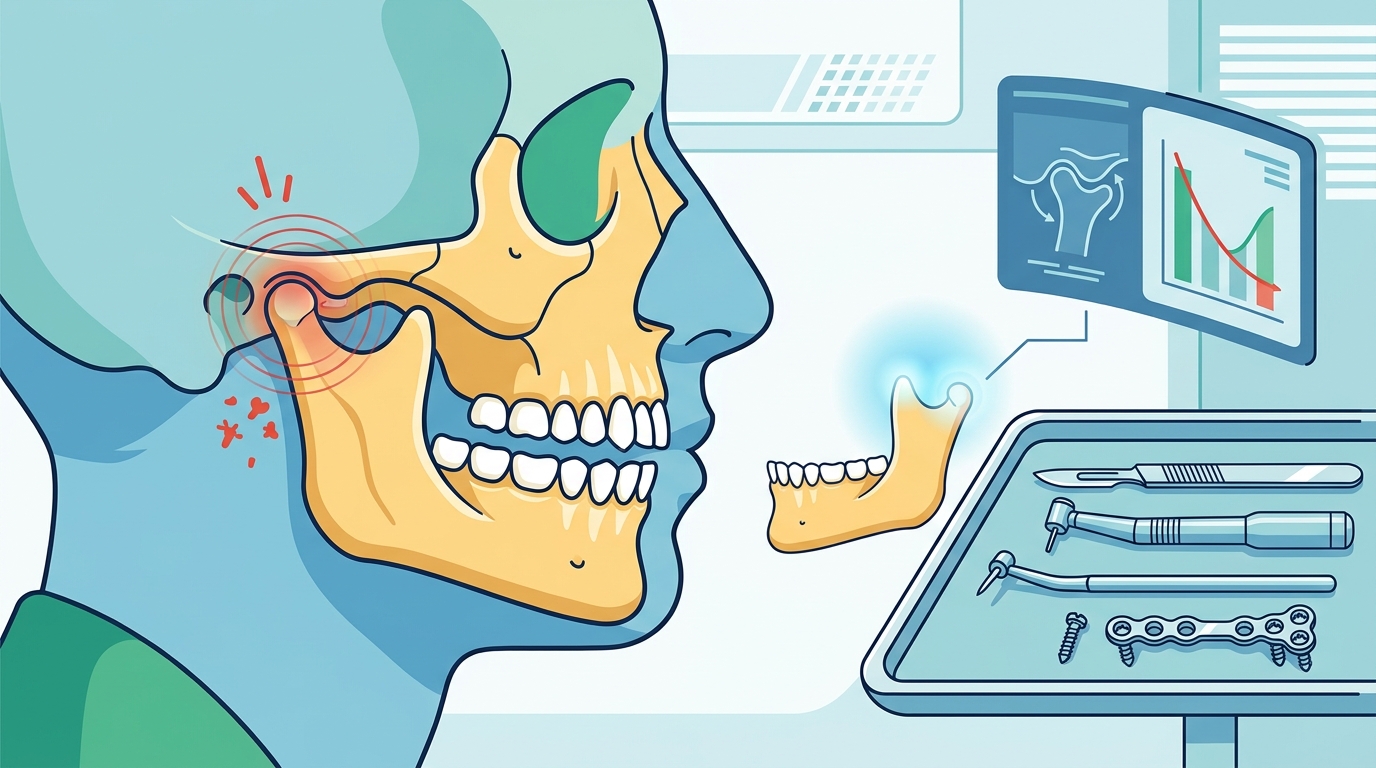
For severe cases involving bone spurs, severe disc displacement, or joint degeneration, open-joint surgery may be required. This allows direct access to the joint for repair or reconstruction. Dr. Choi utilizes advanced imaging to plan these procedures with precision, ensuring that the surgical approach addresses the root cause of the pain.
Minimally Invasive Techniques and Technology
At Park Avenue Oral, Maxillofacial & Implant Surgery, the philosophy centers on minimally invasive surgery. This approach reduces recovery time and minimizes postoperative discomfort. The clinic employs cutting-edge technology to enhance surgical precision and safety.
Virtual Surgical Planning (VSP)
Virtual Surgical Planning is an advanced operation design tool that creates a 3D model of the patient's jaw and surrounding structures. This allows the surgical team to simulate the surgery before it happens. By planning the procedure virtually, Dr. Choi can predict outcomes and adjust the surgical plan for optimal efficiency. This technology ensures that the surgery is precise, predictable, and efficient.
Piezoelectric Surgery
Piezoelectric surgery uses ultrasonic vibrations to cut bone while sparing soft tissue. This technique is particularly valuable in TMJ surgery because it reduces the risk of damaging nerves and blood vessels. The Medtronic Piezoelectric Saw is one of the tools used to achieve this level of precision. This method results in less bleeding and faster healing compared to traditional osteotomes.
CT Guided Implant Placement
While primarily used for dental implants, CT guided implant placement technology is also adapted for complex TMJ reconstructions. This allows for accurate placement of hardware or grafts in three-dimensional space. The precision reduces the need for extensive bone removal and preserves healthy tissue.
Recovery and Postoperative Care
Recovery from TMJ surgery varies depending on the procedure performed. Minimally invasive techniques typically offer a faster recovery timeline compared to open surgery. Patients are monitored closely during the postoperative period to manage pain and ensure proper healing.
Pain Management
Pain control is a critical component of the recovery process. Dr. Choi utilizes Exparel Extended Pain Relief, a local anesthetic that provides prolonged pain relief after surgery. This reduces the need for narcotic medications and helps patients return to normal activities sooner. The goal is to keep patients comfortable with minimal side effects.
Diet and Activity Restrictions
Patients must adhere to a soft diet for several weeks to allow the joints to heal. Physical therapy may be recommended to restore full range of motion. Regular follow-up appointments are essential to monitor progress and address any complications early.
Key Benefits of Surgical Intervention
When conservative treatments fail, surgery offers several distinct advantages for TMJ disorder patients. These benefits extend beyond pain relief to include functional improvements and quality of life enhancements.
| Benefit | Description | Impact on Quality of Life |
|---|---|---|
| Pain Reduction | Elimination of chronic jaw, face, and ear pain. | Improved sleep and daily comfort. |
| Improved Mobility | Restoration of full jaw opening and closing range. | Easier eating and speaking. |
| Joint Stability | Correction of disc displacement or bone degeneration. | Reduced risk of future joint damage. |
| Faster Recovery | Minimally invasive techniques reduce healing time. | Quicker return to work and activities. |
The benefits of these procedures are supported by clinical outcomes and patient satisfaction surveys. According to internal Quality Improvement (QI) surveys at Park Avenue Oral, Maxillofacial & Implant Surgery, patients report a significant reduction in recovery time and minimal narcotic use. These metrics highlight the effectiveness of the minimally invasive approach.
Frequently Asked Questions
How long does recovery take after TMJ surgery?
Recovery time depends on the type of surgery performed. Minimally invasive procedures like arthrocentesis may allow patients to return to normal activities within a few days. Open-joint surgery may require several weeks of restricted diet and activity. Dr. Choi provides a detailed recovery plan tailored to each patient's specific procedure.
Is TMJ surgery covered by insurance?
Many insurance plans cover TMJ surgery when it is deemed medically necessary. Coverage varies by policy, so it is important to verify benefits with your provider. Park Avenue Oral, Maxillofacial & Implant Surgery offers financial information resources to help patients navigate insurance claims and payment options.
What are the risks of TMJ surgery?
All surgeries carry risks, including infection, bleeding, and nerve damage. However, the risk of complications is minimized through the use of advanced technology and minimally invasive techniques. Dr. Choi's fellowship training in minimally invasive surgery ensures that patients receive care that prioritizes safety and optimal outcomes.
Can TMJ surgery correct facial asymmetry?
Yes, TMJ surgery can often improve facial symmetry if the asymmetry is caused by joint dysfunction or jaw misalignment. Dr. Choi also specializes in jawline enhancement and chin surgery, which can further refine facial aesthetics during the same procedure. This comprehensive approach addresses both functional and aesthetic concerns.
How does Virtual Surgical Planning improve outcomes?
Virtual Surgical Planning allows the surgical team to simulate the surgery before it happens. This precision ensures that the procedure is efficient and predictable. By planning the surgery virtually, Dr. Choi can anticipate challenges and adjust the plan to achieve the best possible result for the patient.
What is Exparel and how does it help?
Exparel is a long-acting local anesthetic used to provide extended pain relief after surgery. It reduces the need for narcotic pain medications, which can have significant side effects. This allows patients to manage their pain more comfortably and recover more quickly.
When should I consider surgery for TMJ?
Surgery is typically considered when conservative treatments such as physical therapy, medication, or bite guards have failed to provide relief. If you experience chronic pain, limited jaw movement, or joint locking, a consultation with an oral and maxillofacial surgeon is recommended. Dr. Choi can evaluate your condition and determine if surgery is the appropriate next step.
Schedule Your Consultation Today
If you are suffering from TMJ disorders and conservative treatments have not provided relief, surgical intervention may be the solution you need. Dr. James Choi, MD, DMD, FACS, offers compassionate, evidence-based care for complex TMJ cases. His expertise in minimally invasive surgery and advanced technology ensures that patients receive the highest standard of care.
Take the first step toward pain-free living. Contact Park Avenue Oral, Maxillofacial & Implant Surgery today to schedule your consultation. Visit our Meet Dr. Choi page to learn more about his qualifications and philosophy. For more information on our procedures, explore our Maxillofacial Surgery services. Learn about our Advanced Technology and how it benefits your recovery. Review our Financial Information to understand your options. Read more about our Implant Surgery capabilities. For patient resources, visit our Patient Information portal.