
Dental implants have become the gold standard for tooth replacement, yet understanding the potential risks is essential for any patient considering this procedure. According to recent clinical data, while implant success rates exceed 95%, complications such as infection or nerve injury remain possible if proper surgical protocols are not followed. At Park Avenue Oral, Maxillofacial & Implant Surgery, we prioritize minimizing these risks through advanced technology and minimally invasive techniques. This guide details the specific dangers, how our team mitigates them, and what you can expect during recovery.
Understanding Implant Surgery Risks
Dental implant surgery involves placing a titanium post into the jawbone to serve as a root for a replacement tooth. While generally safe, it is a surgical procedure that carries inherent risks. Implant failure is a primary concern, often resulting from the body rejecting the titanium or failing to fuse with the bone. This process, known as osseointegration, can be compromised by smoking, poor oral hygiene, or underlying health conditions like diabetes.
Another significant risk is peri-implantitis, a condition similar to gum disease that affects the tissues surrounding the implant. If left untreated, it can lead to bone loss and eventual implant failure. Understanding these risks allows patients to take proactive steps to protect their oral health. For more information on implant maintenance, visit our Implant Surgery page.
Common Complications & Symptoms
Patients should be aware of the specific symptoms that may indicate a complication. Early detection is critical for successful treatment. Below is a summary of common risks and their clinical presentations.
| Complication | Symptoms | Prevention Strategy |
|---|---|---|
| Infection | Swelling, pus, fever, persistent pain | Antibiotic prophylaxis, sterile technique |
| Nerve Damage | Numbness, tingling in lips/chin | CT-guided planning, precise placement |
| Implant Failure | Loose implant, bone loss | Bone grafting, smoking cessation |
| Sinus Issues | Sinus pressure, congestion | Sinus lift evaluation, VSP |
Nerve damage is a rare but serious risk, particularly in the lower jaw. It can result in temporary or permanent numbness. To mitigate this, we utilize CT guided Implant Placement to map the exact location of nerves before surgery. This precision ensures the implant avoids critical anatomical structures.
The Park Avenue Difference: Minimizing Risk
At Park Avenue Oral, Maxillofacial & Implant Surgery, our philosophy centers on minimally invasive surgery. This approach directly reduces the risk of complications by limiting tissue trauma. Dr. James Choi, MD, DMD, FACS, is a board-certified Oral & Maxillofacial Surgeon with 10 years of experience. His training includes a unique fellowship in minimally invasive surgery at the University of Munich, Germany.
Our minimally invasive techniques result in less bleeding, reduced swelling, and faster healing. According to our internal Quality Improvement (QI) survey, patients experience a <33% reduction in recovery time compared to traditional methods. This efficiency is crucial for patients seeking a quick return to normal activities. Learn more about Dr. Choi’s credentials on our Meet Dr. Choi page.
Advanced Technology for Safety
Technology plays a pivotal role in reducing surgical risks. We employ several advanced tools to ensure precision and safety during every procedure.
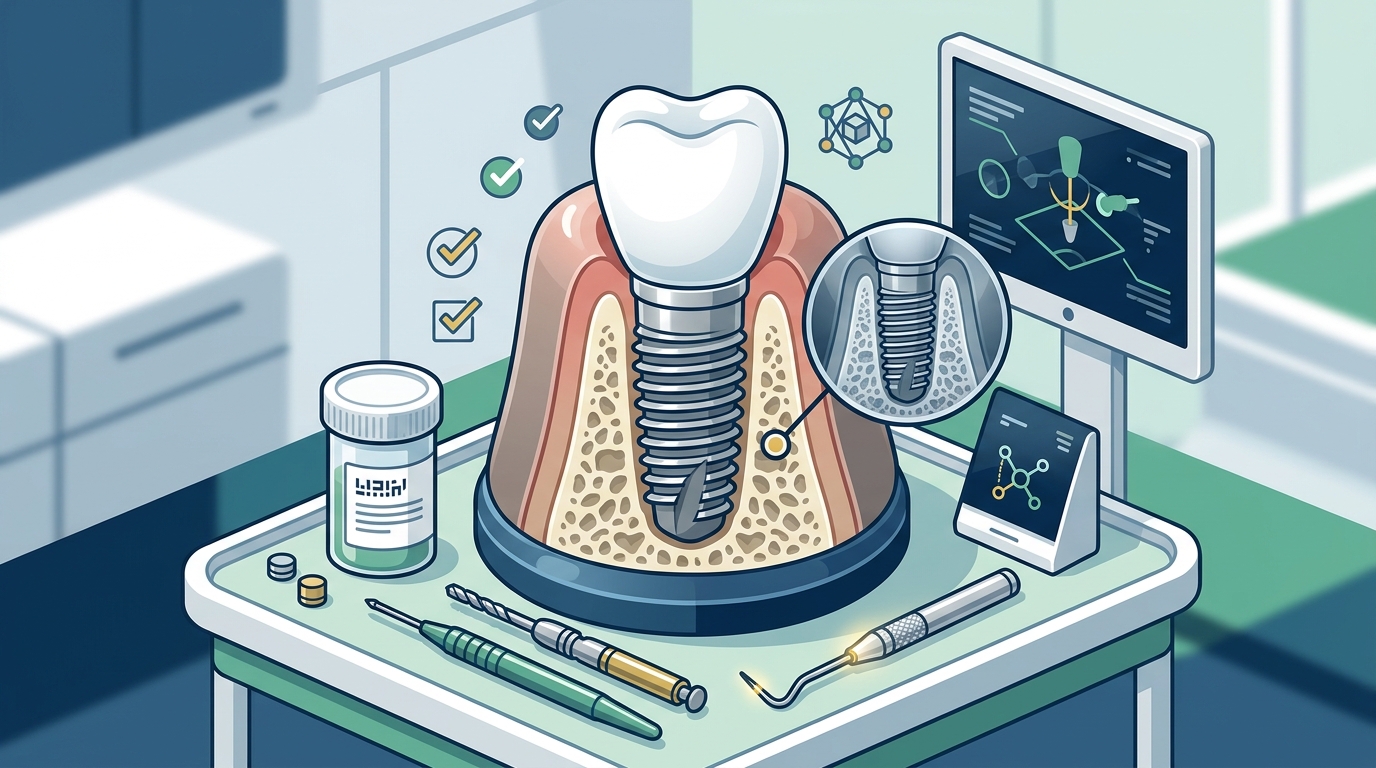
Virtual Surgical Planning (VSP)
Virtual Surgical Planning is an advanced operation design tool that allows us to simulate the surgery before it happens. This digital planning ensures optimal implant placement, avoiding nerves and sinuses. It is particularly important for complex cases like Maxillofacial Surgery or full-mouth reconstructions.
Piezoelectric Surgery
We use the Medtronic Piezoelectric Saw for bone preparation. This ultrasonic tool cuts bone precisely while sparing soft tissue, nerves, and blood vessels. This reduces the risk of accidental injury and promotes faster healing. It is a key component of our commitment to safe anesthesia and minimal pain.
Extended Pain Relief
Post-operative pain is a major concern for patients. We utilize Exparel Extended Pain Relief, a local anesthetic that provides pain relief for up to 72 hours. This significantly reduces the need for narcotics and improves patient comfort during the critical first few days of recovery.
Recovery Time & Pain Management
Recovery varies by patient, but our data shows that minimally invasive techniques lead to quicker outcomes. Our internal metrics indicate that our patients use <1 minimal narcotic on average. This is a testament to the effectiveness of our pain management protocols.
Most patients can return to work within 1-2 days. However, full osseointegration takes 3-6 months. During this time, following post-operative instructions is vital. We provide detailed Postop Instructions to ensure proper healing. Adhering to these guidelines minimizes the risk of infection and implant failure.
Key Takeaways
- High Success Rate: Dental implants have a success rate exceeding 95% when performed by experienced surgeons.
- Risk Mitigation: CT-guided planning and Virtual Surgical Planning reduce the risk of nerve damage and sinus issues.
- Minimally Invasive: Our techniques result in <20% surgery time and less anesthesia, leading to faster recovery.
- Pain Management: Use of Exparel reduces post-operative pain and narcotic use significantly.
- Expert Care: Dr. Choi is a Fellow of the American College of Surgeons (FACS), a distinction held by only a few surgeons in NYC.
- Top-Ranked: Park Avenue Oral Surgery has been ranked among the top 5% of surgeons for four years in a row.
- Comprehensive Care: We offer everything from wisdom teeth extraction to complex All-on-X implant reconstruction.
Frequently Asked Questions
How long does it take for dental implants to heal?
Healing involves two phases. Soft tissue healing takes 1-2 weeks, while bone integration (osseointegration) takes 3-6 months. Our minimally invasive approach helps speed up the initial soft tissue recovery.
What are the signs of dental implant infection?
Symptoms include persistent pain, swelling, redness, pus discharge, and fever. If you experience these symptoms, contact our office immediately at 212-339-3930 for evaluation.
Can smoking affect dental implant success?
Yes, smoking significantly increases the risk of implant failure and infection. It restricts blood flow to the gums, hindering healing. We strongly advise patients to quit smoking before and after surgery.
What is the difference between conventional implants and All-on-X?
Conventional implants replace single teeth, while All-on-X Implant reconstruction replaces a full arch of teeth using fewer implants. Both options are highly effective when planned correctly.
How does Virtual Surgical Planning reduce risks?
VSP allows us to digitally plan the exact angle and depth of the implant. This precision avoids nerves and sinuses, reducing the risk of complications and ensuring optimal aesthetic and functional outcomes.
Is dental implant surgery painful?
Most patients report minimal discomfort. We use Safe & Comfortable Anesthesia options, including IV sedation, to ensure you are pain-free during the procedure. Post-operative pain is managed with Exparel and non-narcotic medications.
What makes Park Avenue Oral Surgery different?
We combine minimally invasive techniques with advanced technology like the Medtronic Piezoelectric Saw. Our focus on patient comfort and safety results in faster recovery times and higher patient satisfaction.
Schedule Your Consultation
Understanding the risks of dental implant surgery is the first step toward a successful outcome. By choosing a board-certified specialist who utilizes advanced technology and minimally invasive techniques, you can minimize complications and maximize your results. Dr. James Choi and his team at Park Avenue Oral, Maxillofacial & Implant Surgery are dedicated to providing compassionate, evidence-based care.
Contact us today to schedule your consultation. Visit our Contact page or call 212-339-3930 to learn more about how we can help you achieve a healthy, confident smile.