
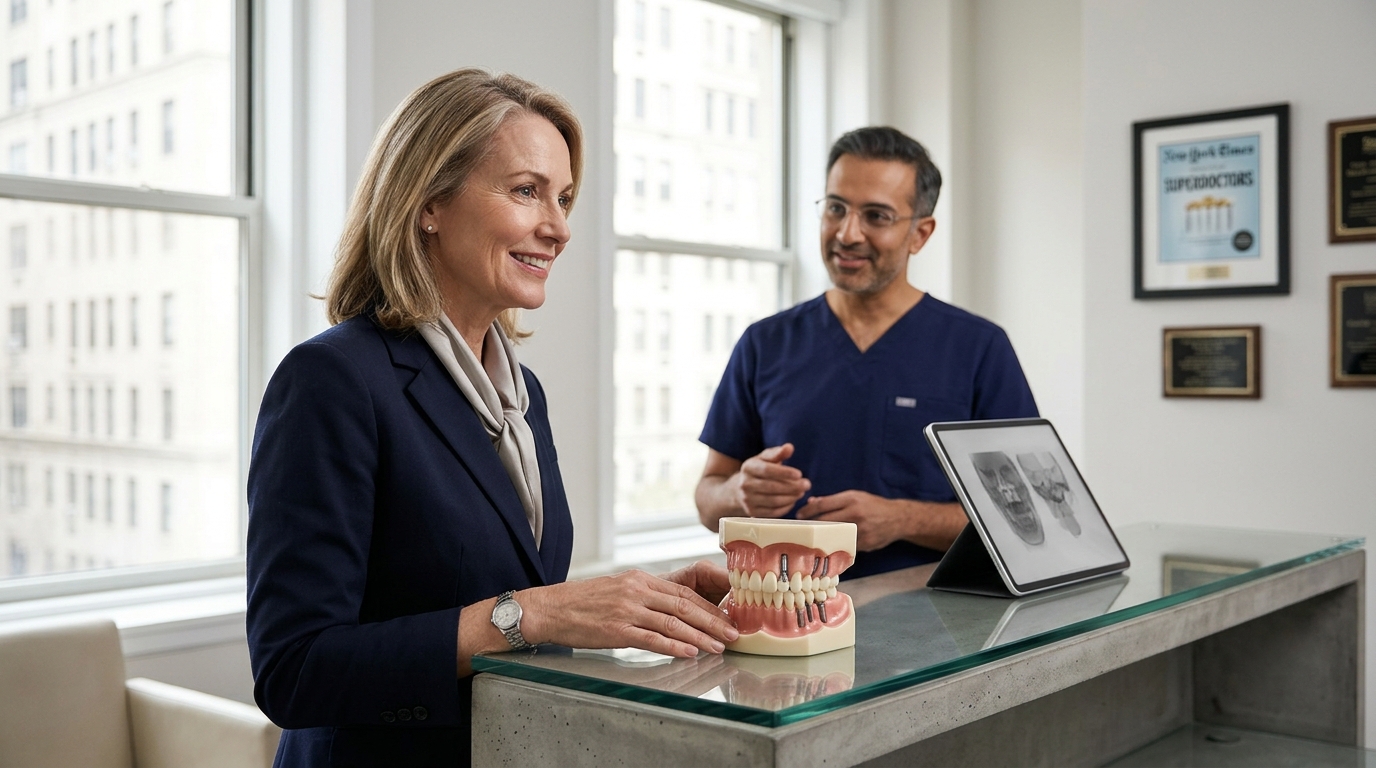
Modern restorative dentistry has evolved significantly over the last decade. According to the American Dental Association, more than four million people currently benefit from dental implants worldwide, and that number continues to grow annually. This rapid expansion reflects a broader shift toward permanent, function-driven solutions that restore both chewing efficiency and facial structure. Understanding the specific categories of available hardware allows patients to align their anatomical needs with the most appropriate surgical protocol. Each category serves distinct clinical scenarios, ranging from standard single-tooth replacements to full-arch reconstruction methods.
Understanding Conventional Dental Implants
Conventional dental implants represent the foundational standard for single-tooth and multi-tooth restoration. These titanium or zirconia fixtures integrate directly with the jawbone through a process called osseointegration. Osseointegration is the biological fusion process where titanium fixtures bond directly with living bone tissue. This structural connection provides exceptional stability for crowns, bridges, or dentures. Most patients require adequate bone density to support standard fixture lengths and diameters. Surgeons typically utilize computer-guided mapping to place these fixtures at precise angles.
Standard Fixture Specifications
Most conventional systems utilize titanium grades that meet international biocompatibility standards. The surface texture often includes microscopic roughening to accelerate healing timelines. Patients typically experience a healing window of three to six months before attaching the final prosthetic. This timeline ensures maximum structural integration before applying functional loads.
Exploring All-on-X Implant Solutions
All-on-X implants provide a comprehensive framework for patients missing most or all teeth in a single arch. This protocol strategically positions four to six fixtures to support a full-arch fixed bridge. All-on-X implants is a surgical framework that utilizes four to six strategically placed fixtures to support a complete arch of prosthetic teeth. This approach eliminates the need for removable dentures while preserving existing bone structure. Dr. Choi frequently utilizes this method for patients seeking immediate functional restoration. The procedure often allows for same-day temporary teeth placement.
Full-Arch Reconstruction Benefits
Patients benefit from reduced treatment timelines compared to traditional sequential placement. The strategic angulation of posterior fixtures maximizes available bone volume. This technique often avoids complex bone grafting procedures entirely. Long-term outcomes demonstrate high survival rates when proper oral hygiene is maintained.
Evaluating Zygoma and Pterygoid Options
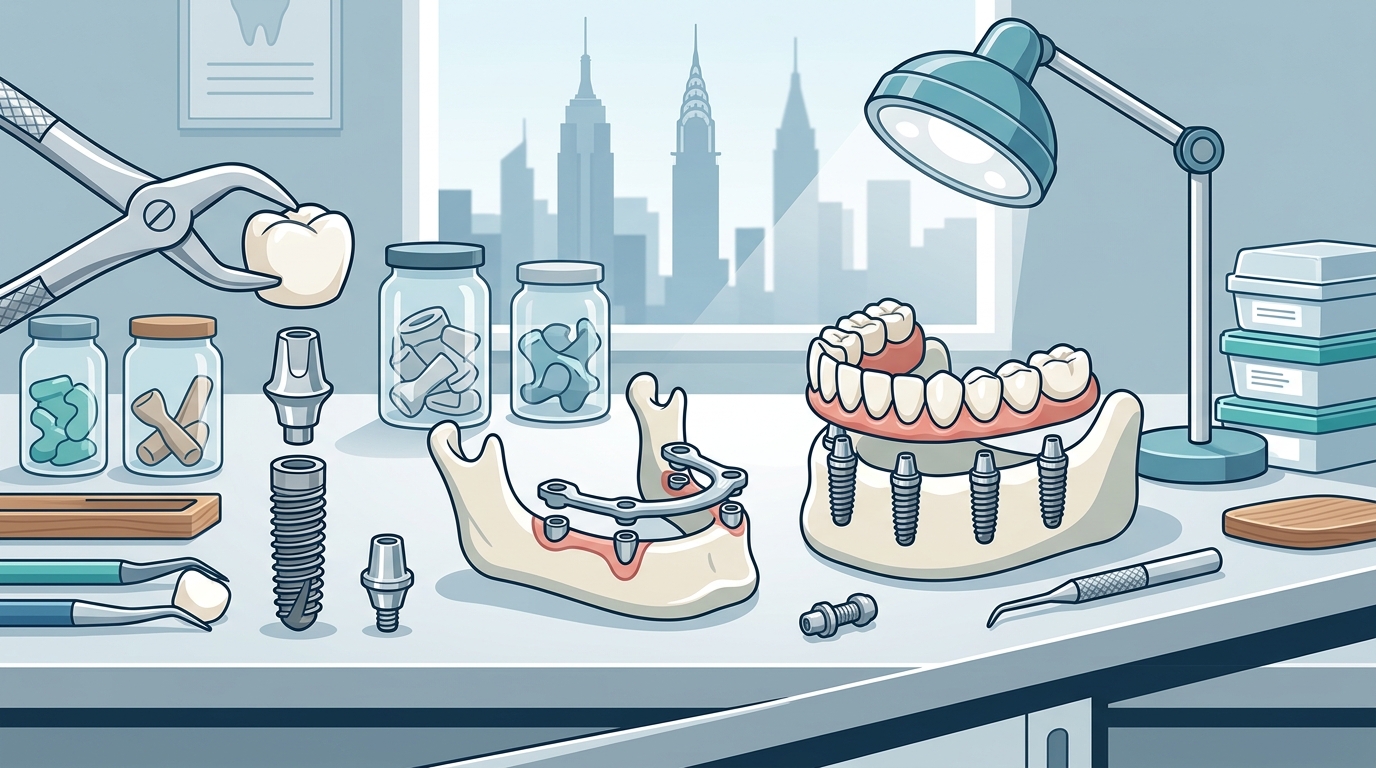
Severe maxillary bone loss often requires specialized anchoring techniques that bypass standard jawbone limitations. Zygoma implants anchor directly into the cheekbone rather than the maxilla. Pterygoid implants utilize the pterygoid plate at the back of the upper jaw. Zygoma implants is a specialized anchoring technique that secures titanium fixtures directly into the cheekbone to bypass severe maxillary bone loss. These advanced options are typically reserved for complex maxillofacial cases. Dr. Choi’s fellowship training in minimally invasive surgery provides the precise anatomical knowledge required for these procedures.
Anatomical Anchoring Strategies
These fixtures bypass the need for extensive sinus lifts or bone grafting. Surgeons utilize CT-guided planning to map exact trajectory angles. The procedure requires advanced surgical expertise to avoid critical anatomical structures. Recovery timelines remain comparable to standard protocols when proper postoperative care is followed.
Assessing Failing Implant Revision Procedures
Existing implants can occasionally fail due to peri-implantitis, mechanical fracture, or improper initial placement. Revision surgery requires careful assessment of the surrounding tissue and bone structure. Peri-implantitis is a progressive inflammatory condition that destroys supporting bone and soft tissue around a failing fixture. Dr. Choi specializes in extracting compromised fixtures and planning immediate replacement strategies. Patients often require customized bone grafting to restore structural integrity before re-implantation. This targeted approach maximizes long-term success rates for compromised cases.
Diagnostic Assessment Protocols
Advanced imaging reveals hidden bone defects that standard X-rays miss. Surgeons evaluate mobility, infection markers, and prosthetic wear patterns. Customized treatment plans address the root cause of failure rather than applying temporary fixes. Long-term monitoring ensures stable integration after revision procedures.
Comparing Advanced Surgical Technologies
Modern oral surgery relies on precision tools that minimize tissue trauma and accelerate recovery. Virtual surgical planning maps exact fixture placement before the first incision. CT-guided implant placement ensures millimeter-perfect positioning relative to nerves and sinuses. Virtual surgical planning is a digital mapping process that calculates exact fixture placement angles before the surgical procedure begins. Additional tools like the Medtronic Piezoelectric Saw and Exparel extended pain relief further optimize patient comfort. These technologies reduce swelling, bleeding, and postoperative discomfort significantly.
Minimally Invasive Protocols
Precision cutting tools isolate bone tissue while preserving surrounding blood vessels. Extended pain management protocols eliminate the need for heavy opioid prescriptions. Patients typically return to normal activities within a few days. These advanced methods align with Dr. Choi’s commitment to evidence-based, patient-centered care.
| Implant Category | Primary Clinical Application | Typical Fixture Count | Best Suited For |
|---|---|---|---|
| Conventional Dental Implants | Single or multi-tooth replacement | One to three per arch | Patients with adequate bone density |
| All-on-X Implants | Full-arch fixed bridge support | Four to six per arch | Patients missing most or all teeth |
| Zygoma and Pterygoid Implants | Severe maxillary bone loss cases | Two to four per arch | Patients requiring bone graft avoidance |
| Failing Implant Revision | Extraction and immediate replacement | Variable based on defect | Patients with compromised fixtures |
Key Takeaways
Understanding your options simplifies the decision-making process. Review these critical clinical benchmarks before scheduling a consultation.
- Conventional fixtures require adequate bone density for standard osseointegration timelines.
- All-on-X protocols utilize four to six strategically angled fixtures for full-arch stability.
- Zygoma and pterygoid options bypass severe maxillary bone loss without extensive grafting.
- Dr. Choi maintains a decade of specialized training in minimally invasive maxillofacial surgery.
- Advanced technologies like CT-guided planning and Piezoelectric cutting tools minimize tissue trauma.
- Revision procedures address peri-implantitis and mechanical failures with customized bone restoration.
- Financial planning options are available to align complex surgical protocols with patient budgets.
Frequently Asked Questions
Patients frequently ask about procedural timelines, material durability, and recovery expectations. The following answers address the most common clinical inquiries.
How long do dental implants typically last?
With proper oral hygiene and routine professional maintenance, modern titanium fixtures routinely exceed twenty years of functional service. Long-term success depends heavily on consistent cleaning protocols and avoiding excessive mechanical stress.
Is bone grafting required for all implant types?
Standard fixtures often require grafting when bone volume is insufficient. Advanced zygoma and pterygoid protocols specifically bypass the need for extensive grafting by anchoring into denser facial bones.
What is the typical recovery timeline for All-on-X procedures?
Patients typically experience mild swelling and discomfort for three to five days. Most individuals return to light daily activities within a week while adhering to a soft-food diet during initial healing.
How does virtual surgical planning improve outcomes?
Digital mapping eliminates guesswork by calculating exact fixture angles relative to nerves and sinuses. This precision reduces surgical time, minimizes bleeding, and accelerates the overall healing process.
Are zirconia fixtures a viable alternative to titanium?
Zirconia offers excellent biocompatibility and aesthetic translucency for patients with metal sensitivities. Titanium remains the gold standard for long-term mechanical durability and osseointegration rates.
What financial options are available for complex implant cases?
Park Avenue Oral Maxillofacial & Implant Surgery provides transparent financial planning tailored to multi-stage surgical protocols. Flexible payment structures align with the phased nature of advanced reconstruction.
How does Dr. Choi approach minimally invasive facial surgery?
Dr. Choi completed specialized fellowship training in Germany focusing on tissue preservation techniques. This background ensures maximum clinical outcomes while minimizing visible scarring and postoperative discomfort.
Schedule Your Consultation
Selecting the correct implant category requires precise anatomical assessment and experienced surgical planning. Dr. James Choi combines board-certified expertise with advanced digital mapping to deliver predictable, long-lasting results. Patients seeking comprehensive restorative solutions should schedule a detailed consultation to review their specific imaging and treatment options. Visit the Contact page to book your appointment. Explore the Financial Information portal to understand coverage pathways. Review the Advanced Technology page to learn how precision tools optimize recovery. Trust the Meet Dr Choi profile to understand the decade of specialized training behind every procedure. Take the first step toward permanent restoration today.