

Dental implants fail primarily due to biological complications like peri-implantitis or mechanical issues like overload. Osseointegration problems occur when the bone does not fuse properly with the titanium post, often caused by infection, smoking, or poor bone quality. At Park Avenue Oral, Maxillofacial & Implant Surgery, we use advanced planning to prevent these issues.
Biological Factors in Implant Failure
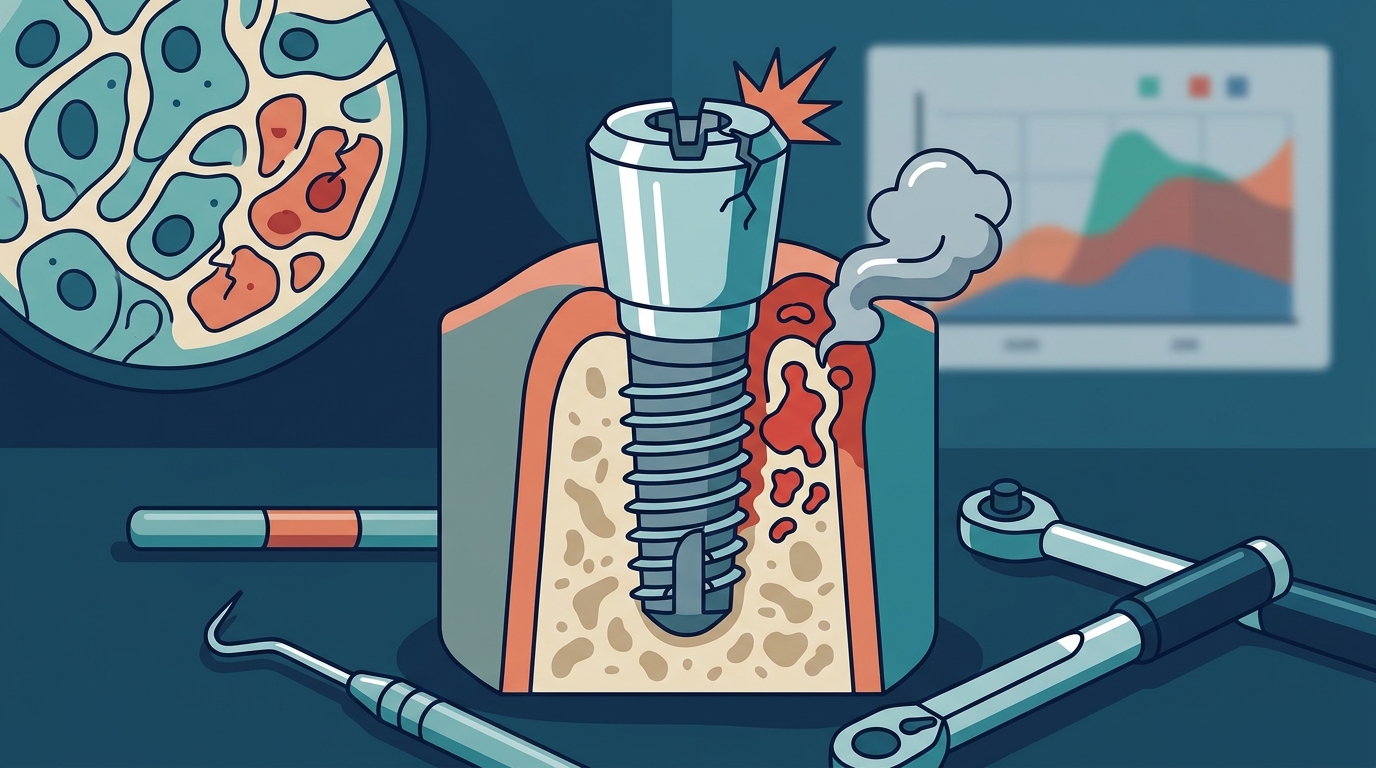
Biological failure is the most common reason implants do not last. This typically involves the body rejecting the implant or the surrounding tissues becoming infected. The most significant biological threat is peri-implantitis, which is an inflammatory condition affecting the soft and hard tissues around the implant. It functions similarly to periodontal disease but often progresses faster and with more severe bone loss.
Smoking is a critical risk factor that significantly increases the likelihood of biological failure. Nicotine constricts blood vessels, reducing the blood flow necessary for healing and immune response. Patients who smoke have a higher rate of early implant loss compared to non-smokers. Additionally, uncontrolled diabetes can impair the body's ability to fight off the bacteria that cause peri-implantitis.
At Park Avenue Oral, Maxillofacial & Implant Surgery, we screen patients for these risk factors during the initial consultation. We provide specific guidance on smoking cessation and blood sugar management to ensure the biological environment is optimal for healing.
Understanding Osseointegration Mechanics
Osseointegration is the direct structural and functional connection between living bone and the surface of a load-carrying implant. This process is not immediate; it requires a specific biological sequence where bone cells attach to the titanium surface. If this connection is weak or incomplete, the implant will not be stable enough to support a crown.
Several factors can disrupt this mechanical bonding. Insufficient bone density is a primary cause. If the jawbone is too porous or thin, it cannot provide the necessary grip for the implant. This is why we often recommend bone grafting before placement. Furthermore, the surface texture of the implant plays a role. Modern implants have roughened surfaces to encourage bone growth, but if the implant is placed too loosely, micromovement can prevent the bone from fusing.
We utilize CT-guided implant placement to ensure the implant is positioned in the densest part of the bone. This precision minimizes the risk of micromovement and maximizes the surface area available for osseointegration.
Mechanical Overload and Bite Forces
Mechanical failure occurs when the forces placed on the implant exceed the strength of the bone-implant interface. This is often referred to as overload. While natural teeth have ligaments that allow for slight movement, implants are rigidly fixed. This rigidity makes them more susceptible to fracture if subjected to excessive force.
Bruxism, or teeth grinding, is a major contributor to mechanical failure. Patients who grind their teeth at night exert forces that can be several times greater than normal chewing forces. This constant stress can lead to screw loosening or even fracture of the implant body. We often recommend night guards for patients with a history of bruxism to protect their investments.
Proper implant positioning is also crucial for distributing bite forces. If an implant is placed at an incorrect angle, it may bear more load than it was designed to handle. Our surgical planning ensures that implants are aligned to distribute forces evenly across the jaw.
The Role of Surgical Precision
Surgical technique is a decisive factor in long-term implant success. Even with ideal bone quality, a poorly executed placement can lead to failure. This includes issues such as overheating the bone during drilling, which can kill the bone cells necessary for healing. Precision in drilling depth and angulation is vital to avoid damaging nearby nerves or sinuses.
We employ Virtual Surgical Planning (VSP) to simulate the entire procedure before entering the operating room. This technology allows us to visualize the exact position of the implant relative to vital structures. By using 3D-printed surgical guides, we ensure that the implant is placed exactly as planned, reducing the risk of technical errors that could compromise osseointegration.
At Park Avenue Oral, Maxillofacial & Implant Surgery, our commitment to minimally invasive techniques helps preserve the surrounding bone and soft tissue. This approach reduces post-operative swelling and pain, creating a more favorable environment for healing.
Prevention and Long-Term Maintenance
Preventing implant failure requires a proactive approach to oral hygiene and regular professional care. Patients must maintain rigorous brushing and flossing routines to prevent the buildup of plaque around the implant. Specialized interdental brushes are often recommended to clean the areas that regular floss cannot reach.
Regular dental check-ups are essential for monitoring the health of the implant and surrounding tissues. Early detection of peri-implantitis allows for non-surgical treatment, such as professional cleaning and antimicrobial therapy. If left untreated, the condition can progress to bone loss and eventual implant loss. We schedule regular follow-ups to ensure your implants remain healthy for decades.
Choosing the right implant system is also important. We use best-in-class implants from manufacturers with a long track record of success. These implants are designed with surfaces that promote rapid and strong osseointegration, providing a solid foundation for your new teeth.
Key Takeaways
- Biological failure, such as peri-implantitis, is the leading cause of late implant loss.
- Smoking and uncontrolled diabetes significantly increase the risk of osseointegration failure.
- Mechanical overload from bruxism can cause screw loosening or implant fracture.
- Insufficient bone density prevents the bone from fusing properly with the implant.
- Virtual Surgical Planning and CT-guided placement reduce the risk of technical errors.
- Rigorous oral hygiene and regular professional maintenance are critical for long-term success.
Frequently Asked Questions
What is the most common cause of dental implant failure?
Peri-implantitis, an inflammatory condition affecting the tissues around the implant, is the most common cause of late-stage failure. It is often driven by poor oral hygiene and bacterial infection.
How does smoking affect dental implants?
Smoking reduces blood flow to the gums and jawbone, which impairs healing and increases the risk of infection. This makes osseointegration less likely and raises the chance of implant failure.
Can a dental implant fail after many years?
Yes, implants can fail years after placement. This is usually due to biological issues like peri-implantitis or mechanical issues like overload from grinding teeth.
What is osseointegration?
Osseointegration is the process where the jawbone fuses directly with the surface of the titanium implant, creating a stable anchor for the replacement tooth.
How can I prevent my dental implant from failing?
Maintain excellent oral hygiene, avoid smoking, manage conditions like diabetes, and attend regular dental check-ups. Using a night guard if you grind your teeth also helps prevent mechanical overload.