
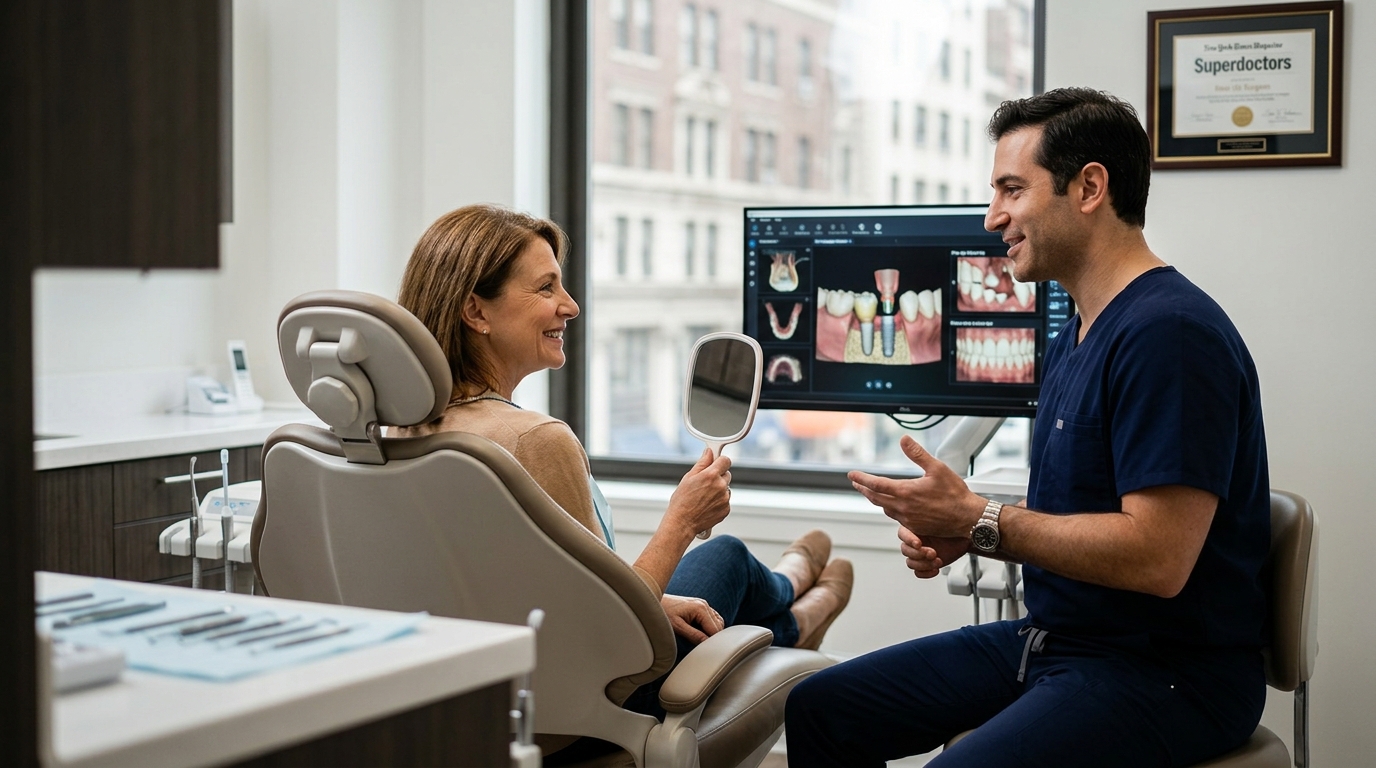
Dental implants are widely recognized as the gold standard for tooth replacement, offering a permanent solution that restores both function and aesthetics. However, understanding the potential risks is critical for any patient considering this procedure. According to recent clinical data, while implant success rates exceed 95% over ten years, complications such as peri-implantitis or nerve injury can occur in a small percentage of cases. At Park Avenue Oral, Maxillofacial & Implant Surgery, we prioritize transparent patient education to ensure you are fully informed before undergoing any surgical intervention. This guide details the specific risks associated with implant surgery, how advanced technology mitigates these dangers, and what you can expect during your recovery journey.
Infection and Healing Complications
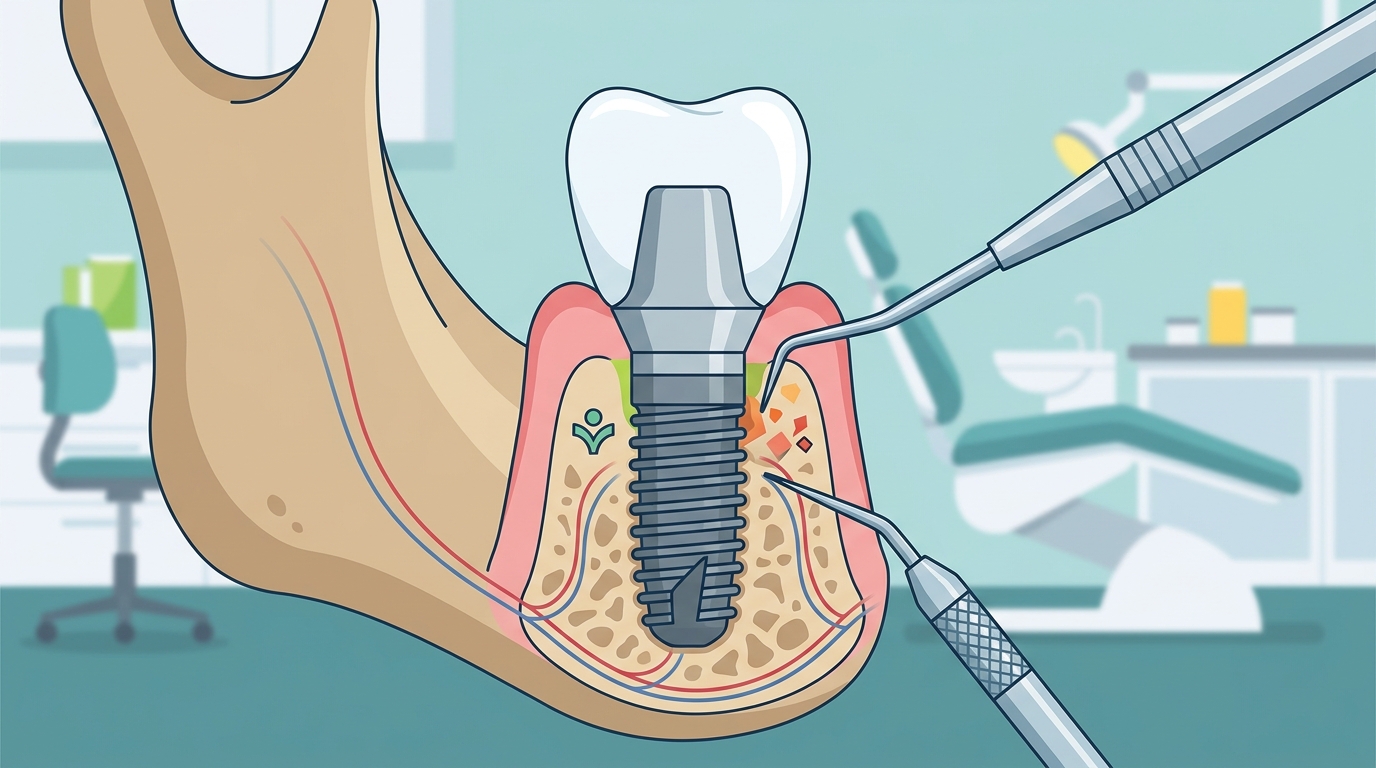
One of the most common concerns for patients is the risk of infection at the surgical site. Peri-implantitis, a condition similar to gum disease, can develop if bacteria accumulate around the implant post. This inflammatory process can lead to bone loss and eventual implant failure if left untreated. However, modern surgical protocols significantly reduce this risk. Our practice utilizes advanced sterilization techniques and minimally invasive approaches to minimize tissue trauma.
Proper post-operative care is equally vital. Patients are provided with detailed postoperative instructions that include guidelines on oral hygiene, diet, and medication. Adhering to these instructions ensures that the surgical site heals correctly. We also monitor healing closely during follow-up visits to catch any early signs of infection. Early intervention can prevent minor issues from becoming major complications.
Nerve Injury and Sensory Changes
Damage to the inferior alveolar nerve or the lingual nerve can result in temporary or permanent numbness, tingling, or pain in the lower lip, chin, tongue, or gums. This risk is higher in the lower jaw due to the proximity of these nerves to the tooth roots. To mitigate this, we employ CT guided Implant Placement technology. This 3D imaging allows for precise mapping of nerve locations before surgery begins.
By visualizing the exact anatomy of your jaw, Dr. Choi can plan the implant placement to avoid nerve structures entirely. This level of precision is a hallmark of our advanced technology suite. While nerve injury is rare with proper planning, it remains a known risk that patients must understand. In the vast majority of cases, any sensory changes are temporary and resolve within weeks or months as the nerve heals.
Sinus Complications in Upper Jaw Implants
For patients missing teeth in the upper jaw, the proximity to the sinus cavity presents unique challenges. Implants placed in the posterior maxilla may protrude into the sinus space, leading to sinusitis or infection. This is particularly common when there is insufficient bone height due to natural resorption after tooth loss.
A sinus lift procedure can address this by adding bone graft material to the upper jaw. This creates a solid foundation for the implant and keeps it safely below the sinus floor. Dr. Choi is experienced in performing sinus lifts and other bone grafting procedures to ensure optimal implant stability. Understanding your bone structure through 3D imaging is the first step in preventing sinus complications.
Implant Failure and Osseointegration
Osseointegration is the process by which the implant fuses with the jawbone. If this process fails, the implant will not be stable and must be removed. Risk factors for failure include smoking, uncontrolled diabetes, and poor oral hygiene. Smoking, in particular, restricts blood flow to the gums, significantly impairing healing.
At Park Avenue Oral, Maxillofacial & Implant Surgery, we assess your overall health and lifestyle during the consultation. We provide resources to help patients quit smoking before surgery to improve outcomes. Additionally, we use high-quality titanium implants that are biocompatible and designed for long-term durability. Our implant surgery protocols are designed to maximize the success of osseointegration.
Anesthesia Safety and Sedation Risks
While anesthesia is generally safe, it carries inherent risks such as allergic reactions, respiratory issues, or cardiovascular complications. Our practice prioritizes safe and comfortable anesthesia options tailored to each patient's needs. We offer IV sedation and nitrous oxide to ensure you are relaxed and pain-free during the procedure.
Before any anesthesia is administered, we conduct a thorough medical history review. This helps us identify any potential risks and adjust our approach accordingly. Dr. Choi and his team are trained in advanced airway management and emergency protocols. This ensures that your safety is maintained throughout the entire surgical process. We also utilize Exparel Extended Pain Relief to minimize post-operative pain, reducing the need for strong narcotics.
Risk Mitigation Strategies
Understanding how different factors influence implant success is crucial for informed decision-making. The table below outlines common risks and the specific strategies employed at Park Avenue Oral Surgery to mitigate them.
| Risk Factor | Impact on Outcome | Mitigation Strategy at Park Avenue Oral |
|---|---|---|
| Infection | Delayed healing, bone loss | Minimally invasive techniques and strict sterilization protocols |
| Nerve Injury | Numbness, tingling | CT guided Implant Placement for precise 3D mapping |
| Sinus Issues | Sinusitis, implant protrusion | Sinus lift procedures and bone grafting when necessary |
| Implant Failure | Loss of implant stability | Comprehensive health assessment and high-quality titanium implants |
| Anesthesia Risks | Adverse reactions | Thorough medical history review and advanced airway management |
Key Takeaways
- Dental implant success rates are high, but risks like infection and nerve injury exist.
- CT guided Implant Placement significantly reduces the risk of nerve damage by providing precise 3D anatomical maps.
- Sinus complications can be prevented through sinus lift procedures and careful bone assessment.
- Smoking and poor oral hygiene are major risk factors for implant failure.
- Exparel Extended Pain Relief is used to minimize post-operative pain and reduce narcotic use.
- Dr. Choi is a Fellow of the American College of Surgeons, ensuring high standards of care.
- Proper postoperative care is essential for successful healing and long-term implant stability.
Frequently Asked Questions
How long does it take for dental implants to heal?
Healing times vary by patient, but osseointegration typically takes 3 to 6 months. During this period, the implant fuses with the jawbone. Our postoperative instructions provide detailed guidance on what to expect during this phase.
Are dental implants safe for patients with diabetes?
Yes, but blood sugar levels must be well-controlled. Uncontrolled diabetes can increase the risk of infection and delay healing. Dr. Choi will evaluate your health status during the consultation to determine if you are a good candidate.
What is the success rate of dental implants?
Implant success rates are generally over 95% over ten years. Factors such as oral hygiene, smoking status, and overall health play significant roles in long-term success.
How is pain managed after implant surgery?
We use Exparel Extended Pain Relief and other targeted pain management strategies to minimize discomfort. Most patients report manageable pain levels with over-the-counter medication.
Can I get implants if I have gum disease?
Gum disease must be treated before implant placement. Active infection can compromise the implant's stability. Our team will address any periodontal issues as part of your comprehensive treatment plan.
What is Virtual Surgical Planning?
Virtual Surgical Planning (VSP) is a digital tool that allows us to simulate the surgery before it happens. This enhances precision and safety, particularly for complex cases involving maxillofacial surgery.
How do I choose the right oral surgeon for implants?
Look for a board-certified specialist with extensive experience and advanced technology. Dr. Choi's fellowship training and use of minimally invasive techniques set a high standard for patient care.
Contact Park Avenue Oral Surgery
Understanding the risks of dental implant surgery is the first step toward a successful outcome. At Park Avenue Oral, Maxillofacial & Implant Surgery, we are committed to providing safe, effective, and comfortable care. If you are considering dental implants, we invite you to schedule a consultation with Dr. Choi. Contact us at Park Avenue Oral Surgery to discuss your treatment options and take the first step toward a healthier smile.