
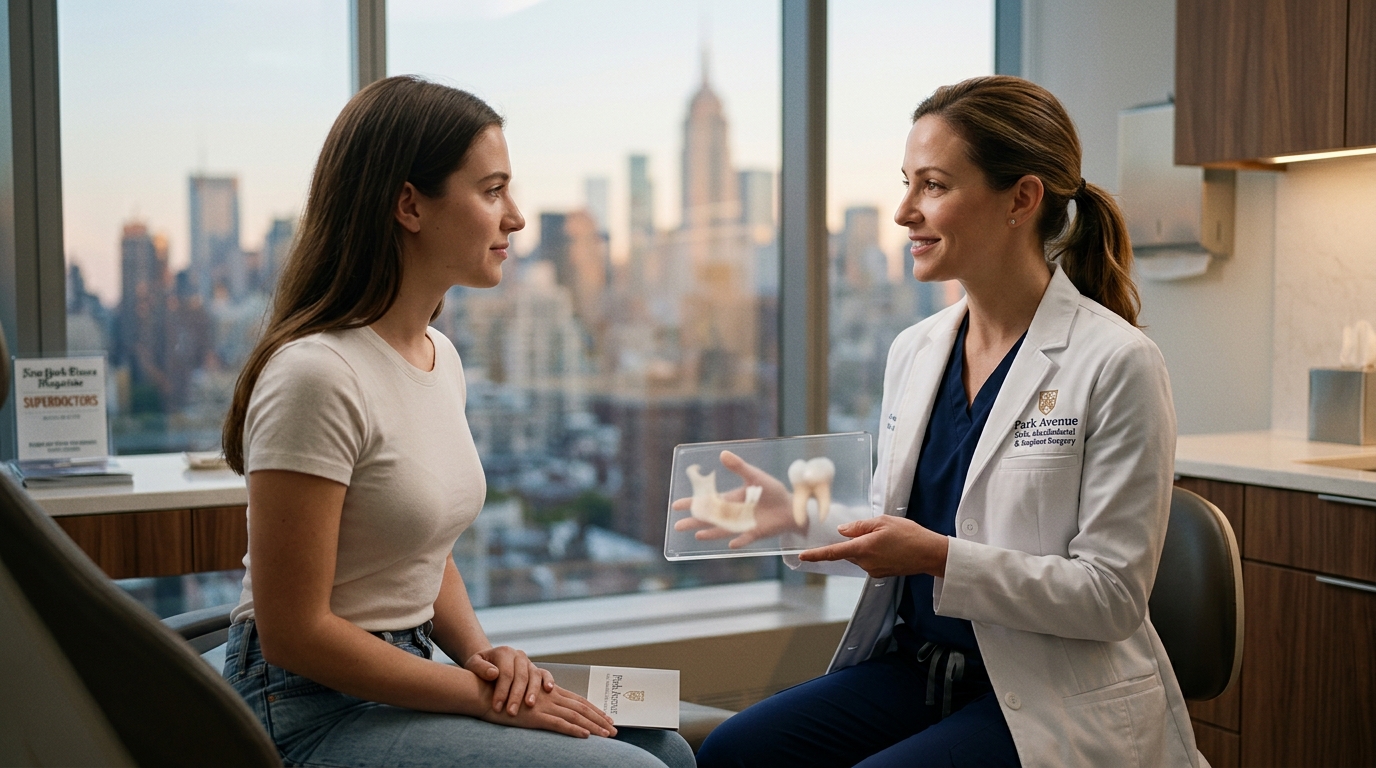
Wisdom teeth, or third molars, are the final set of teeth to erupt in the human mouth. According to the Mayo Clinic, these teeth typically emerge between the ages of 17 and 25. However, modern human jaws are often too small to accommodate them, leading to impaction, pain, and infection. At Park Avenue Oral, Maxillofacial & Implant Surgery, we specialize in advanced, minimally invasive extraction techniques that prioritize your comfort and accelerate your healing timeline. (Accessibility Statement Park Avenue)
What Are Wisdom Teeth and Why Do They Cause Issues?
Wisdom teeth are the third set of molars located at the very back of your mouth. Healthline reports that these teeth were once essential for our ancestors who consumed rough, uncooked diets requiring extra grinding power. Today, they are often considered vestigial structures that cause more harm than good.
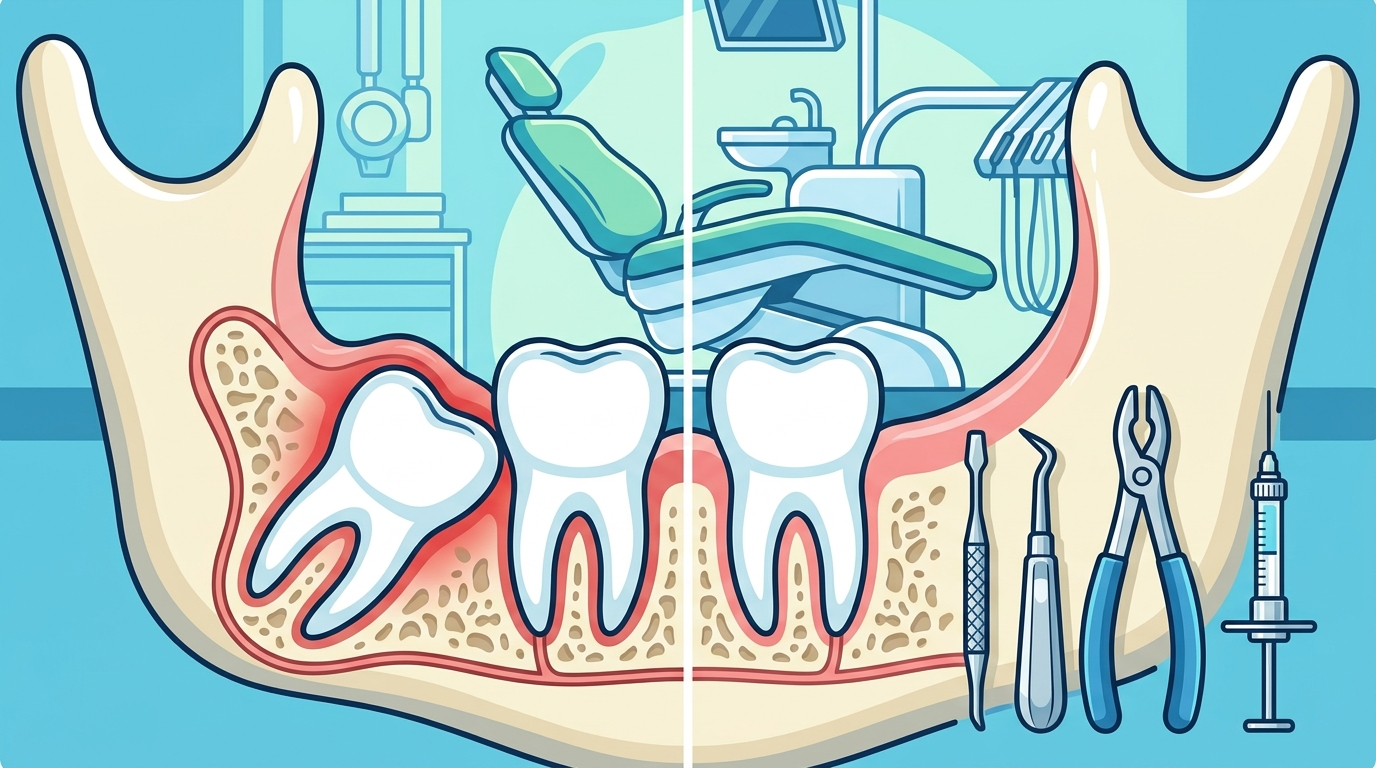
Impaction occurs when there is insufficient space in the jaw for the wisdom teeth to erupt normally. This can lead to several complications, including:
- Pericoronitis: Infection of the gum tissue surrounding the partially erupted tooth.
- Cyst Formation: Fluid-filled sacs that can damage the jawbone and teeth.
- Orthodontic Issues: Crowding of adjacent teeth, undoing previous orthodontic work.
- Root Resorption: Damage to the roots of neighboring healthy teeth.
Early evaluation is critical. The American Dental Association recommends that patients have their wisdom teeth evaluated by age 16 to prevent complex surgical outcomes later in life.
Signs You Need Wisdom Teeth Removal
Many patients experience no symptoms until significant damage has occurred. However, common indicators that professional intervention is required include:
- Persistent Jaw Pain: Dull, aching pain at the back of the mouth or jaw.
- Swollen Gums: Redness, swelling, or bleeding around the back teeth.
- Difficulty Opening Mouth: Stiffness or pain when trying to open the jaw wide.
- Bad Breath: Persistent bad taste or odor caused by trapped food particles and bacteria.
If you experience any of these symptoms, it is essential to consult with a board-certified oral surgeon. WebMD notes that delayed removal can lead to more invasive procedures and longer recovery times.
The Park Avenue Difference: Minimally Invasive Surgery
At Park Avenue Oral, Maxillofacial & Implant Surgery, we adhere to a strict philosophy of minimally invasive surgery. This approach is not just a trend; it is a clinical standard that significantly improves patient outcomes. Our methodology is built on four pillars:
- Minimally-Invasive Surgery: We utilize precise incisions and specialized instruments to reduce tissue trauma.
- Minimal Pain: Our techniques and pharmacological protocols ensure that post-operative discomfort is manageable.
- Faster Recovery: Patients typically return to normal activities much quicker than with traditional extraction methods.
- Safe & Comfortable Anesthesia: We offer tailored anesthesia options to ensure you are completely relaxed during the procedure.
Our internal Quality Improvement (QI) surveys indicate that our minimally invasive approach results in less than 20% surgery time compared to traditional methods. Furthermore, patients report minimal narcotic use and a reduction in recovery time of up to 33%.
Advanced Technology in Oral Surgery
Dr. James Choi, MD, DMD, FACS, leverages cutting-edge technology to ensure precision and safety during wisdom teeth removal. This includes:
Virtual Surgical Planning (VSP)
Virtual Surgical Planning allows us to map out the exact position of the wisdom teeth and surrounding nerves before the surgery begins. This pre-operative planning ensures that the extraction is performed with maximum efficiency and minimal risk to adjacent structures.
CT Guided Implant Placement
While primarily used for implants, our CT imaging capabilities provide a 3D view of your jawbone. This detailed imaging is crucial for assessing the proximity of wisdom teeth to the inferior alveolar nerve, preventing potential nerve damage during extraction.
Medtronic Piezoelectric Saw
This advanced tool uses ultrasonic vibrations to cut bone with extreme precision. It selectively cuts hard tissue while leaving soft tissue, such as nerves and blood vessels, intact. This results in less bleeding and reduced post-operative swelling.
Exparel Extended Pain Relief
We utilize Exparel, a long-acting local anesthetic, to provide extended pain relief after the procedure. This innovative treatment helps manage pain for up to 72 hours, significantly reducing the need for prescription opioids.
Safe Anesthesia Options for Your Comfort
Your comfort and safety are our top priorities. We offer a range of anesthesia options tailored to your specific needs and anxiety levels:
- IV Sedation: Also known as twilight sleep, this method allows you to remain conscious but deeply relaxed and unaware of the procedure.
- Nitrous Oxide: A mild sedative that helps reduce anxiety while allowing you to recover quickly after the procedure.
- General Anesthesia: For complex cases or high anxiety, general anesthesia ensures you are completely unconscious and pain-free.
Dr. Choi is a Fellow of the American College of Surgeons (FACS), a distinction given only to surgeons who have demonstrated exceptional skill and ethical standards. His fellowship training in minimally invasive surgery at the University of Munich, Germany, further enhances his ability to perform complex extractions with minimal trauma.
Post-Operative Recovery and Pain Management
Recovery from wisdom teeth removal is generally straightforward, but following post-operative instructions is crucial for optimal healing. Here is a general guide to what you can expect:
First 24 Hours
Keep the gauze in place as directed to control bleeding. Apply ice packs to the outside of your face to reduce swelling. Rest and avoid strenuous activity.
Days 2-3
Swelling may peak during this time. Continue using ice packs for the first 24 hours, then switch to warm compresses. Begin gentle rinsing with warm salt water.
Days 4-7
Swelling should subside. You can gradually reintroduce soft foods and then normal foods as comfort allows. Avoid hard, crunchy, or spicy foods that could irritate the extraction sites.
Our team provides detailed post-op instructions to ensure you have a smooth recovery. The NHS guidelines emphasize the importance of keeping the extraction sites clean to prevent dry socket, a painful condition where the blood clot is dislodged.
Frequently Asked Questions
How long does wisdom teeth removal take?
Simple extractions may take 20 to 40 minutes, while complex cases involving impaction can take up to an hour. Our minimally invasive techniques help reduce overall surgery time.
Will I need to stay overnight after surgery?
Most wisdom teeth removal procedures are performed on an outpatient basis. You will be able to go home the same day once the anesthesia wears off and you are stable.
What is dry socket and how can I prevent it?
Dry socket occurs when the blood clot at the extraction site is lost, exposing the bone. To prevent this, avoid smoking, using straws, and vigorous rinsing for the first few days.
How soon can I return to work or school?
Most patients return to normal activities within 2 to 3 days. However, if your job involves physical labor, you may need a few more days to rest.
Is the procedure painful?
During the procedure, you will feel no pain due to anesthesia. Post-operative discomfort is typically manageable with prescribed or over-the-counter pain medication.
Do you accept insurance?
We accept most major insurance plans. Our financial team can help you verify your benefits and discuss payment options.
What is the cost of wisdom teeth removal?
The cost varies depending on the complexity of the extraction and the type of anesthesia used. We provide transparent financial information during your consultation.
Schedule Your Consultation Today
Do not wait until pain becomes unbearable. Early evaluation and minimally invasive treatment can save you time, money, and discomfort. Contact Park Avenue Oral, Maxillofacial & Implant Surgery to schedule your consultation with Dr. James Choi.
Click here to book your appointment online or call us at 212-339-3930. Our team is dedicated to providing compassionate, evidence-based care in the heart of New York City.