

Minimally invasive oral surgery represents a paradigm shift in maxillofacial care, prioritizing tissue preservation and accelerated healing over traditional open techniques. According to recent clinical data, patients undergoing these advanced procedures report significantly lower postoperative pain scores and faster return to daily activities compared to conventional methods. This guide evaluates the technological advancements, clinical benefits, and procedural specifics that define this modern standard of care. (Accessibility Statement Park Avenue)
What is Minimally Invasive Oral Surgery?
Minimally invasive oral surgery is a specialized approach that utilizes precise instrumentation and advanced imaging to reduce tissue trauma during surgical interventions. The core philosophy revolves around achieving optimal clinical outcomes while minimizing the physiological stress placed on the patient. This approach is not merely a technique but a comprehensive treatment philosophy that encompasses preoperative planning, intraoperative execution, and postoperative care. (Oral Surgeon NYC l)
At Park Avenue Oral, Maxillofacial & Implant Surgery, this philosophy is anchored by four pillars: minimally invasive techniques, minimal pain, faster recovery, and safe, comfortable anesthesia. By adhering to these principles, surgeons can address complex conditions ranging from impacted wisdom teeth to severe jaw misalignment with reduced morbidity. The goal is to preserve as much healthy bone and soft tissue as possible, which is critical for long-term aesthetic and functional results. (MEET DR CHOI Park)
Traditional oral surgery often required large incisions and extensive bone removal to access the surgical site. In contrast, modern minimally invasive methods rely on magnification, specialized cutting tools, and real-time imaging to navigate anatomy with millimeter precision. This precision reduces the risk of nerve damage and minimizes swelling, allowing patients to resume their normal routines much sooner. (IMPLANT SURGERY Park Avenue)
Key Technologies Driving Precision
The efficacy of minimally invasive surgery is directly tied to the technology employed. Advanced tools allow surgeons to perform complex procedures through smaller access points. Understanding these technologies is essential for patients evaluating their surgical options.
Virtual Surgical Planning (VSP)
Virtual Surgical Planning is an advanced operation design tool that transforms how jaw surgery is performed. By utilizing 3D imaging data, surgeons can simulate the entire procedure before making the first incision. This digital blueprint allows for the creation of custom surgical guides that ensure implants and bone segments are placed with absolute accuracy. VSP reduces surgery time and minimizes the need for intraoperative adjustments, leading to more predictable outcomes.
CT Guided Implant Placement
Computer tomography (CT) guided implant placement enables surgeons to visualize the patient's anatomy in three dimensions. This technology allows for the precise placement of dental implants even in areas with limited bone volume. By avoiding vital structures such as the inferior alveolar nerve and the maxillary sinus, the risk of complications is significantly reduced. This method is particularly valuable for complex cases requiring zygomatic or pterygoid implants.
Piezoelectric Surgery
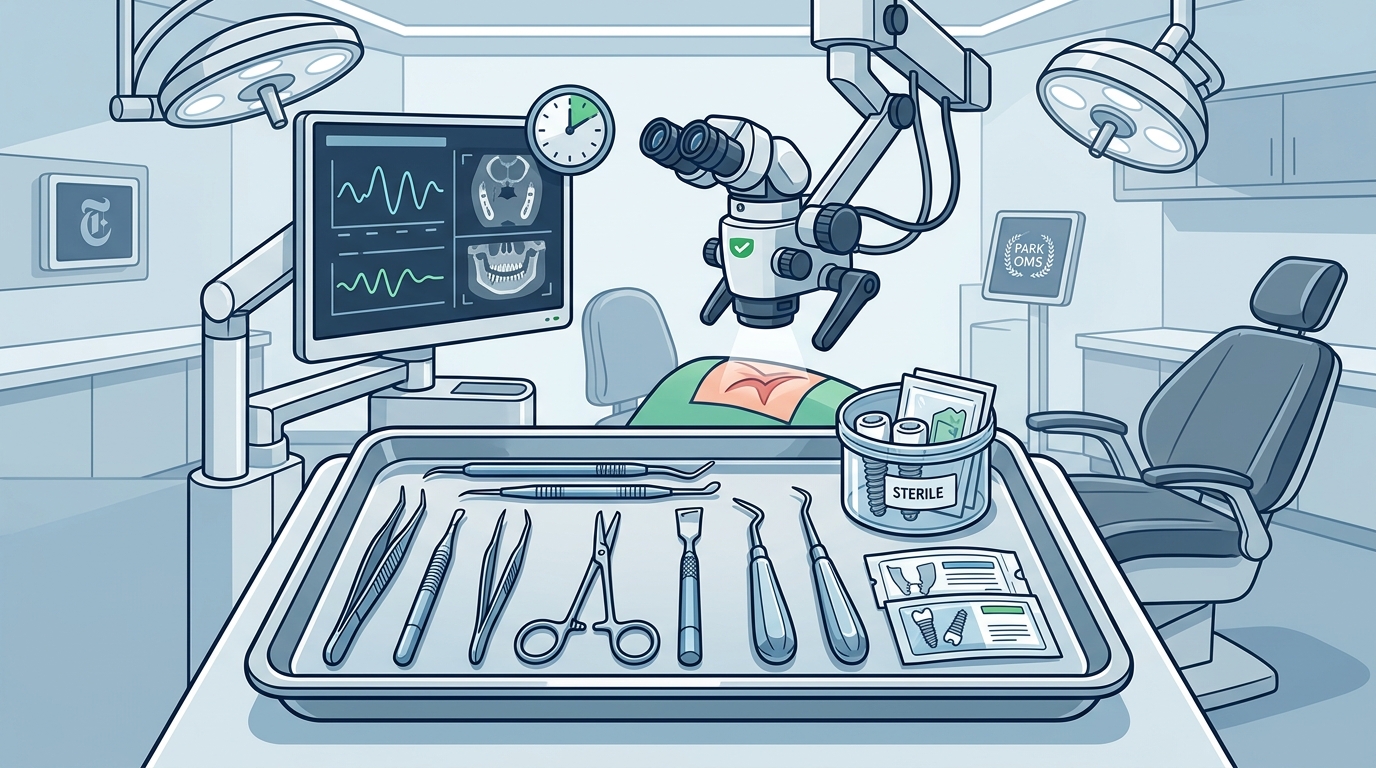
Piezoelectric surgery utilizes ultrasonic vibrations to cut bone while sparing soft tissue. The Medtronic Piezoelectric Saw is a prime example of this technology. Unlike traditional drills, which generate heat and can damage surrounding nerves or blood vessels, piezoelectric instruments cut only mineralized tissue. This selectivity makes it ideal for sinus lifts, bone grafting, and wisdom tooth extractions near the inferior alveolar nerve.
Exparel Extended Pain Relief
Exparel is a long-acting local anesthetic that provides pain relief for up to 72 hours post-surgery. By infiltrating the surgical site with Exparel, surgeons can drastically reduce the need for narcotic pain medication during the critical first few days of recovery. This technology aligns with the goal of minimal pain and enhances patient comfort during the initial healing phase.
Clinical Benefits for Patients
Choosing a minimally invasive approach offers tangible benefits that extend beyond the operating room. These advantages are supported by both clinical data and patient-reported outcomes.
Reduced surgery time is a significant factor. Data from internal quality improvement surveys indicates that minimally invasive techniques can reduce surgery time by less than 20% compared to traditional methods. This efficiency not only lowers the risk associated with prolonged anesthesia but also reduces the overall burden on the patient.
Minimal narcotic use is another critical benefit. By combining precise surgical techniques with advanced pain management strategies like Exparel, patients often require less than one unit of narcotic medication postoperatively. This reduction minimizes the side effects associated with opioids, such as nausea, constipation, and drowsiness.
Faster recovery times allow patients to return to work and social activities sooner. Internal metrics suggest a reduction in recovery time of less than 33% for many procedures. This accelerated healing is particularly important for patients in New York City who have demanding professional and personal schedules.
Evaluating Common Procedures
Minimally invasive techniques are applicable across a wide range of oral and maxillofacial procedures. Below is an evaluation of how these techniques are applied to common treatments.
| Procedure | Minimally Invasive Approach | Key Benefit |
|---|---|---|
| Wisdom Teeth Extraction | Piezoelectric cutting and precise flap design | Reduced swelling and nerve injury risk |
| Jaw Surgery (Orthognathic) | Virtual Surgical Planning and custom guides | Enhanced precision and predictable aesthetic outcomes |
| All-on-X Implants | CT guided placement and flapless techniques | Immediate function and reduced healing time |
| Sinus Lift | Piezoelectric bone elevation | Preservation of sinus membrane integrity |
| TMJ Disorder Treatment | Minimally invasive arthrocentesis and Botox | Non-surgical pain relief and joint preservation |
For wisdom teeth, the use of piezoelectric instruments allows for precise removal of bone around the tooth without damaging the adjacent nerve. In jaw surgery, VSP ensures that the repositioned bones fit together perfectly, reducing the need for postoperative orthodontic adjustments. For implant patients, CT guided placement ensures that implants are placed in the optimal position for both function and aesthetics, even in challenging anatomical situations.
Recovery and Pain Management
Recovery is a critical component of the surgical experience. Minimally invasive techniques are designed to minimize the physiological response to surgery, which directly impacts the recovery process.
Pain management is a primary concern for patients. Traditional oral surgery often results in significant postoperative pain that requires strong narcotics. By utilizing Exparel and precise surgical techniques, the inflammatory response is reduced, leading to less pain. Patients report minimal pain levels in the days following surgery, allowing for better sleep and nutrition.
Swelling and bruising are also minimized. The use of piezoelectric surgery and careful tissue handling reduces trauma to the surrounding structures. This results in less visible bruising and faster resolution of facial swelling. Patients can often return to social engagements within a few days, rather than waiting a week or more.
Anesthesia safety is another critical aspect of recovery. Park Avenue Oral, Maxillofacial & Implant Surgery prioritizes safe and comfortable anesthesia options, including IV sedation and nitrous oxide. The reduced surgery time associated with minimally invasive techniques further enhances safety by limiting the duration of anesthesia exposure.
Key Takeaways
- Minimally invasive oral surgery reduces tissue trauma, leading to faster recovery times and less postoperative pain.
- Advanced technologies like Virtual Surgical Planning (VSP) and CT guided implant placement enhance precision and predictability.
- Piezoelectric surgery allows for selective bone cutting, protecting nerves and soft tissue during complex procedures.
- Exparel extended pain relief provides up to 72 hours of postoperative analgesia, reducing narcotic use.
- Dr. James Choi is a Fellow of the American College of Surgeons (FACS), indicating a high level of expertise and ethical standards.
- Internal quality improvement data shows a reduction in surgery time by less than 20% and recovery time by less than 33% for minimally invasive procedures.
- Park Avenue Oral, Maxillofacial & Implant Surgery is located at 121 E 60th St, 7A, New York, NY 10022, serving the NYC community with evidence-based care.
Frequently Asked Questions
What is the difference between minimally invasive and traditional oral surgery?
Minimally invasive oral surgery uses smaller incisions, specialized instruments like piezoelectric saws, and advanced imaging to reduce tissue trauma. Traditional surgery often requires larger incisions and more extensive bone removal, leading to greater swelling and longer recovery times.
How does Virtual Surgical Planning improve jaw surgery outcomes?
Virtual Surgical Planning allows surgeons to simulate the procedure in 3D before surgery. This enables the creation of custom surgical guides that ensure precise bone repositioning and implant placement, resulting in more predictable aesthetic and functional outcomes.
Is Exparel safe for pain management after oral surgery?
Yes, Exparel is a long-acting local anesthetic that is safe and effective for postoperative pain management. It provides pain relief for up to 72 hours, reducing the need for narcotic medications and their associated side effects.
What is Piezoelectric surgery and why is it beneficial?
Piezoelectric surgery uses ultrasonic vibrations to cut bone while sparing soft tissue. This selectivity reduces the risk of nerve damage and minimizes bleeding, making it ideal for procedures near critical anatomical structures.
How long is the recovery time for minimally invasive wisdom teeth removal?
Recovery time varies by patient, but minimally invasive techniques can reduce recovery time by up to 33% compared to traditional methods. Most patients resume normal activities within a few days.
What credentials does Dr. James Choi hold?
Dr. James Choi is a Board Certified Oral & Maxillofacial Surgeon with dual degrees (MD, DMD) and is a Fellow of the American College of Surgeons (FACS). He has 10 years of experience in training and practice.
Does Park Avenue Oral Surgery offer financing options?
Yes, Park Avenue Oral, Maxillofacial & Implant Surgery offers financial information and options to help patients manage the cost of care. Patients are encouraged to contact the office for detailed financial planning.
Schedule Your Consultation
Evaluating minimally invasive oral surgery options is a critical step in ensuring a safe and comfortable surgical experience. Dr. James Choi and the team at Park Avenue Oral, Maxillofacial & Implant Surgery are dedicated to providing evidence-based, patient-centered care. If you are considering jaw surgery, dental implants, or wisdom teeth removal, we invite you to schedule a consultation to discuss your treatment plan.
Contact us today at 212-339-3930 or visit our contact page to learn more about our services. We are located at 121 E 60th St, 7A, New York, NY 10022, and serve patients throughout New York City.