

Temporomandibular joint disorders affect approximately 10 million Americans annually, with a significant portion seeking specialized care in major metropolitan hubs like New York City. According to the American Dental Association, nearly 12% of the population experiences some form of jaw dysfunction, making it one of the most common reasons for orofacial pain complaints. For residents in the Upper East Side and surrounding boroughs, understanding the nuanced difference between simple muscle tension and structural joint pathology is the first step toward lasting relief. This guide outlines the diagnostic pathways, therapeutic options, and preventive strategies available at Park Avenue Oral Surgery.
Recognizing Symptoms and Diagnostic Protocols
Temporomandibular joint disorders, often abbreviated as TMD or TMJ, involve the complex hinge mechanism connecting your jawbone to your skull. TMJ is a condition characterized by pain and dysfunction in the jaw joint and the muscles that control jaw movement. Patients frequently report symptoms that extend beyond the immediate jaw area, including chronic headaches, earaches, and even neck stiffness. Ignoring these early warning signs can lead to progressive joint degeneration and increased treatment complexity.
At Park Avenue Oral Surgery, our diagnostic process begins with a comprehensive clinical evaluation. We utilize advanced imaging technologies, including cone-beam computed tomography (CBCT) and magnetic resonance imaging (MRI), to visualize both the bony structures and soft tissues of the joint. This precise imaging allows us to identify issues such as disc displacement, arthritis, or fractures that are not visible during a standard visual exam. Early and accurate diagnosis is critical for determining the appropriate treatment pathway.
Non-Surgical and Surgical Treatment Modalities
Treatment for TMJ disorders is highly individualized. The majority of cases can be managed effectively with conservative, non-surgical approaches. However, severe cases involving structural damage or chronic pain may require surgical intervention. Our team evaluates each patient's specific anatomy and symptom severity to recommend the least invasive yet most effective solution.
Conservative Therapies
Initial treatment often involves a combination of physical therapy, medication, and lifestyle modifications. Physical therapy focuses on strengthening the jaw muscles and improving range of motion. Medications may include nonsteroidal anti-inflammatory drugs (NSAIDs) to reduce pain and swelling, or muscle relaxants to alleviate spasms. Patients are also advised to avoid hard or chewy foods and to practice stress management techniques, as clenching and grinding (bruxism) are major contributors to TMJ exacerbation.
Surgical Interventions
When conservative measures fail, surgical options become necessary. Arthroscopy is a minimally invasive procedure that allows surgeons to diagnose and treat problems inside the joint using a small camera. This technique offers faster recovery times compared to open-jaw surgery. In cases of severe joint damage, open-jaw surgery may be required to repair or reconstruct the joint. Park Avenue Oral Surgery specializes in these complex procedures, ensuring patient safety and optimal functional outcomes.
The Role of Custom Oral Appliances
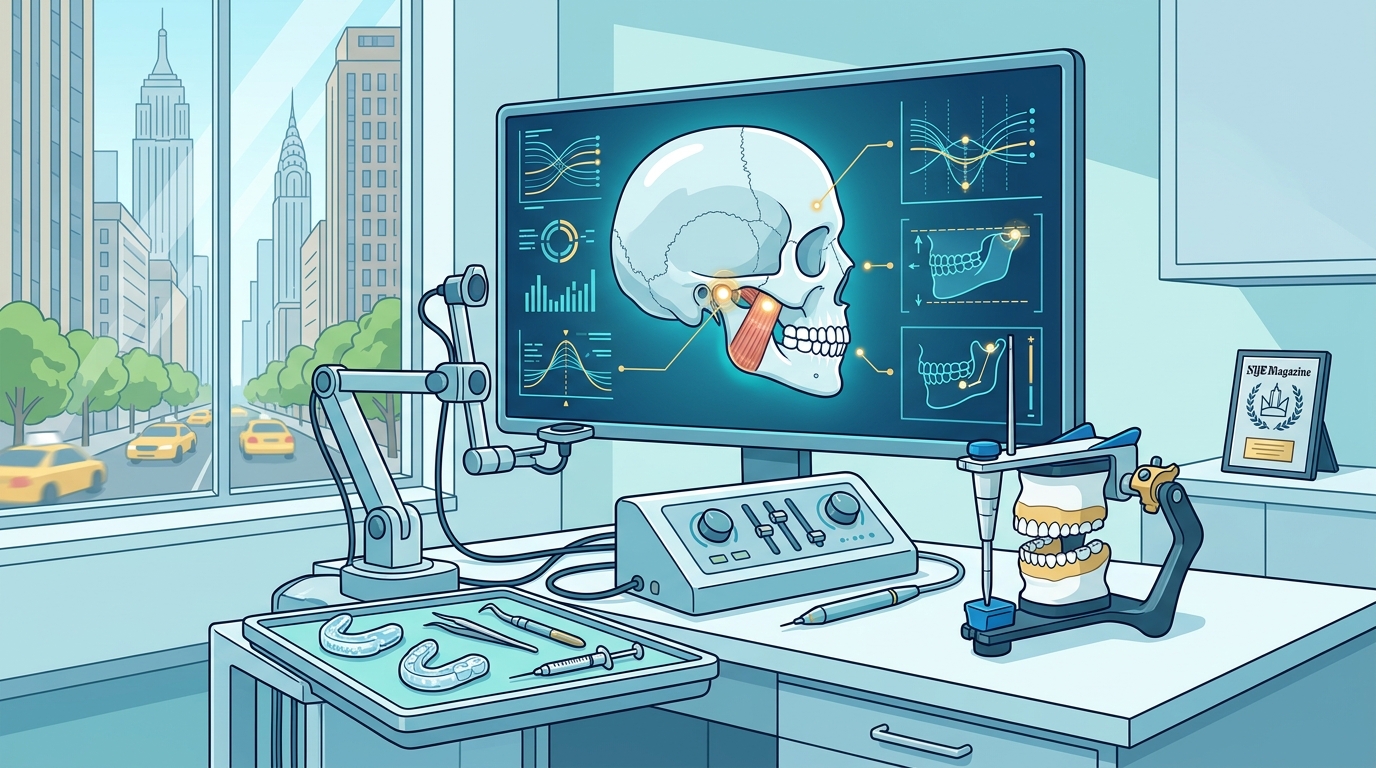
Custom-fitted oral appliances, often referred to as splints or night guards, are a cornerstone of TMJ management. Unlike over-the-counter options, custom appliances are fabricated from precise impressions of your teeth, ensuring a perfect fit that aligns your jaw correctly. Oral appliances are devices worn in the mouth to reposition the jaw and reduce pressure on the temporomandibular joint. They help to relax the muscles, reduce grinding, and protect the teeth from wear.
At Park Avenue Oral Surgery, we design these appliances using state-of-the-art digital scanning technology. This eliminates the discomfort of traditional putty impressions and allows for greater precision in the fit. The goal is to achieve a stable jaw position that minimizes strain on the joint and surrounding muscles. Regular adjustments may be necessary as your symptoms improve, ensuring continued effectiveness.
Minimally Invasive Joint Procedures
For patients with internal derangement of the joint, such as a displaced disc, arthrocentesis offers a highly effective solution. This procedure involves the irrigation of the joint space with sterile saline to remove inflammatory mediators and debris. Arthrocentesis is a technique that flushes out the joint space to reduce inflammation and improve mobility. It is often combined with the injection of hyaluronic acid or platelet-rich plasma (PRP) to promote healing and reduce pain.
This procedure is typically performed in our office under local anesthesia. Patients can usually return to normal activities within a day or two. The success rate for arthrocentesis is high, with many patients experiencing significant relief from pain and improved jaw function. Our surgeons are experts in these minimally invasive techniques, ensuring the safest and most comfortable experience possible.
Post-Treatment Recovery and Care
Recovery from TMJ treatment varies depending on the procedure performed. For non-surgical treatments, patients may experience temporary soreness that resolves within a few days. Surgical patients require a more structured recovery plan, including a soft-food diet and specific jaw exercises. Recovery involves adhering to post-operative instructions to ensure proper healing and prevent complications. Our team provides detailed written instructions and is available for follow-up consultations to monitor progress.
Long-term management of TMJ disorders often requires lifestyle changes. Patients are encouraged to maintain good posture, manage stress, and avoid habits that strain the jaw. Regular check-ups with our oral surgery team can help monitor the condition and make necessary adjustments to the treatment plan. By working together, we can achieve lasting relief and improve your quality of life.
Key Takeaways
- Prevalence: TMJ disorders affect a significant portion of the population, with 10 million Americans seeking care annually.
- Diagnosis: Advanced imaging like CBCT and MRI is essential for accurate diagnosis of joint pathology.
- Treatment Hierarchy: Conservative therapies are the first line of defense, with surgery reserved for severe cases.
- Custom Appliances: Professionally fabricated oral appliances provide superior alignment and protection compared to over-the-counter options.
- Minimally Invasive Options: Arthrocentesis offers a quick recovery with high success rates for internal derangement.
- Expert Care: Park Avenue Oral Surgery specializes in complex TMJ cases, offering comprehensive care from diagnosis to recovery.
- Lifestyle Impact: Stress management and posture correction are critical components of long-term TMJ health.
Frequently Asked Questions
How do I know if my jaw pain is TMJ?
If you experience jaw pain, clicking, or locking, along with headaches or earaches, it is likely TMJ. A clinical evaluation by an oral surgeon can confirm the diagnosis.
Is TMJ treatment covered by insurance?
Many insurance plans cover diagnostic imaging and certain treatments for TMJ. Park Avenue Oral Surgery can help verify your benefits and provide detailed cost estimates.
What is the difference between arthroscopy and open surgery?
Arthroscopy is minimally invasive with a faster recovery, while open surgery is used for severe structural damage. Your surgeon will recommend the best option based on your specific condition.
Can stress cause TMJ disorders?
Yes, stress often leads to clenching and grinding, which exacerbates TMJ symptoms. Stress management techniques are a key part of treatment.
How long does it take to recover from TMJ surgery?
Recovery varies, but most patients return to normal activities within a few days to a week after minimally invasive procedures. Open surgery may require a longer recovery period.
Are custom oral appliances comfortable?
Custom appliances are designed for comfort and fit. They are typically more comfortable and effective than over-the-counter alternatives.
Can TMJ disorders be cured?
While TMJ disorders may not always be "cured" in the traditional sense, they can be effectively managed to eliminate pain and restore function.
Schedule Your Consultation
If you are suffering from jaw pain, clicking, or locking, do not wait for the condition to worsen. Early intervention is key to preventing long-term damage. Park Avenue Oral Surgery offers comprehensive TMJ evaluation and treatment in the heart of New York City. Our team of experienced oral surgeons is dedicated to providing personalized care and achieving optimal outcomes for every patient.
Contact us today to schedule your consultation. We are located conveniently on Park Avenue, serving patients from all five boroughs and beyond. Take the first step toward pain-free living and improved quality of life. Click here to book your appointment online or call our office directly. Your journey to relief starts with a single conversation.