

Missing a tooth or experiencing severe oral pain in Manhattan is not just uncomfortable; it is a medical urgency that demands immediate professional intervention. According to the American Association of Oral and Maxillofacial Surgeons, over 3 million teeth are permanently removed each year in the United States, with a significant portion of these cases stemming from acute emergencies that could have been mitigated with timely care. In a high-density urban environment like New York City, the gap between symptom onset and professional treatment can exacerbate infection risks and increase long-term recovery times. This guide outlines the critical protocols for handling dental emergencies, the specific surgical interventions offered by Park Avenue Oral Surgery, and how to navigate the complex landscape of NYC healthcare providers to find the right specialist for your needs.
Understanding Dental Emergencies
Dental emergencies are defined by the severity of pain, the risk of infection, and the potential for permanent tissue damage. Not all toothaches require surgical intervention, but certain conditions do. A fractured tooth with exposed nerves, a knocked-out permanent tooth, or a spreading abscess are classified as critical events requiring immediate attention. The definition of a dental emergency is a condition that involves active bleeding, severe pain, or trauma that threatens the structural integrity of the jaw or surrounding tissues.
In New York City, the proximity to advanced medical facilities is a significant advantage. However, the volume of patients means that wait times can vary drastically depending on the provider's capacity. Park Avenue Oral Surgery specializes in high-acuity cases that general dentists may not be equipped to handle immediately. Understanding the distinction between a routine cleaning issue and a surgical emergency is the first step in securing appropriate care. Patients should seek immediate evaluation if they experience swelling that affects breathing or swallowing, as this indicates a spreading infection that requires systemic antibiotic treatment and possible drainage.
Common Surgical Interventions
Park Avenue Oral Surgery in Manhattan provides a comprehensive suite of surgical services designed to address both acute emergencies and complex elective procedures. The clinic's expertise lies in managing the oral and maxillofacial region, which includes the teeth, jaws, and surrounding structures. Below are the primary surgical interventions relevant to emergency and urgent care scenarios.
Wisdom Tooth Extraction
Impacted wisdom teeth are a frequent source of pain and infection in young adults. When a third molar fails to erupt fully, it can create a pocket for bacteria to accumulate, leading to pericoronitis. The definition of an impacted tooth is one that has failed to emerge completely through the gum line within the expected developmental timeframe. Surgical removal often requires sectioning the tooth and removing bone to access the root structure safely.
Complex Tooth Extractions
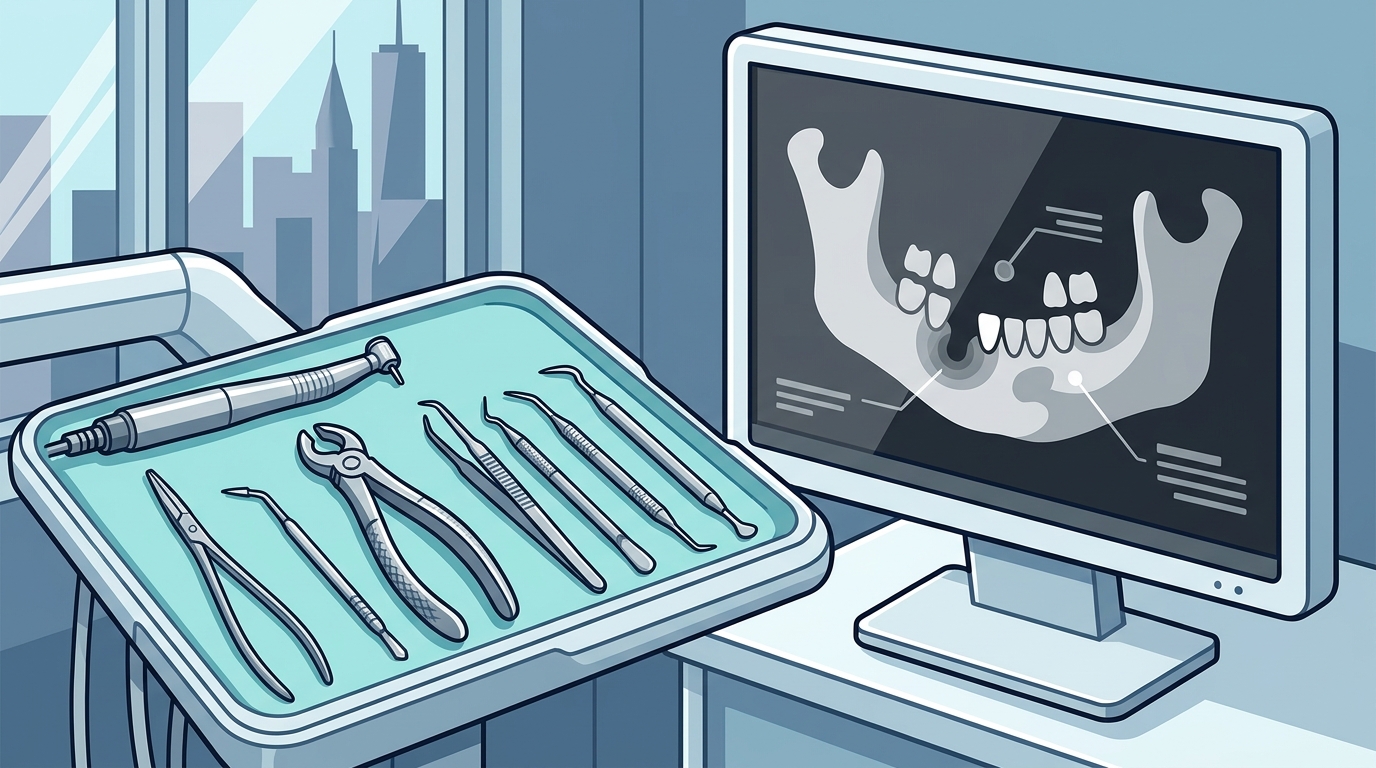
Not all extractions are straightforward. Teeth that are fractured at the gum line, have curved roots, or are fused to the bone require advanced surgical techniques. These procedures often involve raising a mucoperiosteal flap to visualize the root structure and ensure complete removal without damaging adjacent nerves. The definition of a surgical extraction is a tooth removal that requires incision into the gum tissue and/or removal of bone to access the tooth.
Implant Placement and Bone Grafting
Following an emergency extraction, preserving the jawbone is critical for future restorative options. Bone grafting involves placing graft material into the extraction site to stimulate new bone growth. This procedure is often performed simultaneously with implant placement or as a standalone treatment to prepare the site for future prosthetics. The definition of a bone graft is the transplantation of bone or bone-like material to repair and reconstruct skeletal defects.
Choosing the Right Specialist
Selecting the correct provider for oral surgery in NYC requires evaluating credentials, experience, and facility capabilities. Oral surgeons are dentists who have completed additional years of hospital-based surgical residency training. This specialized training allows them to administer deep sedation and general anesthesia, which is crucial for patient comfort during complex procedures. The definition of an oral and maxillofacial surgeon is a dental specialist who diagnoses, treats, and performs surgery on the hard and soft tissues of the mouth, jaw, and face.
When evaluating providers, consider the following factors:
- Credentials: Verify board certification and hospital privileges.
- Technology: Look for clinics utilizing 3D imaging (CBCT) for precise surgical planning.
- Anesthesia Options: Ensure the facility is equipped to manage various levels of sedation safely.
- Location: Proximity to your home or workplace in Manhattan can impact follow-up care accessibility.
Park Avenue Oral Surgery leverages advanced diagnostic tools to minimize surgical risk. By utilizing cone-beam computed tomography (CBCT), surgeons can visualize the exact position of nerves and sinuses before making an incision. This level of precision reduces the likelihood of complications and accelerates the healing process. According to data from the Journal of Oral and Maxillofacial Surgery, the use of 3D imaging significantly reduces the incidence of inferior alveolar nerve injury during lower wisdom tooth extractions.
Insurance and Cost Considerations
Understanding the financial aspect of oral surgery is essential for planning. Costs vary based on the complexity of the procedure, the type of anesthesia used, and the patient's insurance coverage. Most dental insurance plans cover a portion of surgical extractions, particularly when deemed medically necessary. However, coverage for implant placement and bone grafting can be limited or excluded entirely.
Patients should verify their benefits prior to treatment. Park Avenue Oral Surgery offers transparent pricing and flexible payment options to manage the financial burden of care. The clinic works with major insurance providers and offers third-party financing through CareCredit to make high-quality surgical care accessible. The definition of a deductible is the amount of money a patient must pay out-of-pocket before their insurance coverage begins to apply.
Cost Comparison of Common Procedures
| Procedure | Typical Cost Range | Insurance Coverage | Recovery Time |
|---|---|---|---|
| Simple Extraction | $150 - $300 | Often Covered | 1-2 Weeks |
| Surgical Extraction (Impacted) | $300 - $800 | Partially Covered | 1-2 Weeks |
| Wisdom Tooth Removal (All 4) | $1,500 - $3,000 | Varies by Plan | 1-2 Weeks |
| Dental Implant Placement | $1,500 - $3,000 | Limited Coverage | 3-6 Months (Osseointegration) |
| Bone Grafting | $300 - $1,200 | Varies by Plan | 4-6 Months (Healing) |
Post-Operative Recovery Protocols
Proper post-operative care is critical for successful healing and the prevention of complications such as dry socket or infection. Patients must adhere strictly to the instructions provided by their surgeon. The definition of dry socket is a painful condition that occurs when the blood clot at the extraction site is dislodged or dissolves before the wound has healed.
Immediate Care Steps
- Bleeding Management: Bite firmly on the gauze pad for 30-45 minutes. If bleeding persists, use a moist tea bag.
- Swelling Control: Apply ice packs to the cheek for 20 minutes on, 20 minutes off, for the first 24 hours.
- Pain Management: Take prescribed pain medication or over-the-counter analgesics as directed before the anesthesia wears off.
Dietary Restrictions
For the first 24 hours, consume only cool, soft foods such as yogurt, pudding, and smoothies. Avoid hot liquids, which can increase swelling and dislodge clots. After 24 hours, gradually introduce semi-soft foods. The definition of a soft diet is a diet consisting of foods that are easy to chew and swallow, requiring minimal mastication.
Activities to Avoid
Do not smoke or use tobacco products for at least 72 hours, as nicotine impairs blood flow and delays healing. Avoid vigorous exercise for the first few days to prevent increased blood pressure and bleeding. Do not rinse your mouth vigorously for the first 24 hours. Gentle salt water rinses can begin after the first day to keep the area clean.
Key Takeaways
- Immediate Action: Dental emergencies require prompt evaluation to prevent infection spread and tissue damage.
- Specialist Expertise: Oral surgeons possess advanced training in anesthesia and complex surgical techniques.
- Technology Matters: 3D imaging (CBCT) enhances surgical precision and reduces nerve injury risks.
- Financial Planning: Verify insurance benefits and explore financing options like CareCredit before treatment.
- Recovery Care: Adhering to post-op instructions, especially regarding bleeding and diet, is crucial for healing.
- Prevention: Regular dental checkups can identify potential issues before they become emergencies.
- Location Advantage: Park Avenue Oral Surgery offers convenient access to high-quality care in Manhattan.
Frequently Asked Questions
What constitutes a dental emergency?
A dental emergency includes severe tooth pain, knocked-out teeth, fractured teeth, lost fillings or crowns, and abscesses. These conditions require immediate professional attention to alleviate pain and prevent further damage.
How quickly should I see an oral surgeon for an emergency?
You should seek care as soon as possible. For knocked-out teeth, immediate re-implantation or storage in milk/saline is critical. For infections with swelling, prompt evaluation is necessary to prevent systemic spread.
Does Park Avenue Oral Surgery accept emergency patients?
Yes, the clinic prioritizes emergency cases. Patients should call the office immediately to schedule an urgent appointment. Same-day appointments are often available for acute pain and trauma.
What anesthesia options are available for oral surgery?
Park Avenue Oral Surgery offers local anesthesia, nitrous oxide (laughing gas), IV sedation, and general anesthesia. The choice depends on the complexity of the procedure and the patient's anxiety level.
How long is the recovery time for wisdom tooth removal?
Initial recovery typically takes 3-7 days, with swelling and discomfort subsiding significantly within the first week. Full healing of the gum tissue may take several weeks, while bone healing takes months.
Can I drive home after IV sedation?
No, patients must have a responsible adult drive them home and stay with them for the first 24 hours after IV sedation or general anesthesia due to impaired judgment and reflexes.
What should I do if I experience dry socket?
If you experience severe pain a few days after extraction, contact your surgeon immediately. Dry socket requires professional cleaning and the placement of a medicated dressing to promote healing and relieve pain.
Contact Park Avenue Oral Surgery
If you are experiencing a dental emergency or need to schedule a consultation for oral surgery, Park Avenue Oral Surgery is here to help. Our team of experienced surgeons is dedicated to providing compassionate, high-quality care in the heart of Manhattan. We invite you to schedule your appointment online or call our office directly to discuss your needs. For more information about our services, visit our services page or read our patient education blog. We are committed to restoring your oral health and confidence with precision and care.