

What to Expect During a Minimally Invasive Dental Implant Procedure
Minimally invasive dental implant procedures use advanced digital planning and precise surgical tools to place implants with less tissue trauma and faster healing. At Park Avenue Oral, Maxillofacial & Implant Surgery, we combine CT-guided placement and piezoelectric technology to ensure accuracy and comfort. This approach reduces post-operative swelling and allows patients to return to normal activities more quickly than traditional methods.
The Role of Digital Planning in Precision
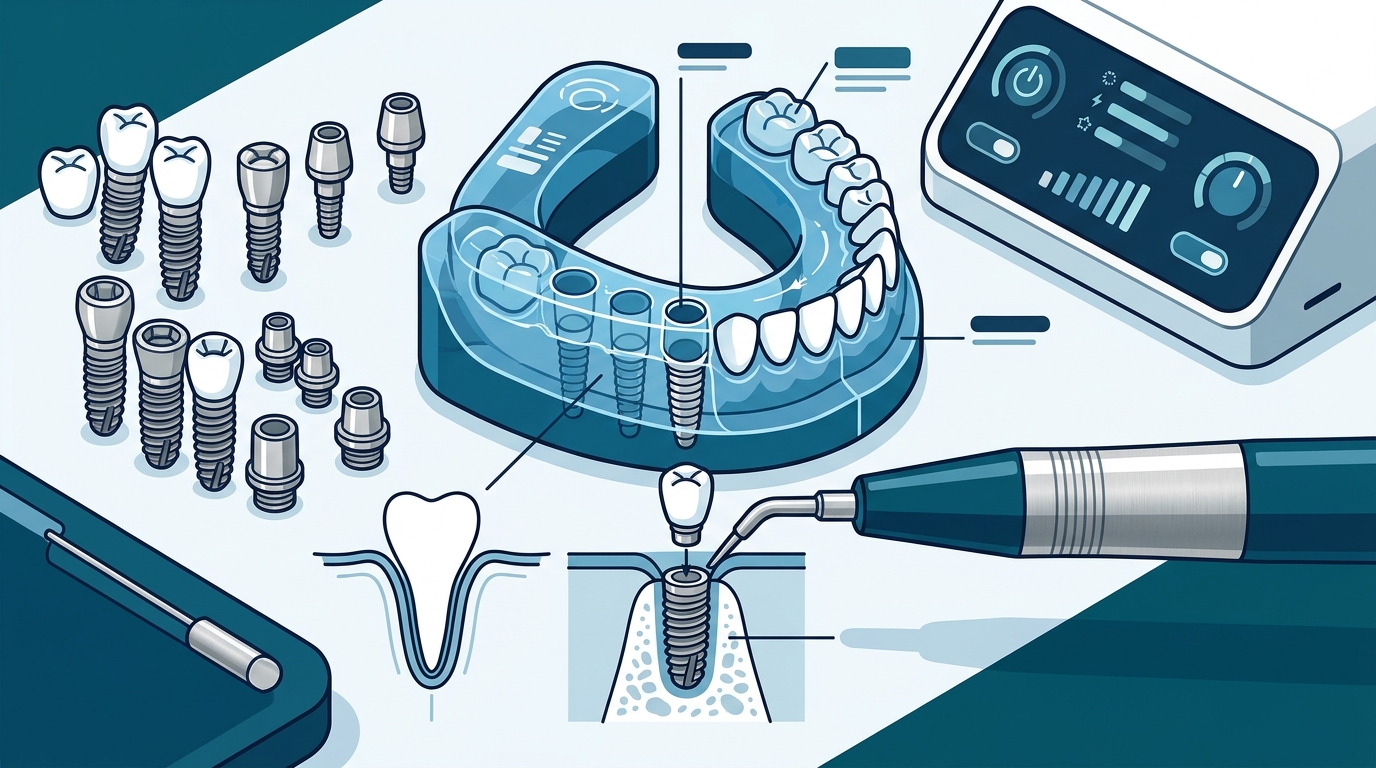
Before any incision is made, the surgical team relies on detailed 3D imaging to map your unique anatomy. CT-guided implant placement is a modern technique that uses a 3D CT scan to create a virtual model of your mouth. This allows the surgeon to plan the exact position, angle, and depth for each implant before entering the operating room. By visualizing critical structures like nerves and sinuses, the team can avoid complications and ensure the implant is placed in the ideal position for long-term strength.
This digital blueprint translates into physical guides that direct the surgical instruments during the procedure. The result is a more predictable outcome and a shorter procedure time. For patients, this means less time under anesthesia and a more controlled surgical experience.
Advanced Tools for Tissue Preservation
Traditional drills can generate heat and vibrate, which may damage surrounding soft tissues. In contrast, minimally invasive techniques utilize piezoelectric surgery, a method that uses ultrasonic vibrations to cut bone while leaving gums, nerves, and blood vessels untouched. The Medtronic Piezoelectric Saw, for example, allows for extremely accurate cuts with reduced bleeding and minimal trauma. This selectivity for hard tissue over soft tissue is a key factor in reducing post-operative discomfort.
Another advanced instrument is the Stryker Sonopet, an ultrasonic aspirator that emulsifies and removes bone while sparing adjacent structures. These tools provide excellent tactile feedback and minimal heat generation, contributing to enhanced surgical precision. By preserving the integrity of the surrounding tissue, these techniques support a smoother and faster healing process.
Opioid-Free Pain Management Strategies
Pain control is a critical component of a minimally invasive approach. Many practices are moving away from opioid prescriptions due to the risks of dependence and side effects. At Park Avenue Oral, Maxillofacial & Implant Surgery, we are proud to be an opioid-free practice, meaning no opioids are used before, during, or after surgery. This ensures that patients and their families are not exposed to narcotics, providing a safer recovery environment.
Instead of narcotics, we utilize Exparel extended pain relief, a non-opioid medication that provides localized pain relief for up to 72 hours. Exparel is a special form of bupivacaine, a local anesthetic, encapsulated in a delivery system that releases slowly into the surgical site. This single injection eliminates the need for continuous delivery pumps or catheters, allowing for greater mobility and a quicker discharge. The combination of precise surgery and targeted, non-opioid pain management significantly improves the overall patient experience.
Recovery Timeline and Post-Operative Care
Recovery from a minimally invasive implant procedure is typically faster and less painful than traditional methods. Most patients experience minimal swelling and can resume light activities within a few days. The use of advanced technology and careful tissue handling reduces the risk of complications such as dry socket or excessive bruising. Patients are provided with detailed post-operative instructions to ensure optimal healing.
Dietary adjustments are a key part of the recovery plan. You will start with a liquid or soft diet, such as yogurt, pudding, or mashed potatoes, and gradually advance to more substantial foods as tolerated. It is important to avoid foods with seeds or particulates that could get into the surgical site. Staying hydrated and following the medication schedule, which may include non-opioid pain relievers and antibiotics, helps minimize discomfort and supports the healing process.
Safety Protocols and Surgeon Expertise
The safety of any surgical procedure depends heavily on the training and expertise of the medical team. Our surgeons are dual-degreed, board-certified, and fellowship-trained, with extensive training in anesthesia and minimally invasive techniques. This high level of qualification ensures that complex cases are managed with the utmost care and precision. The practice is fully licensed and inspected by the State of New York to provide safe and effective anesthesia.
We offer a range of anesthesia options, from local anesthetic to IV sedation, tailored to your specific needs and medical condition. This personalized approach ensures that you remain comfortable and safe throughout the procedure. The combination of advanced technology, rigorous safety protocols, and expert surgical skill makes minimally invasive implant placement a reliable and effective treatment option.
Key Takeaways
- CT-guided implant placement uses 3D imaging to plan the exact position and angle of the implant before surgery.
- Piezoelectric tools cut bone with ultrasonic vibrations, sparing soft tissues like nerves and gums.
- Exparel provides up to 72 hours of localized, non-opioid pain relief with a single injection.
- Minimally invasive techniques result in less swelling, bleeding, and a faster return to normal activities.
- Recovery involves a gradual return to a normal diet and adherence to post-operative care instructions.
- Surgeon expertise in anesthesia and advanced surgical techniques is critical for patient safety and comfort.
Frequently Asked Questions
How long does a minimally invasive dental implant procedure take?
The duration of the procedure varies depending on the complexity of the case and the number of implants being placed. However, the use of digital planning and advanced tools often shortens the procedure time compared to traditional methods. Most single-implant placements can be completed in a relatively short timeframe, allowing for a quicker recovery.
Is the procedure painful?
During the procedure, you will be numb or sedated, so you will not feel pain. After the anesthesia wears off, you may experience some discomfort, but this is managed with non-opioid pain relief options like Exparel. The minimally invasive nature of the technique also reduces post-operative pain and swelling.
What is the difference between a conventional and a minimally invasive implant?
Conventional implants rely on the surgeon's visual assessment and manual drilling. Minimally invasive implants use digital planning, such as CT-guided placement, and advanced tools like piezoelectric saws to achieve greater precision and preserve more tissue. This leads to a more predictable outcome and a faster recovery.
Can I eat normally after the procedure?
No, you will need to follow a soft or liquid diet for the first few days. You should avoid hard, crunchy, or sticky foods that could disturb the surgical site. Gradually advance to a normal diet as you heal and as recommended by your surgeon.
How long does it take for the implant to heal?
The implant needs to fuse with the jawbone in a process called osseointegration, which typically takes about three months. During this time, the implant is left to heal undisturbed. After the healing period, a healing abutment is placed, and finally, the crown is attached by your restorative dentist.
Conclusion
Minimally invasive dental implant procedures offer a safer, more comfortable, and efficient path to restoring your smile. By leveraging advanced technology like CT-guided placement and piezoelectric surgery, we can achieve precise results while minimizing trauma to your tissues. The opioid-free approach to pain management further enhances your recovery experience. If you are considering dental implants, to schedule a consultation and learn more about how we can help you achieve your goals. Learn more: Accessibility Statement Park Avenue.