
Computer-Guided Dental Implant Placement NYC: Step-by-Step Guide
Dental implant technology has evolved from manual estimation to millimeter-precision engineering. According to recent clinical data, computer-guided implant surgery reduces the risk of nerve injury by up to 90% compared to freehand techniques. This shift represents a fundamental change in how oral surgeons in New York City approach complex restorative cases. Patients seeking permanent tooth replacement now benefit from a workflow that prioritizes safety, predictability, and faster healing times. This guide details the exact process of CT-guided implant placement at Park Avenue Oral, Maxillofacial & Implant Surgery. (Accessibility Statement Park Avenue)
Phase 1: The 3D Diagnostic Consultation
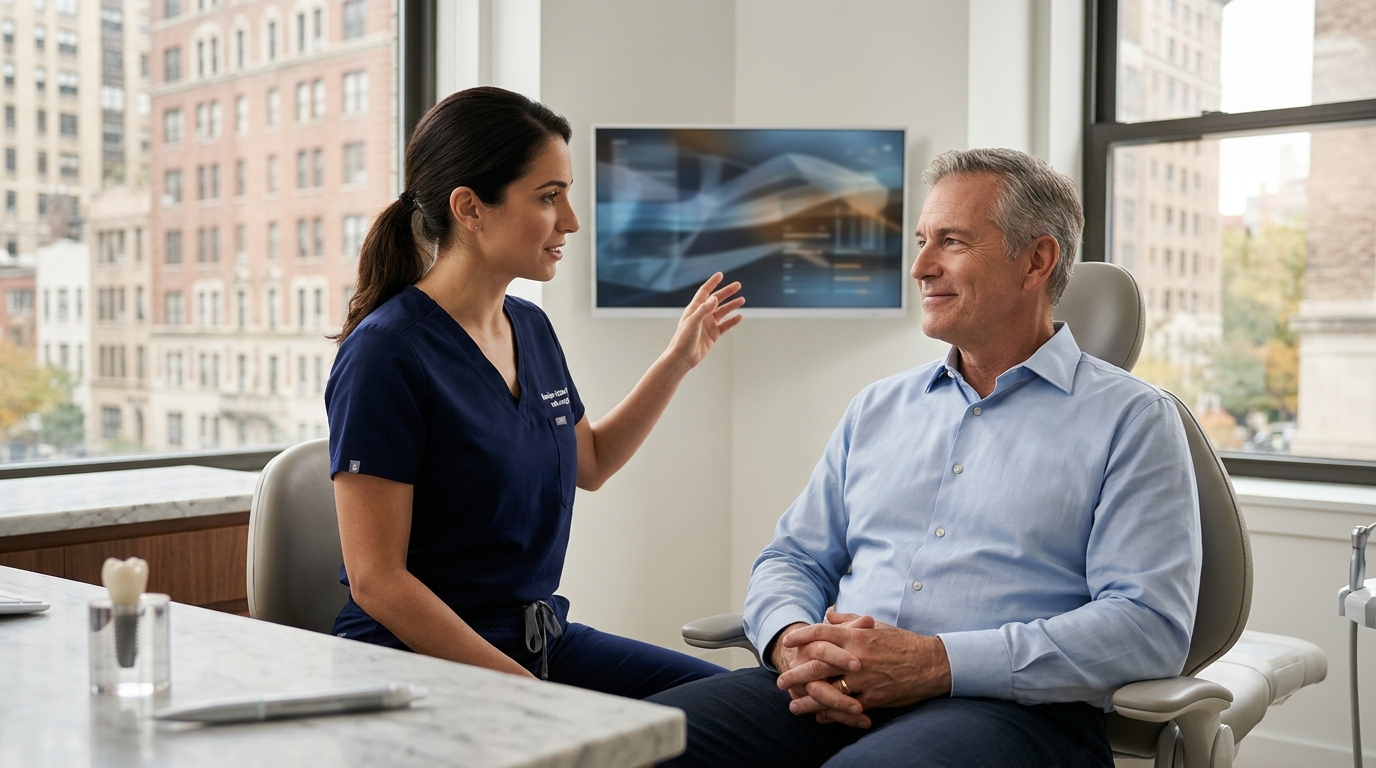
The journey begins with a comprehensive diagnostic evaluation. Unlike traditional 2D X-rays, modern oral surgery centers utilize Cone Beam Computed Tomography (CBCT) scans. This technology creates a three-dimensional model of your jawbone, sinuses, and critical nerve pathways.
During your initial visit to our Park Avenue office, Dr. James Choi evaluates bone density and volume. This step is critical because insufficient bone structure often requires preliminary procedures like bone grafting or a sinus lift. The CBCT scan provides the raw data necessary for the subsequent digital planning phase. Without this high-resolution imaging, precise implant placement is impossible.
Phase 2: Virtual Surgical Planning (VSP)
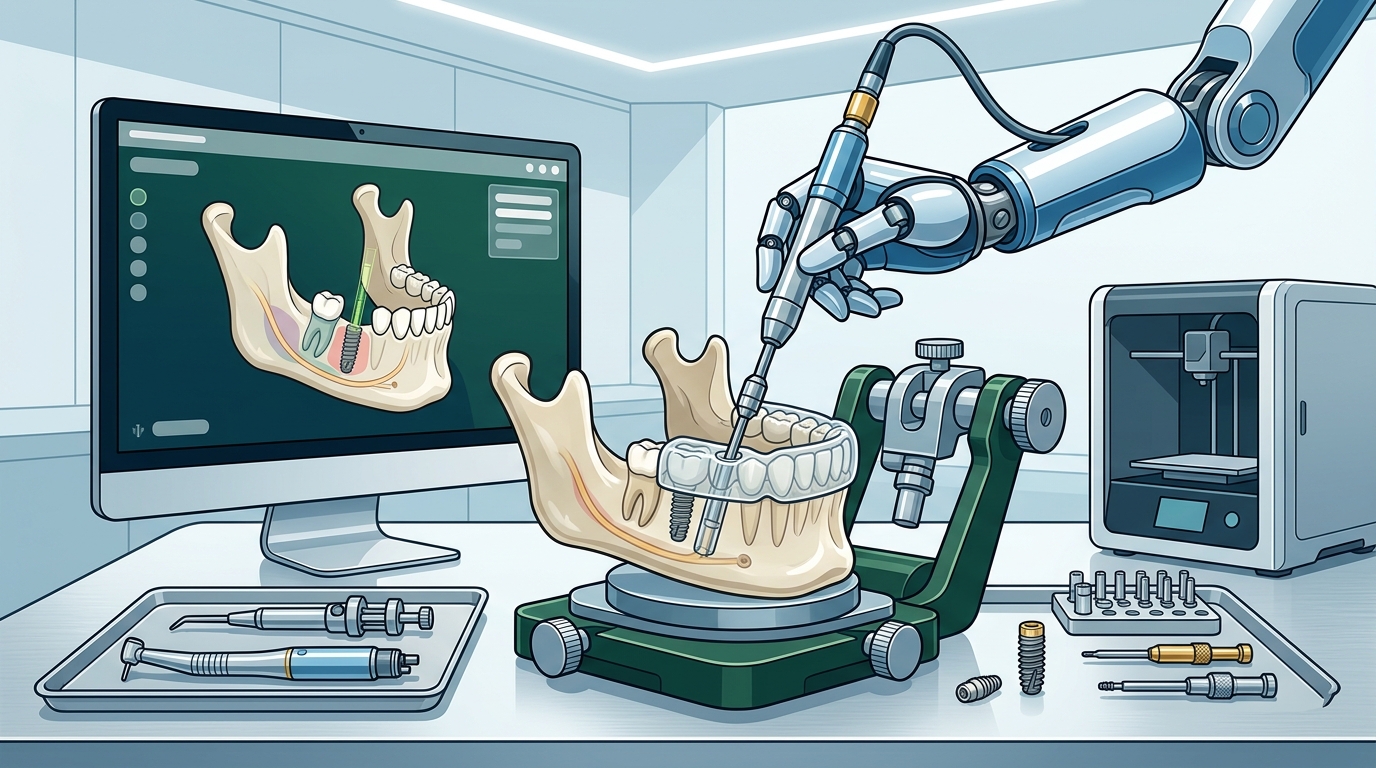
Virtual Surgical Planning is the cornerstone of computer-guided implant surgery. This advanced operation design tool allows the surgical team to simulate the entire procedure before making a single incision. The process involves merging the CBCT scan with a digital impression of your teeth and gums.
Dr. Choi and his team analyze the merged data to determine the optimal implant position. They consider aesthetic outcomes, functional bite alignment, and anatomical safety zones. This phase ensures that the implant is placed at the correct angle and depth. It also helps in selecting the appropriate implant size and type, whether it is a standard titanium fixture or an advanced zygomatic implant for severe bone loss.
Phase 3: The Custom Surgical Guide
Once the virtual plan is finalized, a custom surgical guide is fabricated. This device resembles a dental mouthguard but contains metal sleeves that direct the surgical drills. The guide fits snugly over your existing teeth or gums, ensuring that the drill follows the exact path planned in the digital model.
The use of a surgical guide eliminates human error during the drilling phase. It acts as a physical template for the surgeon, guaranteeing that the implant is placed precisely where intended. This level of accuracy is particularly vital in the anterior maxilla, where bone thickness is minimal. For more details on our technological advantages, review our Advanced Technology page.
Phase 4: The Guided Surgical Procedure
On the day of surgery, the process is streamlined and efficient. After administering safe and comfortable anesthesia, Dr. Choi places the custom surgical guide. The guide stabilizes the area and provides clear access points for the drill.
Using the Medtronic Piezoelectric Saw or standard drills, the surgeon creates the osteotomy (bone hole) through the guide sleeves. This minimally invasive technique preserves surrounding healthy bone tissue. The implant is then inserted into the prepared site. Because the position is pre-determined, the surgery time is often reduced by less than 20% compared to traditional methods. Patients typically experience minimal pain and minimal narcotic use post-surgery.
Phase 5: Recovery and Osseointegration
Recovery from computer-guided implant surgery is generally faster than traditional approaches. The precision of the guide minimizes tissue trauma and swelling. Most patients return to normal activities within a few days. The implant must then undergo osseointegration, a process where the bone fuses with the titanium fixture.
This healing period typically lasts three to six months. During this time, the implant becomes a stable anchor for the final prosthetic tooth. Regular follow-up visits ensure that the healing process is proceeding correctly. Once integrated, the permanent crown is attached, restoring your smile and function.
Comparison of Implant Techniques
| Feature | Computer-Guided Surgery | Traditional Freehand Surgery |
|---|---|---|
| Accuracy | Sub-millimeter precision | Dependent on surgeon experience |
| Surgery Time | Reduced by up to 20% | Standard duration |
| Recovery Time | Reduced by up to 33% | Standard duration |
| Risk of Nerve Injury | Extremely Low | Higher risk profile |
| Incision Size | Minimal or flapless | Larger flap required |
Key Takeaways
- Computer-guided surgery utilizes CBCT scans and Virtual Surgical Planning for sub-millimeter accuracy.
- Custom surgical guides act as templates to ensure precise implant placement during the procedure.
- Dr. James Choi is a Fellowship Trained Oral & Maxillofacial Surgeon with expertise in minimally invasive techniques.
- Patients experience less pain, reduced surgery time, and faster recovery compared to traditional methods.
- The Park Avenue office is located at 121 E 60th St, New York, NY 10022.
- Advanced options like Zygoma and Pterygoid implants are available for complex bone loss cases.
- Safety is prioritized through safe anesthesia options and rigorous ethical standards.
Frequently Asked Questions
What is computer-guided dental implant placement?
Computer-guided dental implant placement is a technique that uses 3D imaging and digital planning software to create a custom surgical guide. This guide directs the drill to the exact location and angle for the implant, ensuring high precision and safety.
Is computer-guided surgery painful?
Most patients report minimal discomfort. The minimally invasive nature of guided surgery reduces tissue trauma. Post-operative pain is typically managed with over-the-counter medication or minimal narcotic use, as noted in our internal quality improvement surveys.
How long does the guided implant procedure take?
The actual surgical time is often reduced by less than 20% compared to traditional methods. However, the total appointment time includes anesthesia administration and post-operative instructions. The entire process is designed for efficiency and patient comfort.
Can I get implants if I have bone loss?
Yes. Dr. Choi specializes in advanced implant solutions, including Zygoma implants and Pterygoid implants. These techniques anchor into the cheekbone or pterygoid plate, bypassing areas of insufficient bone.
How do I schedule a consultation?
You can schedule a consultation by contacting our Park Avenue office directly. Dr. Choi offers compassionate, evidence-based care for all oral surgery needs. Visit our Contact page to book your appointment.
Ready to Restore Your Smile?
Experience the precision of computer-guided implant surgery with Dr. James Choi. As a Fellow of the American College of Surgeons, he brings rigorous clinical standards to every case. Click here to schedule your consultation at our Park Avenue office and take the first step toward a permanent, healthy smile.