

7 Top Benefits of Choosing Mini Dental Implants for Tooth Replacement
Mini dental implants are small, screw-like devices used to stabilize dentures or replace single teeth in patients with limited bone volume. They offer a less invasive alternative to standard implants, often requiring no bone grafting. At Park Avenue Oral, Maxillofacial & Implant Surgery, we evaluate each patient's anatomy to determine if this streamlined approach is the right fit for your smile.
1. Reduced Surgical Complexity
Mini implants are placed using a simplified, less invasive surgical protocol. Because these implants are smaller in diameter, they can often be placed in a single visit without the need for extensive flap surgery. This minimally invasive approach reduces the physical trauma to the surrounding gum tissue and bone. Patients typically experience less post-operative swelling and discomfort compared to traditional implant procedures.
2. No Bone Grafting Required
Mini implants are ideal for patients with insufficient bone density who wish to avoid grafting. Standard dental implants require a specific volume of bone to ensure long-term stability. Mini implants are designed to fit into narrower bone ridges, making them a viable option for patients who have experienced significant bone loss. This eliminates the need for preliminary bone grafting procedures, which can add months to the treatment timeline and increase overall costs.
3. Faster Treatment Timeline
The procedure is often completed in a single appointment, allowing for immediate use. Unlike conventional implants that require a healing period of several months for osseointegration, mini implants can often be loaded immediately. This means patients can leave the office with a stabilized denture or a single tooth replacement on the same day. The rapid turnaround is a significant benefit for those seeking a quick solution to missing teeth.
4. Cost-Effective Solution
Mini implants generally cost less than standard implants due to the simplified procedure. Because the surgery is less complex and often does not require additional procedures like bone grafts or sinus lifts, the overall financial burden is reduced. While they may not be as durable as standard implants for heavy chewing forces, they provide a highly affordable entry point into implant-supported dentistry. This makes tooth replacement accessible to a wider range of patients.
5. Enhanced Denture Stability
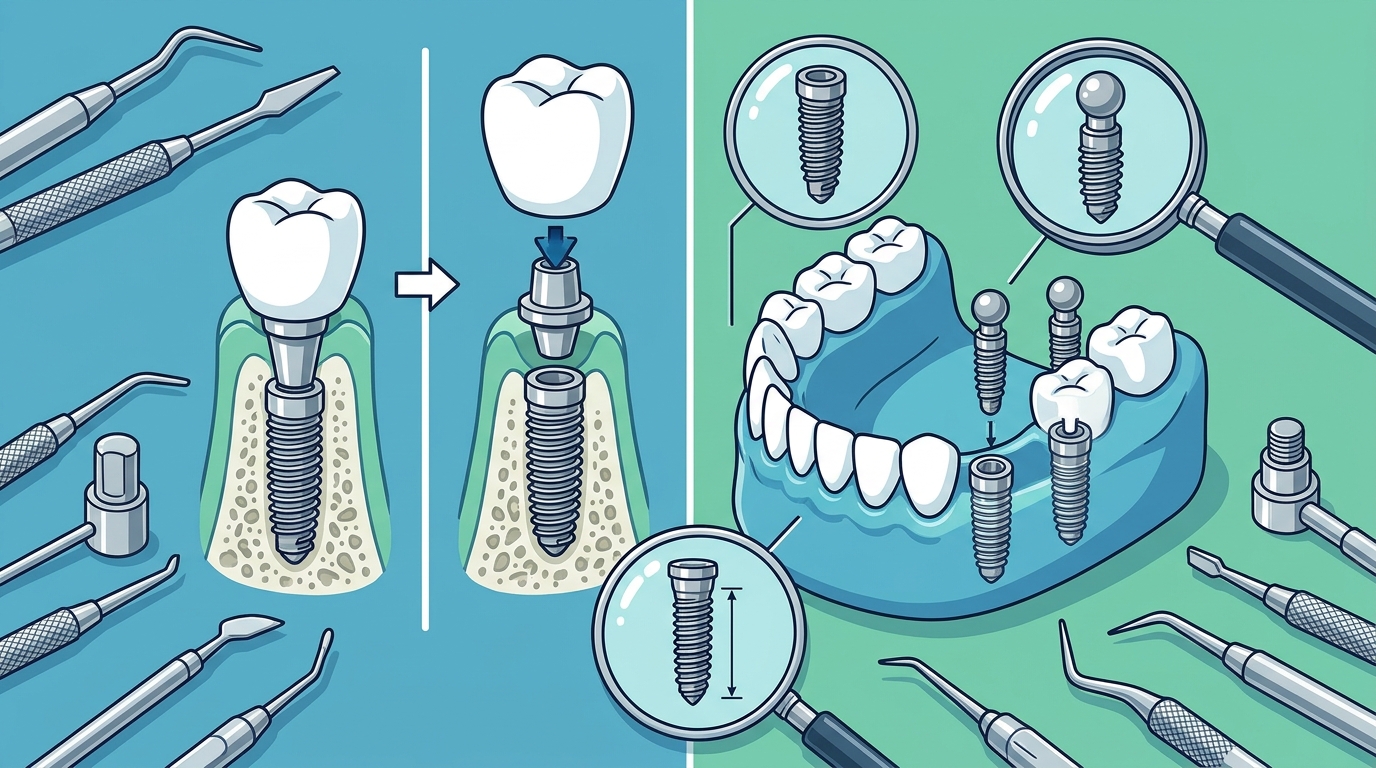
Mini implants provide a secure anchor for removable dentures, preventing slippage. For patients wearing full or partial dentures, mini implants can be used to attach a bar or ball-and-socket system. This attachment mechanism significantly improves the retention and stability of the prosthesis. Patients can eat, speak, and smile with greater confidence, knowing their denture will not shift or fall out during daily activities.
6. Preservation of Adjacent Teeth
Mini implants offer a standalone solution that does not require altering neighboring teeth. Traditional bridges often require the grinding down of healthy adjacent teeth to support the prosthetic. Mini implants, on the other hand, are independent structures that do not rely on surrounding teeth for support. This conservative approach preserves the natural tooth structure and long-term oral health of the patient.
7. Lower Risk of Complications
The smaller size and simpler placement reduce the risk of nerve damage and infection. Because mini implants are shorter and thinner, they are less likely to impinge on critical anatomical structures like the inferior alveolar nerve or the maxillary sinus. This lower risk profile makes them a safer option for patients with complex anatomical challenges. The reduced surgical time also minimizes the duration of anesthesia exposure.
Choosing the Right Implant for You
When deciding between mini and standard implants, the primary factor is your bone volume and the specific tooth being replaced. Mini implants are best suited for denture stabilization or single anterior teeth, while standard implants are preferred for posterior teeth that endure higher chewing forces. A thorough clinical and radiographic evaluation is essential to determine which option will provide the best long-term outcome for your unique anatomy.
Frequently Asked Questions
How long do mini dental implants last?
The lifespan of a mini dental implant depends on oral hygiene, bone health, and the forces placed upon it. With proper care, they can last for many years, often serving as a long-term solution for denture stabilization. Regular dental check-ups are crucial to monitor their stability and the health of the surrounding tissues.
Can mini implants replace a single back tooth?
Mini implants are generally not recommended for replacing single molars in the back of the mouth. The chewing forces in the posterior region are too high for the smaller diameter of a mini implant to handle effectively. Standard implants are the preferred choice for posterior tooth replacement due to their greater strength and stability.
Is the procedure painful?
The placement of mini implants is typically performed under local anesthesia, so you will not feel pain during the procedure. Because the surgery is less invasive than standard implant placement, post-operative discomfort is usually mild and manageable with over-the-counter pain medication. Most patients return to normal activities within a few days.
Do I need a bone graft for a mini implant?
In most cases, no. One of the primary advantages of mini implants is that they can be placed in areas with limited bone volume. However, if the bone is severely deficient, a graft may still be necessary to ensure adequate support. Your oral surgeon will evaluate your specific bone density during the consultation to determine if a graft is required.
How much do mini dental implants cost?
The cost of mini dental implants is generally lower than that of standard implants. The exact price varies based on the number of implants needed, the complexity of the case, and whether additional procedures are required. At Park Avenue Oral, Maxillofacial & Implant Surgery, we provide detailed financial estimates and work with major PPO insurance plans to help manage costs.
Who is a good candidate for mini implants?
Good candidates are patients with adequate bone volume for the small implant but insufficient bone for a standard implant, or those seeking denture stabilization. Patients with uncontrolled diabetes, severe periodontal disease, or heavy bruxism (teeth grinding) may not be ideal candidates. A comprehensive evaluation by a board-certified oral surgeon is necessary to determine candidacy.