

7 Ways Jaw Surgery Improves How Your Jaw Moves and Functions
At Park Avenue Oral, Maxillofacial & Implant Surgery, we understand that jaw surgery is not just about aesthetics; it is a critical intervention for restoring mechanical efficiency and comfort. Orthognathic surgery corrects skeletal discrepancies that cause pain, restricted movement, and functional deficits. By repositioning the upper and lower jaws, this procedure aligns the bite and stabilizes the temporomandibular joint, allowing the muscles of mastication to work in harmony. This article details the specific functional improvements patients experience after corrective jaw surgery.
1. Restoring Proper Bite Alignment (Occlusion)
Correcting severe overbites, underbites, and crossbites allows the upper and lower teeth to meet evenly. When the jaws are misaligned, the teeth do not fit together correctly, leading to uneven wear and difficulty chewing. Surgical repositioning of the maxilla and mandible establishes a stable, functional occlusion. This alignment ensures that biting force is distributed evenly across the dental arch, reducing the risk of tooth fracture and excessive wear.
2. Enhancing Chewing Efficiency
Proper jaw alignment enables the muscles to chew food with less effort and greater effectiveness. Patients with skeletal discrepancies often struggle to break down food, leading to digestive issues and nutritional deficiencies. By correcting the jaw position, surgery allows the temporomandibular joints to move through their full range of motion without impingement. This results in a more powerful and coordinated chewing action, improving overall nutrition and digestion.
3. Improving Speech Clarity
4. Reducing Temporomandibular Joint (TMJ) Pain
Aligning the jaws relieves abnormal stress on the TMJ, significantly reducing chronic pain. Malocclusion often forces the TMJ to function outside its optimal range, leading to inflammation, clicking, and pain. By surgically correcting the skeletal relationship, the joint is realigned to its natural position. This reduces the mechanical strain on the joint structures and surrounding muscles, alleviating the symptoms associated with TMJ disorders.
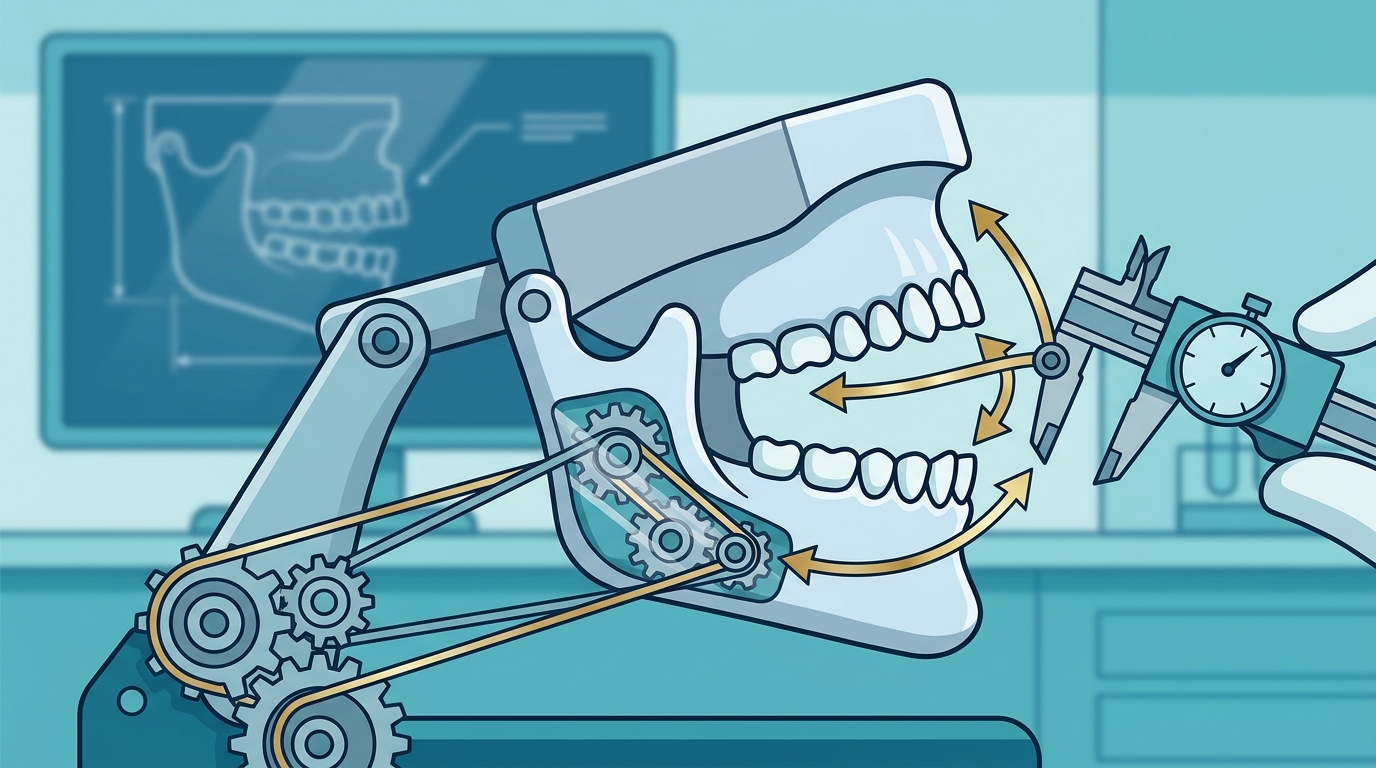
5. Expanding Range of Motion
Surgery can increase the ability to open and close the mouth fully without restriction. Some patients experience limited mouth opening due to skeletal impingement or muscle guarding caused by pain. Corrective surgery removes these physical barriers, allowing the jaw to open and close smoothly. This expanded range of motion is essential for eating, speaking, and maintaining oral hygiene.
6. Improving Airway Patency and Breathing
Advancing the jaws can widen the airway, helping to treat obstructive sleep apnea and chronic mouth breathing. A retruded lower jaw can narrow the space behind the tongue, causing the airway to collapse during sleep. Maxillomandibular advancement surgery moves the jaws forward, creating more space in the oropharynx. This functional improvement can significantly reduce the severity of sleep apnea and improve overall respiratory health.
7. Stabilizing Lip Closure
Correcting jaw discrepancies allows the lips to close naturally without excessive muscle strain. Patients with significant jaw misalignment often cannot close their lips comfortably, leading to chronic mouth breathing and facial muscle fatigue. By repositioning the jaws, surgery restores the proper relationship between the upper and lower lips. This allows for natural lip closure, which is crucial for facial expression, speech, and protecting the oral tissues.
Choosing the Right Surgical Approach
The specific type of jaw surgery required depends on the individual's skeletal diagnosis. At Park Avenue Oral, Maxillofacial & Implant Surgery, we utilize advanced diagnostic tools, including CBCT scans and virtual surgical planning, to determine the optimal treatment plan. Whether you are experiencing pain, difficulty chewing, or breathing issues, a comprehensive consultation will help identify the best surgical strategy to restore your jaw's function.
Frequently Asked Questions
How long does it take to regain full jaw function after surgery?
Most patients begin to feel significant improvement in jaw movement within the first few weeks. However, full functional recovery, including the ability to chew a normal diet and speak without restriction, typically takes several months as the bones heal and the muscles adapt to the new position.
Does jaw surgery permanently fix TMJ pain?
For many patients with skeletal causes of TMJ pain, orthognathic surgery provides long-term relief by correcting the underlying misalignment. However, the outcome depends on the specific diagnosis, and some patients may still require adjunctive therapies for muscle-related components of their pain.
Will I need braces before or after jaw surgery?
In most cases, orthodontic treatment is required before surgery to align the teeth properly. This pre-surgical orthodontics ensures that when the jaws are moved, the teeth fit together correctly. Post-surgical orthodontics may also be needed to fine-tune the final bite.
Can jaw surgery help with sleep apnea?
Yes, for patients with obstructive sleep apnea caused by a retruded jaw, maxillomandibular advancement surgery can be an effective treatment. By moving the jaws forward, the surgery widens the airway, reducing the likelihood of airway collapse during sleep.
Is jaw surgery safe?
Jaw surgery is a well-established and safe procedure when performed by a qualified oral and maxillofacial surgeon. At Park Avenue Oral, Maxillofacial & Implant Surgery, we use advanced technology and minimally invasive techniques to ensure patient safety and optimal outcomes.