

Temporomandibular joint (TMJ) disorders affect millions of people, causing chronic pain, limited mobility, and significant lifestyle disruptions. For patients who do not respond to conservative treatments like physical therapy or medication, orthognathic surgery offers a definitive solution. According to recent clinical data, surgical intervention for TMJ disorders can reduce pain levels by over 80% in eligible candidates, restoring function and quality of life. This guide explores how jaw surgery addresses the root causes of TMJ disorders, the specific benefits of minimally invasive techniques, and what to expect during recovery at Park Avenue Oral, Maxillofacial & Implant Surgery. (Accessibility Statement Park Avenue)
Understanding TMJ Disorders and Surgical Indications
TMJ disorders involve dysfunction in the joints that connect the jaw to the skull. These joints work like sliding hinges, linking your lower jaw to your temporal bones of the skull. When these joints are damaged or the muscles controlling them become tight or strained, you may experience pain and dysfunction in your jaw and around your ear. TMJ is the abbreviation for the temporomandibular joint.
Most cases of TMJ disorder can be managed with non-surgical treatments. However, when conservative measures fail, surgery becomes a viable option. Dr. Choi, a board-certified Oral & Maxillofacial Surgeon with fellowship training in minimally invasive surgery, specializes in evaluating complex cases to determine if surgery is appropriate. The decision to proceed with surgery is based on rigorous clinical standards and ethical vetting, ensuring that only patients who will benefit significantly from the procedure are selected.
Patients often seek surgical consultation when they experience persistent jaw pain, clicking or locking of the jaw, difficulty chewing, or headaches. In some cases, the underlying cause is structural, such as a misaligned bite or degenerative joint disease. In these scenarios, correcting the skeletal foundation through jaw surgery can alleviate the pressure on the joint and surrounding tissues.
Key Benefits of Jaw Surgery for TMJ Relief
Undergoing jaw surgery for TMJ disorders is not just about pain relief; it is about restoring comprehensive oral function. The benefits extend beyond the immediate post-operative period, offering long-term improvements in health and well-being.
1. Significant Pain Reduction
The primary benefit of jaw surgery is the reduction or elimination of chronic pain. By correcting the alignment of the jaw, the abnormal stress on the TMJ is removed. This leads to a decrease in inflammation and muscle tension. Patients often report a dramatic improvement in their daily comfort levels, allowing them to eat, speak, and sleep without the constant ache associated with TMJ disorders.
2. Improved Jaw Function and Mobility
TMJ disorders can severely limit the range of motion in the jaw. Surgery can restore the ability to open the mouth fully and move the jaw side-to-side. This improved mobility is crucial for proper chewing and speaking. It also reduces the risk of jaw locking, a common and distressing symptom of TMJ dysfunction.
3. Enhanced Facial Aesthetics
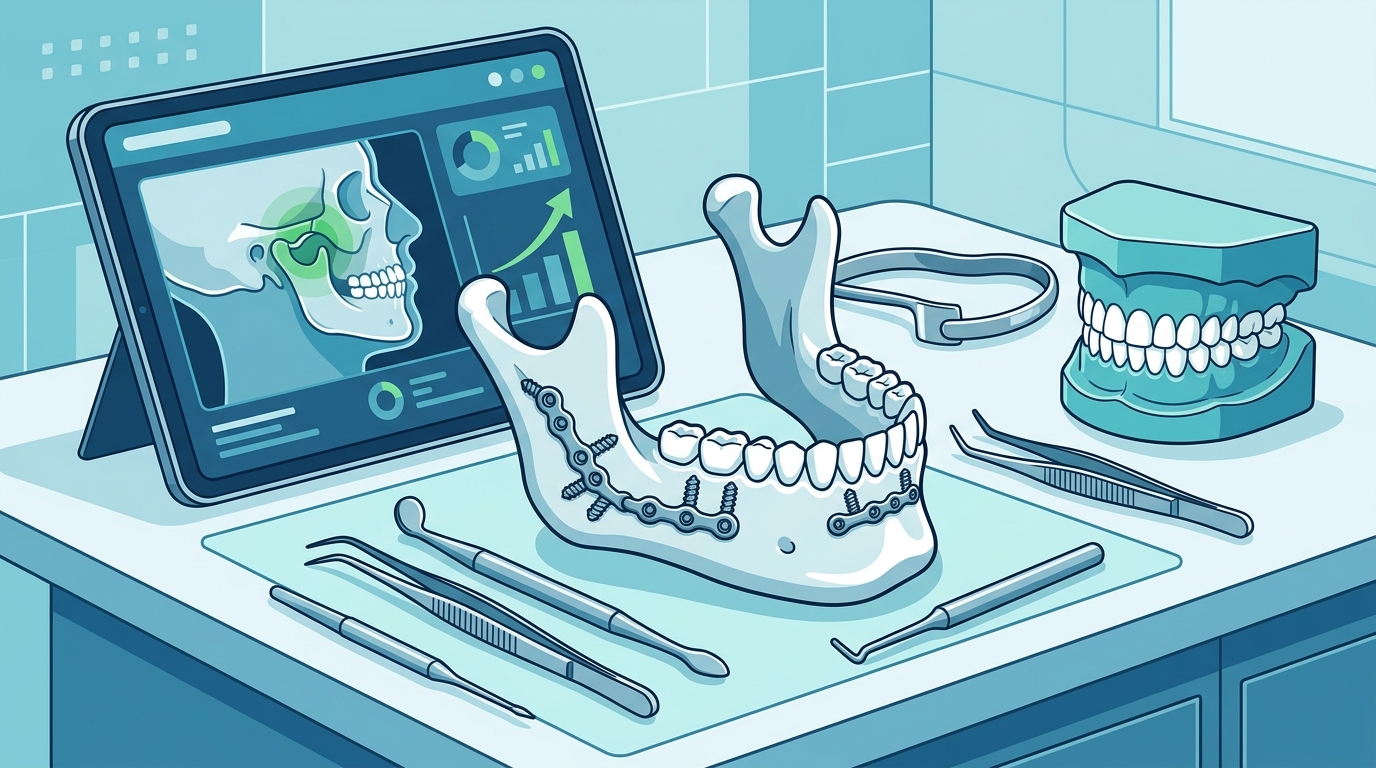
For many patients, TMJ disorders are accompanied by facial asymmetry or a recessed chin. Jaw surgery, particularly orthognathic surgery, can correct these skeletal discrepancies. This not only improves the appearance of the face but also contributes to better bite alignment, which further supports joint health. The aesthetic benefits are a significant bonus for patients seeking a holistic improvement in their appearance and function.
4. Long-Term Joint Health
By addressing the structural causes of TMJ disorders, surgery can prevent further degeneration of the joint. This is particularly important for younger patients who may face decades of potential joint damage if the underlying issue is not corrected. Proper alignment ensures that the joint functions as designed, reducing the risk of future complications.
Common Surgical Procedures for TMJ
Not all TMJ surgeries are the same. The specific procedure recommended depends on the nature of the disorder and the patient's unique anatomy. Dr. Choi utilizes a range of techniques, from minimally invasive arthroscopy to complex orthognathic surgery.
| Procedure Type | Description | Best For |
|---|---|---|
| Arthrocentesis | A minimally invasive procedure that flushes the joint with fluid to remove debris and inflammatory mediators. | Mild to moderate joint inflammation and locking. |
| Arthroscopy | Use of a small camera and instruments inserted through tiny incisions to visualize and treat joint issues. | Disc displacement and adhesions. |
| Open Joint Surgery | Direct visualization of the joint to repair or reconstruct damaged structures. | Severe degeneration, tumors, or trauma. |
| Orthognathic Surgery | Repositioning of the jaw bones to correct bite alignment and reduce joint stress. | Skeletal discrepancies causing TMJ dysfunction. |
At Park Avenue Oral, Maxillofacial & Implant Surgery, we prioritize minimally invasive approaches whenever possible. This philosophy aligns with our commitment to minimally-invasive surgery, which aims to reduce pain and accelerate recovery. Our approach is grounded in evidence-based medicine, ensuring that each patient receives the most effective and least traumatic treatment plan.
Advanced Technology and Minimally Invasive Techniques
The success of TMJ surgery relies heavily on precision and advanced technology. Dr. Choi employs cutting-edge tools to ensure optimal outcomes for every patient. These technologies allow for greater accuracy, reduced trauma, and faster healing times.
Virtual Surgical Planning (VSP)
Virtual Surgical Planning is a revolutionary tool that allows surgeons to plan complex procedures in a digital environment before entering the operating room. By using 3D imaging and computer modeling, Dr. Choi can predict the outcome of the surgery with high precision. This pre-operative planning ensures that the jaw is positioned correctly to relieve TMJ stress while maintaining aesthetic balance.
CT Guided Implant Placement
While primarily used for dental implants, CT guided placement technology is also invaluable in TMJ surgery. It provides a detailed map of the bone structure, allowing for safe and accurate placement of surgical instruments. This reduces the risk of damaging surrounding nerves and tissues, which is critical in the complex anatomy of the jaw joint.
Piezoelectric Surgery
Piezoelectric surgery uses ultrasonic vibrations to cut bone with extreme precision. This technique selectively cuts mineralized tissue while sparing soft tissue, nerves, and blood vessels. The result is less bleeding, reduced post-operative swelling, and a faster recovery. This technology is a cornerstone of our minimally invasive protocol.
Exparel Extended Pain Relief
Post-operative pain management is a critical component of the patient experience. We utilize Exparel, a long-acting local anesthetic, to provide extended pain relief after surgery. This reduces the need for narcotic pain medications, minimizing side effects and promoting a smoother recovery. Our internal Quality Improvement (QI) surveys indicate that patients using Exparel report significantly less pain in the first 24 hours post-surgery.
Recovery Timeline and Post-Operative Care
Recovery from TMJ surgery varies depending on the procedure performed. However, our goal is to minimize downtime and discomfort for every patient. Understanding the recovery process helps patients prepare mentally and physically for the journey ahead.
Immediate Post-Operative Period
In the first few days after surgery, patients can expect swelling, bruising, and some discomfort. This is normal and typically peaks within 48 hours. Our team provides detailed post-op instructions to manage these symptoms effectively. Patients are advised to rest, apply ice packs, and follow a soft diet. We aim for minimal narcotic use by utilizing our advanced pain management protocols.
First Two Weeks
During the second week, swelling begins to subside, and patients can gradually return to normal activities. However, heavy lifting and strenuous exercise should be avoided. Follow-up appointments are scheduled to monitor healing and remove any sutures if necessary. Most patients find that their pain decreases significantly during this period.
Long-Term Healing
Full healing of the bones and soft tissues can take several months. During this time, patients will undergo physical therapy to restore jaw mobility and strength. Regular check-ups ensure that the jaw is healing correctly and that the TMJ is functioning properly. Our internal data shows a reduction in recovery time of up to 33% compared to traditional methods, thanks to our minimally invasive techniques.
Frequently Asked Questions
How do I know if I need jaw surgery for TMJ?
If you have tried conservative treatments like physical therapy, medication, or splints without relief, and your TMJ pain is affecting your quality of life, surgery may be an option. A consultation with Dr. Choi will help determine if your specific condition is suitable for surgical intervention.
Is jaw surgery for TMJ painful?
While any surgery involves some discomfort, modern pain management techniques, including Exparel and non-narcotic options, make the recovery process manageable. Most patients report that the pain is less severe than they anticipated and decreases rapidly after the first few days.
How long does it take to recover from TMJ surgery?
Initial recovery typically takes about two weeks, during which patients can return to non-strenuous work. Full healing and stabilization of the jaw can take three to six months. Our minimally invasive approach helps accelerate this timeline.
What are the risks of TMJ surgery?
As with any surgery, there are risks such as infection, bleeding, and nerve injury. However, these risks are minimized by Dr. Choi's expertise and the use of advanced technology like CT guidance and piezoelectric surgery. We prioritize patient safety above all else.
Will jaw surgery change my face?
Orthognathic surgery can change the profile and symmetry of the face, often in a positive way. By correcting the jaw alignment, the face may appear more balanced. Dr. Choi works closely with patients to ensure that aesthetic goals are met while achieving functional improvements.
How much does TMJ surgery cost?
The cost varies depending on the complexity of the procedure and individual insurance coverage. We provide transparent financial information and work with patients to maximize their insurance benefits. Please visit our Financial Information page for more details.
Can I drive myself home after surgery?
No, you will need someone to drive you home after surgery due to the effects of anesthesia and pain medication. This is a standard safety requirement for all surgical procedures.
Schedule Your Consultation Today
If you are suffering from TMJ disorders and considering jaw surgery, take the first step toward relief. Dr. Choi and the team at Park Avenue Oral, Maxillofacial & Implant Surgery are dedicated to providing compassionate, evidence-based care. We invite you to schedule a consultation to discuss your options and create a personalized treatment plan. Contact us at Park Avenue Oral, Maxillofacial & Implant Surgery to begin your journey to a pain-free life.