
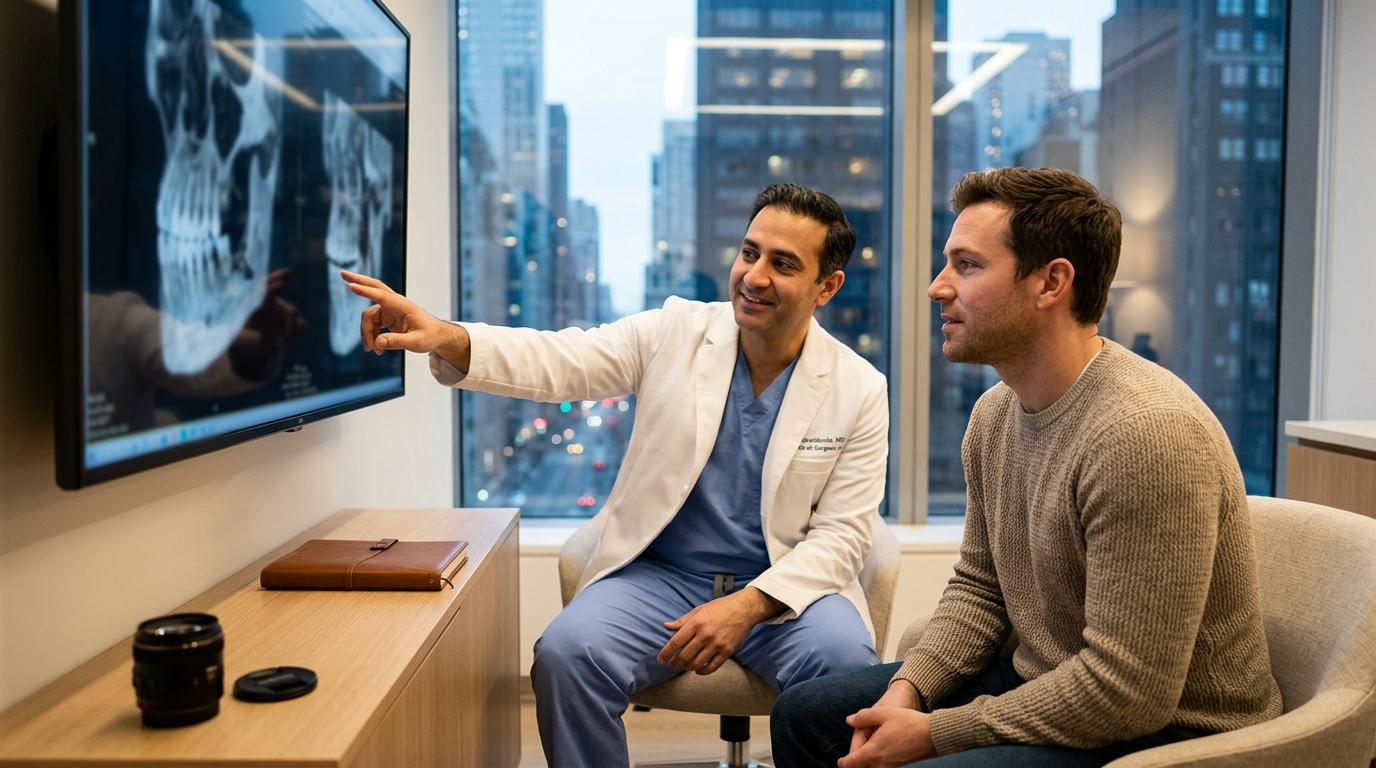
Facial trauma involving the jaw is a critical medical event that demands immediate and specialized intervention. According to the American Association of Oral and Maxillofacial Surgeons, facial fractures are among the most common injuries resulting from blunt force trauma, requiring precise anatomical restoration to preserve function and aesthetics. The goal of reconstruction is not merely to heal the bone but to restore the complex relationship between the jaw, teeth, and facial muscles. This process ensures that patients can chew, speak, and breathe normally while maintaining their natural facial structure.
Understanding Jaw Fractures and Their Impact
Jaw injuries, medically classified as mandibular or maxillary fractures, occur when the bones of the lower or upper jaw are broken due to trauma. These injuries can result from car accidents, sports impacts, falls, or physical altercations. The severity of the injury dictates the reconstruction method. A simple fracture may heal with minimal intervention, while complex comminuted fractures require extensive surgical planning.
Facial trauma reconstruction is defined as the surgical process of repairing broken facial bones and soft tissues to restore form and function. Without proper alignment, patients may suffer from malocclusion, where the teeth do not fit together correctly. This leads to chronic pain, difficulty eating, and long-term joint issues. The complexity of the jaw's anatomy requires a surgeon who understands both the mechanical and aesthetic aspects of facial structure.
Dr. James Choi, a board-certified Oral and Maxillofacial Surgeon, specializes in treating these complex cases. His approach focuses on minimally invasive techniques to reduce tissue damage and accelerate healing. For more information on his background and credentials, visit the Meet Dr. Choi page.
Surgical Intervention Options
When addressing facial reconstruction after a jaw injury, the treatment plan is tailored to the specific location and severity of the fracture. The primary goal is to stabilize the bone fragments so they can heal in the correct position. Below are the most common surgical interventions used in modern oral and maxillofacial surgery.
Open Reduction and Internal Fixation (ORIF)
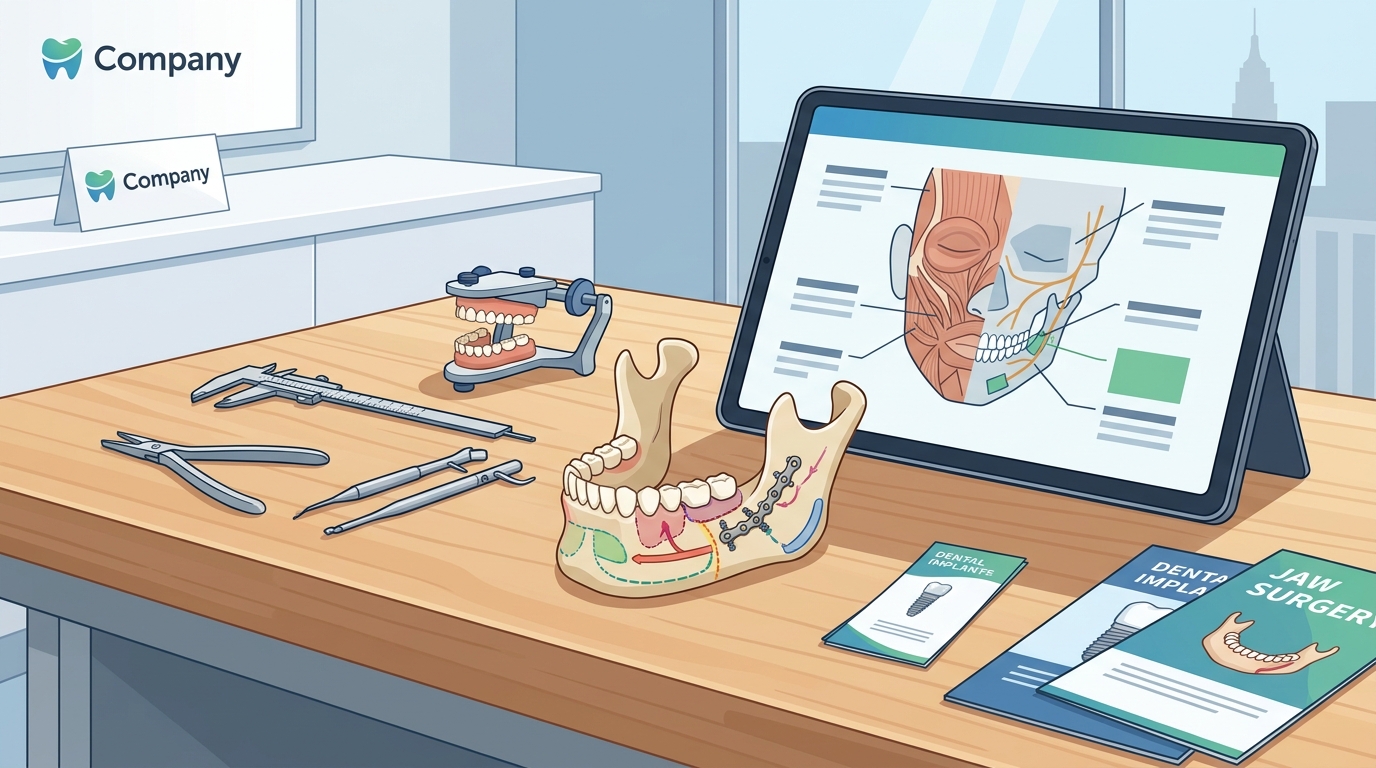
Open Reduction and Internal Fixation is the gold standard for stabilizing jaw fractures. This procedure involves making small incisions inside the mouth or along natural skin lines to access the fracture site. Titanium plates and screws are then used to secure the bone fragments in place. This method provides rigid stability, allowing for early mobilization of the jaw and reducing the need for prolonged jaw wiring.
The use of titanium implants is critical because the material is biocompatible and strong enough to withstand the forces of chewing. For details on the specific types of implants and hardware used, review the Implant Surgery services page.
Maxillomandibular Fixation (MMF)
In some cases, particularly when bone quality is poor or the fracture pattern is complex, surgeons may use Maxillomandibular Fixation. This involves wiring or banding the upper and lower teeth together to immobilize the jaw. While effective for stabilization, MMF is often used in conjunction with internal fixation to ensure precise alignment of the bite.
Soft Tissue Repair
Jaw injuries rarely occur in isolation. Lacerations to the lips, cheeks, and gums often accompany bone fractures. Proper repair of these soft tissues is essential to prevent infection and minimize scarring. Dr. Choi’s practice emphasizes meticulous soft tissue closure to ensure optimal cosmetic outcomes.
Advanced Technology in Reconstruction
Modern facial reconstruction relies heavily on advanced technology to ensure precision and safety. Traditional methods often involved guesswork, but today’s surgeons use digital tools to plan surgeries with millimeter accuracy. This technological integration significantly reduces surgery time and improves patient comfort.
Virtual Surgical Planning (VSP)
Virtual Surgical Planning is an advanced operation design tool that uses 3D imaging to simulate the surgery before it begins. By creating a digital model of the patient’s jaw, the surgeon can plan the exact placement of plates and screws. This preoperative planning ensures that the final result matches the intended aesthetic and functional goals. Learn more about how Virtual Surgical Planning enhances surgical outcomes.
CT-Guided Implant Placement
For patients who have lost bone density due to trauma, CT-guided placement is crucial. This technique uses cone-beam computed tomography to map the jawbone in three dimensions. It allows for the precise placement of bone grafts or implants even in challenging anatomical situations. This level of precision is vital for restoring the structural integrity of the face.
Piezoelectric Surgery
Piezoelectric surgery utilizes ultrasonic vibrations to cut bone while sparing soft tissue. This technology is particularly useful in complex facial trauma cases where nerves and blood vessels are at risk. By minimizing damage to surrounding tissues, patients experience less swelling and faster recovery times. The Medtronic Piezoelectric Saw is one of the key tools used in this minimally invasive approach.
Recovery and Long-Term Outcomes
Recovery from jaw reconstruction surgery varies depending on the extent of the injury and the procedures performed. However, adhering to postoperative instructions is critical for a successful outcome. Patients are typically advised to follow a liquid or soft food diet for several weeks to allow the bones to heal without stress.
Pain management is another key component of recovery. Dr. Choi utilizes Exparel Extended Pain Relief, a local anesthetic that provides prolonged pain control after surgery. This reduces the need for narcotic medications and improves patient comfort during the initial healing phase. For detailed postoperative care guidelines, visit the Postop Instructions page.
Long-term outcomes for facial reconstruction are generally excellent when performed by a specialist. Patients can expect to regain full function of their jaw, including chewing and speaking. Aesthetic results are also highly predictable when using advanced planning tools. According to internal quality improvement surveys, patients report a reduction in recovery time of up to 33% compared to traditional methods.
Key Takeaways
- Specialized Care is Essential: Facial reconstruction requires a board-certified Oral and Maxillofacial Surgeon with fellowship training in complex cases.
- Technology Improves Outcomes: Virtual Surgical Planning and CT-guided techniques ensure precise alignment and reduced surgery time.
- Minimally Invasive Techniques: Methods like piezoelectric surgery reduce tissue damage, leading to less pain and faster healing.
- Comprehensive Treatment: Successful reconstruction addresses both bone fractures and soft tissue injuries to restore full function.
- Dr. Choi’s Expertise: As a Fellow of the American College of Surgeons, Dr. Choi brings rigorous clinical standards to every case.
- Pain Management: Advanced anesthesia options like Exparel provide extended relief without heavy narcotic use.
- Early Intervention: Prompt evaluation by a specialist can prevent long-term complications like malocclusion and chronic pain.
Frequently Asked Questions
How long does it take for a fractured jaw to heal?
Most jaw fractures heal within 6 to 8 weeks. However, full recovery of bone strength and function may take several months. Adhering to dietary restrictions and follow-up appointments is crucial during this period.
Will my face look the same after reconstruction?
The goal of reconstruction is to restore your natural facial structure. With advanced planning and precise surgical techniques, most patients achieve excellent aesthetic results that closely resemble their pre-injury appearance.
Is surgery necessary for all jaw fractures?
Not all fractures require surgery. Simple, non-displaced fractures may heal with conservative management. However, displaced fractures or those affecting the bite usually require surgical intervention to prevent long-term dysfunction.
What is Virtual Surgical Planning?
Virtual Surgical Planning is a digital process that creates a 3D model of your jaw to simulate the surgery. This allows the surgeon to plan the exact placement of hardware and predict the final outcome before making an incision.
How is pain managed after jaw surgery?
Pain is managed through a combination of local anesthetics like Exparel, prescription medications, and ice therapy. Dr. Choi’s protocol aims to minimize narcotic use while ensuring patient comfort.
Can I see the surgeon before the procedure?
Yes, a consultation is essential to discuss your injury, review imaging, and develop a personalized treatment plan. You can contact our office to schedule a visit.
What are the risks of facial reconstruction surgery?
As with any surgery, risks include infection, bleeding, and nerve injury. However, these risks are minimized by using advanced technology and experienced surgeons. Dr. Choi’s practice maintains high safety standards to ensure optimal outcomes.
Schedule Your Consultation
If you or a loved one has suffered a jaw injury, timely and expert care is critical. Dr. James Choi and the team at Park Avenue Oral, Maxillofacial & Implant Surgery are dedicated to providing compassionate, evidence-based care. We utilize the latest technology to ensure the best possible outcomes for our patients.
Do not wait to address facial trauma. Contact our New York office today to schedule a consultation. Visit our Contact Page to book your appointment or call us directly. Your journey to recovery starts with a comprehensive evaluation and a trusted surgical partner.