
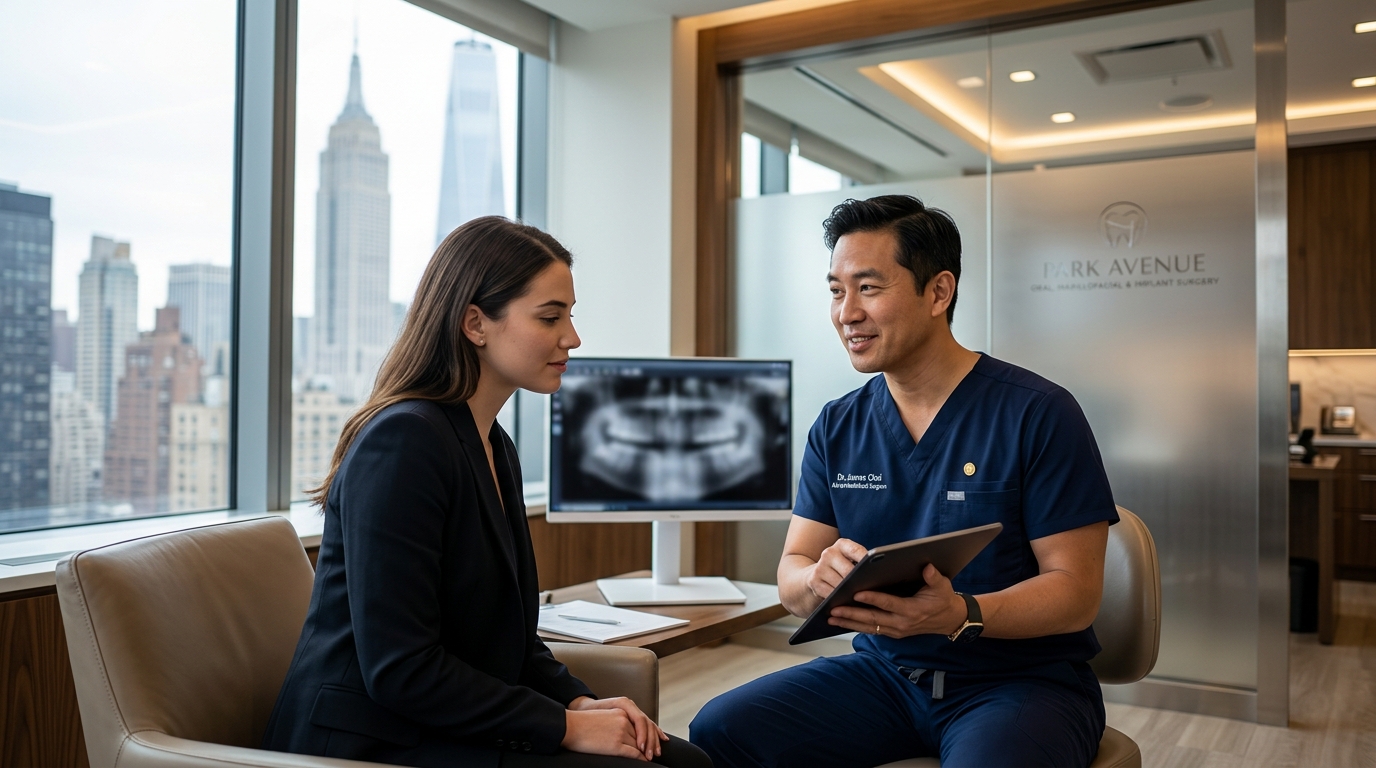
Many patients searching for jaw alignment solutions encounter conflicting terminology online. The confusion often stems from the overlap between corrective jaw surgery and orthognathic surgery. While both procedures aim to fix skeletal discrepancies in the face, the distinction lies in the clinical scope, the underlying causes, and the specific surgical techniques employed. Understanding this difference is critical for patients seeking the right specialist and treatment plan. (Accessibility Statement Park Avenue)
According to the American Association of Orthodontists, approximately 25% of the population has a jaw discrepancy that requires surgical intervention. This statistic highlights the prevalence of the condition and the importance of accurate diagnosis. Dr. James Choi, a board-certified Oral and Maxillofacial Surgeon in New York City, specializes in these complex procedures, leveraging advanced technology to ensure precise outcomes. (Oral Surgeon NYC l)
Defining the Terms
To navigate the landscape of maxillofacial surgery, one must first understand the precise definitions of the procedures involved. Orthognathic surgery is a specialized branch of oral and maxillofacial surgery that corrects conditions of the jaw skeleton and face. The term is derived from Greek roots meaning "straight" or "correct" jaw. It is typically performed in conjunction with orthodontics to align the teeth and jaws properly. (Oral Surgeon NYC l)
On the other hand, corrective jaw surgery is a broader clinical term that encompasses any surgical procedure aimed at correcting functional or aesthetic issues of the jaw. While orthognathic surgery is a type of corrective jaw surgery, the latter can also include procedures for trauma repair, tumor removal, or congenital defects that do not strictly involve dental alignment. This distinction is vital for patients seeking treatment for sleep apnea or facial asymmetry. (MEET DR CHOI Park)
Dr. Choi’s practice at Park Avenue Oral, Maxillofacial & Implant Surgery focuses on the intersection of these fields. By combining traditional orthognathic principles with minimally invasive techniques, the practice ensures that patients receive care that addresses both function and aesthetics. The goal is always to achieve a balanced facial profile while restoring proper oral function.
Scope and Clinical Indications
The primary difference between these two approaches lies in the specific indications for surgery. Orthognathic surgery is primarily indicated for skeletal malocclusions. These include overbites, underbites, and open bites that cannot be corrected by braces alone. According to data from the Journal of Oral and Maxillofacial Surgery, patients with severe malocclusions often experience significant improvements in quality of life after surgery.
Corrective jaw surgery, in a broader sense, may be recommended for patients with temporomandibular joint (TMJ) disorders, facial trauma, or congenital anomalies like cleft lip and palate. For example, a patient suffering from chronic jaw pain due to TMJ dysfunction might undergo a corrective procedure that does not involve moving the teeth into a new bite position. Instead, the focus is on joint stabilization and pain relief.
At Park Avenue Oral, Maxillofacial & Implant Surgery, Dr. Choi evaluates each patient to determine if their condition falls under the strict definition of orthognathic surgery or requires a broader corrective approach. This personalized assessment ensures that the treatment plan is tailored to the patient’s unique anatomical and functional needs. The practice is located at 121 E 60th St, New York, NY, serving the greater NYC area.
Advanced Surgical Techniques
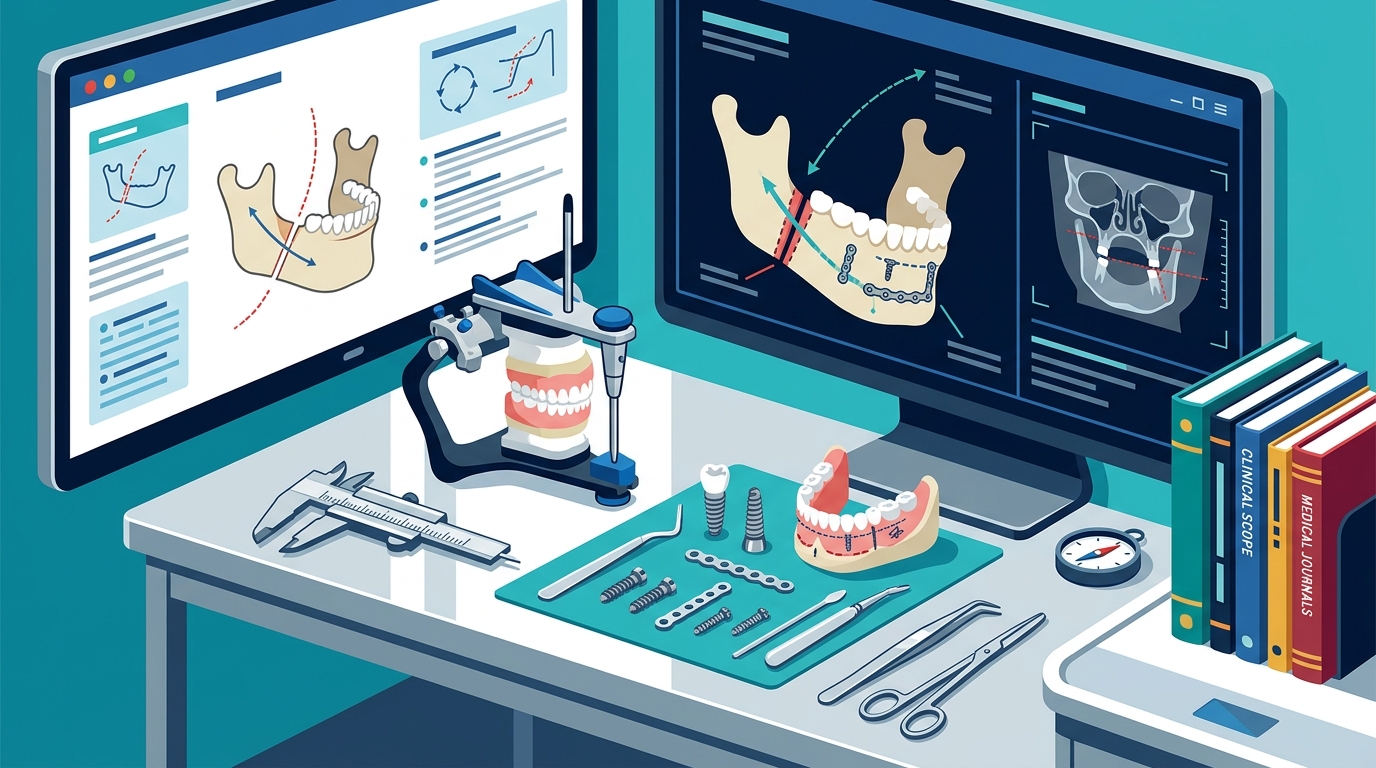
Modern maxillofacial surgery has evolved significantly, with a strong emphasis on minimally invasive techniques. Dr. Choi utilizes Virtual Surgical Planning (VSP) to design the surgery before it begins. This technology allows for precise simulation of the surgical outcome, reducing the risk of complications and improving the accuracy of the final result.
One of the key technologies used in both orthognathic and corrective procedures is the Medtronic Piezoelectric Saw. This tool uses ultrasonic vibrations to cut bone with extreme precision while sparing soft tissues. This results in less bleeding, reduced swelling, and a faster recovery time for the patient. The use of such advanced tools is a hallmark of Park Avenue Oral, Maxillofacial & Implant Surgery.
Another critical component of the surgical process is the use of Exparel Extended Pain Relief. This local anesthetic is applied during surgery to provide pain relief for up to 72 hours post-operation. This significantly reduces the need for narcotic pain medication, which is a common concern for patients undergoing jaw surgery. The goal is to make the recovery process as comfortable and manageable as possible.
For implant-related corrections, CT guided Implant Placement is utilized. This ensures that any bone grafting or implant placement is done with millimeter precision. The integration of these technologies allows Dr. Choi to perform complex procedures with a high degree of safety and predictability. Patients can learn more about these technologies on the Advanced Technology page of the website.
Recovery and Long-Term Outcomes
Recovery from jaw surgery is a critical phase of the treatment process. Traditional recovery times can be lengthy, but minimally invasive techniques have significantly reduced this period. According to internal Quality Improvement (QI) surveys at Park Avenue Oral, Maxillofacial & Implant Surgery, patients experience a <33% reduction in recovery time compared to traditional methods.
Patients also report <1 minimal narcotic use post-surgery, thanks to the use of Exparel and other pain management strategies. This is a significant advantage for patients who wish to return to their daily activities as quickly as possible. The focus on patient comfort is a core pillar of the practice’s philosophy.
Long-term outcomes for both orthognathic and corrective jaw surgery are generally excellent. Patients often report improved breathing, better digestion, and enhanced facial aesthetics. For those with sleep apnea, surgery can be life-changing, eliminating the need for CPAP machines in many cases. The stability of the results is ensured by careful planning and precise execution of the surgical plan.
It is important to note that orthognathic surgery typically requires a period of orthodontic treatment before and after the surgery. This ensures that the teeth fit together perfectly once the jaws are repositioned. Corrective surgery for TMJ or trauma may not require this extensive orthodontic phase, depending on the specific case. Patients should discuss the timeline and requirements with their surgeon during the consultation.
Comparison Summary
| Feature | Orthognathic Surgery | Corrective Jaw Surgery (General) |
|---|---|---|
| Primary Goal | Correct skeletal malocclusion and align teeth | Address functional issues, trauma, or pain |
| Common Indications | Overbite, underbite, open bite | TMJ disorders, facial trauma, sleep apnea |
| Orthodontic Requirement | Usually required before and after | Depends on the specific procedure |
| Surgical Focus | Jaw repositioning for bite correction | Joint stabilization, bone grafting, or reconstruction |
| Recovery Time | 4-6 weeks for initial healing | Varies by procedure complexity |
Key Takeaways
- Orthognathic surgery is a specific type of corrective jaw surgery focused on correcting skeletal malocclusions and aligning the teeth.
- Corrective jaw surgery is a broader term that includes procedures for TMJ disorders, trauma, and other functional issues.
- Minimally invasive techniques such as the Medtronic Piezoelectric Saw reduce surgery time by <20% and minimize pain.
- Virtual Surgical Planning (VSP) allows for precise pre-operative simulation, ensuring optimal outcomes.
- Exparel Extended Pain Relief provides up to 72 hours of post-operative pain management, reducing narcotic use.
- Dr. James Choi is a Fellow of the American College of Surgeons (FACS) and one of the youngest in his field to receive this designation.
- Park Avenue Oral, Maxillofacial & Implant Surgery is ranked among the top 5% of surgeons in the region for four consecutive years.
Frequently Asked Questions
Is orthognathic surgery the same as corrective jaw surgery?
Orthognathic surgery is a subset of corrective jaw surgery. While all orthognathic surgeries are corrective, not all corrective surgeries are orthognathic. Orthognathic surgery specifically targets skeletal malocclusions to align the teeth and jaws.
Do I need braces before jaw surgery?
In most orthognathic surgery cases, yes. Orthodontic treatment is typically required before and after surgery to ensure the teeth fit together correctly once the jaws are repositioned. Your orthodontist and surgeon will work together to create a comprehensive treatment plan.
How long is the recovery time for jaw surgery?
Initial recovery typically takes 4-6 weeks, with full healing occurring over several months. However, with minimally invasive techniques like those used at Park Avenue Oral, Maxillofacial & Implant Surgery, patients often experience a <33% reduction in recovery time.
What is Virtual Surgical Planning (VSP)?
Virtual Surgical Planning is a computer-assisted technology that allows surgeons to simulate the surgery before it happens. This ensures precision and helps predict the final outcome, reducing the risk of complications.
Is jaw surgery covered by insurance?
Many insurance plans cover orthognathic surgery if it is deemed medically necessary. Coverage for corrective surgery for TMJ or trauma may vary. The financial team at Park Avenue Oral, Maxillofacial & Implant Surgery can help you navigate your benefits.
What are the risks of corrective jaw surgery?
As with any surgery, there are risks such as infection, bleeding, and nerve damage. However, Dr. Choi’s use of advanced technology and minimally invasive techniques significantly reduces these risks. Patients are advised to follow all post-operative instructions carefully.
How do I know if I need jaw surgery?
Symptoms may include difficulty chewing, speaking, or breathing, as well as chronic jaw pain or facial asymmetry. A consultation with a board-certified oral and maxillofacial surgeon can help determine if surgery is the right option for you.
Schedule Your Consultation
If you are considering corrective jaw surgery or orthognathic surgery, it is essential to consult with an experienced specialist. Dr. James Choi at Park Avenue Oral, Maxillofacial & Implant Surgery offers compassionate, evidence-based care tailored to your needs. To schedule your consultation, please visit the Contact page or call 212-339-3930. Take the first step towards a healthier, more confident smile.