

Recovering from a jaw injury often requires more than simple healing. Corrective jaw surgery, also known as orthognathic surgery, is a specialized procedure that repositions the upper or lower jaw to restore proper bite alignment and facial symmetry. At Park Avenue Oral, Maxillofacial & Implant Surgery, our team utilizes advanced imaging and minimally invasive techniques to ensure precise, predictable outcomes for patients recovering from trauma. This guide outlines the five primary surgical approaches used to address skeletal irregularities and functional deficits following facial trauma.
1. Maxillary Osteotomy
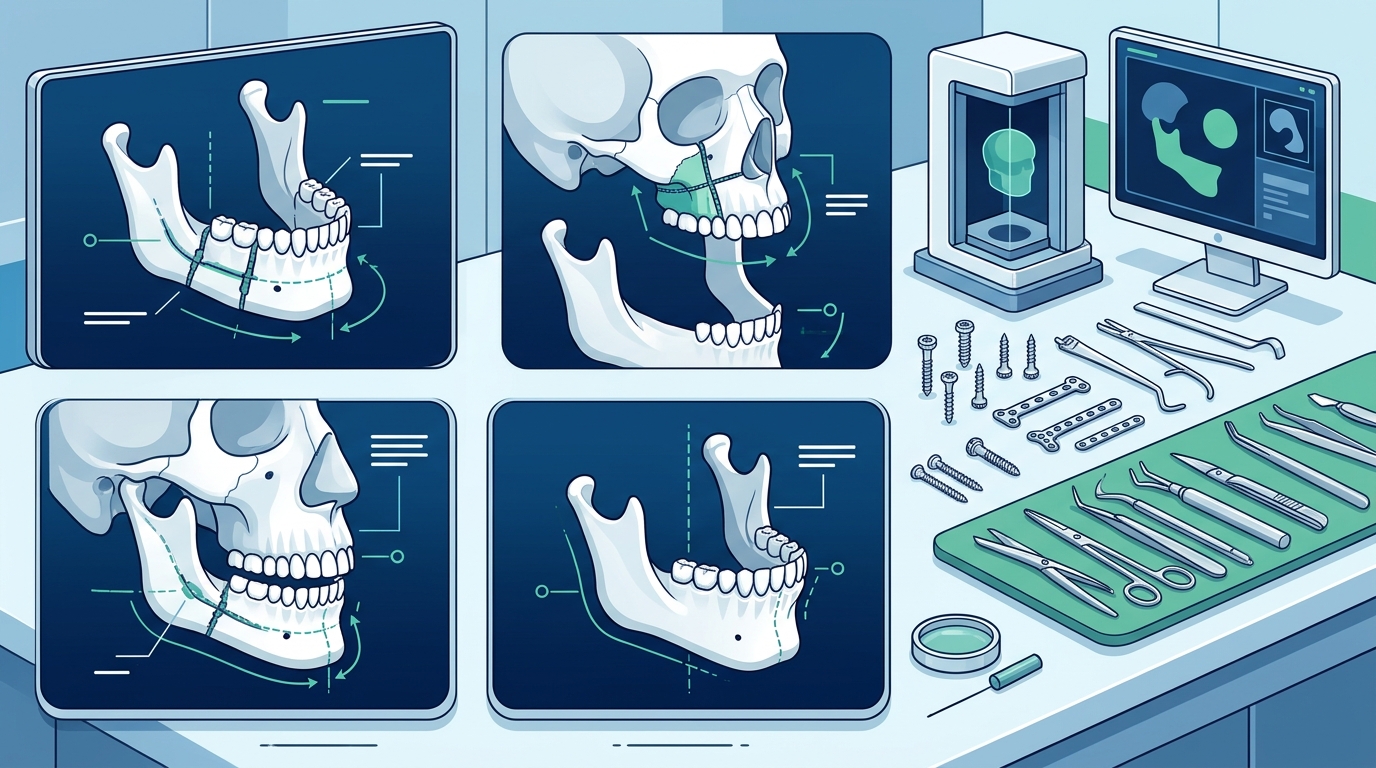
Maxillary osteotomy is a surgical technique that repositions the entire upper jaw to correct vertical or horizontal discrepancies. This procedure involves making precise cuts in the bone above the upper teeth to free the maxilla from the surrounding facial skeleton. The surgeon can then move the upper jaw forward, backward, up, or down to achieve the ideal occlusion. This approach is frequently used when trauma has caused the upper jaw to become underdeveloped or misaligned relative to the lower jaw.
2. Mandibular Osteotomy
Mandibular osteotomy is a procedure that reshapes and repositions the lower jaw to correct skeletal imbalances. Cuts are made to the bone behind the molars and lengthwise down the jawbone, allowing the front of the jaw to be moved into a new position. This technique is essential for correcting underbites, overbites, or lateral shifts caused by fractures. By securing the bone with plates and screws, the surgeon ensures stability while the jaw heals in its corrected alignment.
3. Bimaxillary Surgery
Bimaxillary surgery is a comprehensive approach that repositions both the upper and lower jaws simultaneously. This complex procedure is often required when trauma has affected both jaws or when the skeletal discrepancy is too severe for a single-jaw correction. The surgeon coordinates the movement of both the maxilla and mandible to restore a harmonious bite and facial profile. This method provides the most significant functional and aesthetic improvements for patients with complex skeletal injuries.
4. Maxillomandibular Advancement
Maxillomandibular advancement is a specific type of bimaxillary surgery designed to expand the airway and treat obstructive sleep apnea. Both jaws are moved forward to increase the space in the throat, which can alleviate breathing issues that may have been exacerbated by trauma. This procedure is often combined with other corrective measures to address both functional breathing concerns and dental alignment. It is a critical intervention for patients whose injuries have compromised their airway integrity.
5. Genioplasty
Genioplasty is a surgical procedure that reshapes or repositions the chin to improve facial balance and function. Often performed in conjunction with other jaw surgeries, this technique addresses a weak, receding, or overly prominent chin resulting from injury. The surgeon can move the chin bone forward, backward, or rotate it to achieve symmetry. This procedure not only enhances aesthetics but can also support lip closure and improve airway space in certain cases.
Choosing the Right Surgical Approach
Selecting the appropriate type of corrective jaw surgery depends on the specific nature of the injury and the patient's long-term functional goals. A thorough evaluation using 3D CT scans and virtual surgical planning is essential to determine the best course of action. At Park Avenue Oral, Maxillofacial & Implant Surgery, we combine advanced technology with surgical expertise to deliver safer procedures and optimal results.
Frequently Asked Questions
How long does recovery take after corrective jaw surgery?
Recovery typically takes 1 to 3 weeks for initial healing, with a liquid to soft diet required during this period. Full integration of the bone and final aesthetic results may take several months. Patients are advised to follow strict post-operative instructions to ensure a smooth recovery.
Is corrective jaw surgery painful?
The surgery itself is performed under general anesthesia, so patients feel no pain during the procedure. Post-operative discomfort is managed with prescribed medications and advanced pain relief options. Most patients report that the pain is manageable and significantly less than the functional limitations they experienced before surgery.
Can jaw surgery fix a bad bite caused by an injury?
Yes, orthognathic surgery is highly effective at correcting bite misalignments caused by trauma. By repositioning the jaws, the surgeon can restore proper occlusion and prevent long-term wear on the teeth. This functional correction is a primary goal of corrective jaw surgery.
What technology is used to plan jaw surgery?
Virtual Surgical Planning (VSP) is used to simulate the surgery on a computer before it happens. This allows the surgical team to create custom guides and ensure precise movements. The use of 3D imaging and planning tools enhances accuracy and shortens surgery time.
Do I need braces before jaw surgery?
In many cases, orthodontic preparation is required to align the teeth before surgery. This process, which can take 6 to 18 months, ensures that the teeth are in the correct position to be moved with the jaw. However, in some trauma cases, surgery may be performed without extensive pre-surgical orthodontics.
Next Steps for Your Recovery
If you are dealing with the aftermath of a jaw injury, a consultation with a specialist is the best way to determine your treatment options. At Park Avenue Oral, Maxillofacial & Implant Surgery, we are committed to providing compassionate, evidence-based care. To schedule your evaluation, today.