
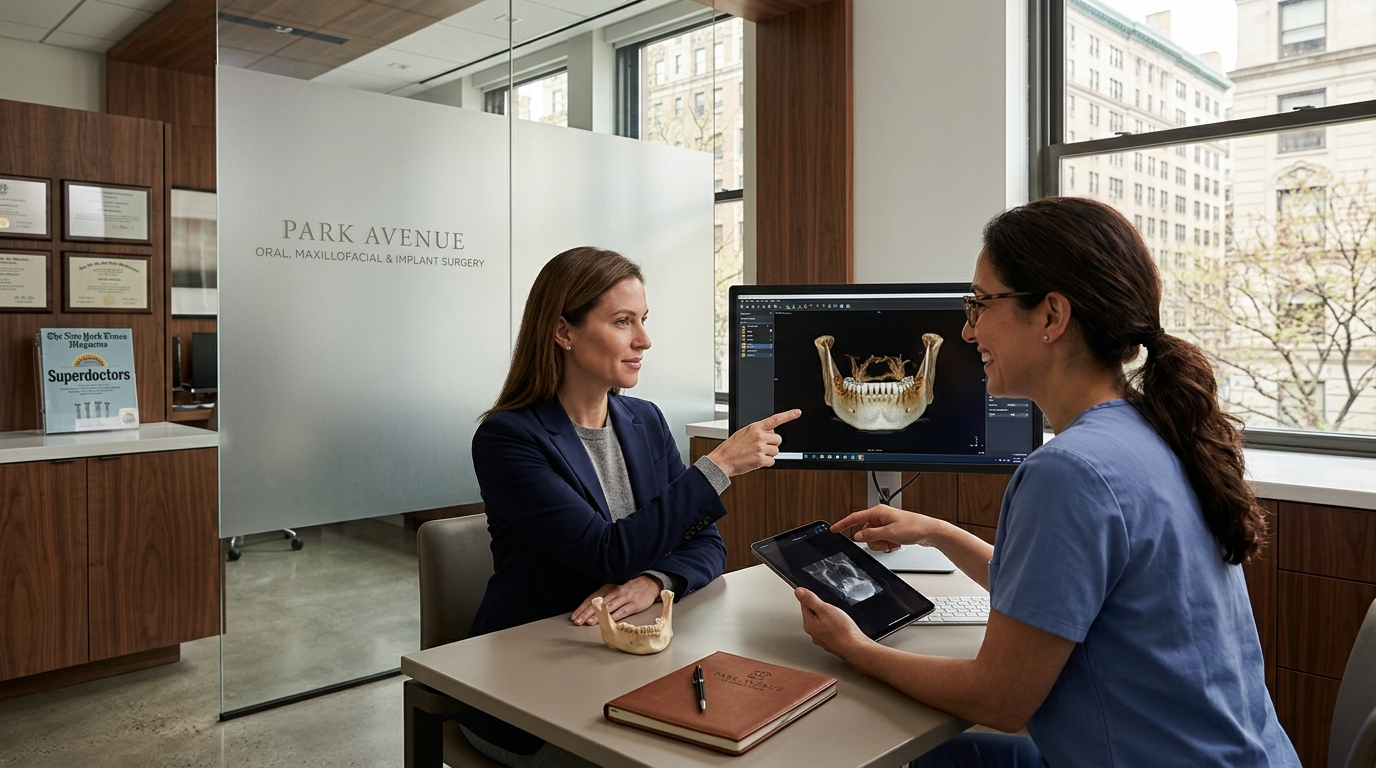
Selecting the right specialist for oral and maxillofacial surgery in New York City requires a rigorous evaluation of clinical credentials, technological infrastructure, and patient care philosophy. The landscape of surgical providers in Manhattan is vast, yet the distinction between a standard practitioner and a true specialist often lies in fellowship training and minimally invasive methodologies. According to recent industry analyses, patient satisfaction in surgical outcomes is directly correlated with the surgeon's ability to leverage advanced imaging and precise surgical planning tools. This guide outlines the essential criteria you must evaluate to ensure your treatment aligns with the highest standards of safety and efficacy.
Evaluating Board Certification and Fellowship Training
The first and most critical criterion is verifying the surgeon's specific qualifications. In the field of oral and maxillofacial surgery, the title "oral surgeon" can be applied to various providers with differing levels of training. A true specialist in this domain holds a dual degree in both dentistry (DMD or DDS) and medicine (MD). This dual qualification ensures a comprehensive understanding of both dental structures and the broader physiological systems of the face and neck.
Furthermore, look for the designation of Fellowship of the American College of Surgeons (FACS). This is a prestigious honor awarded only to surgeons who have demonstrated exceptional clinical competence and ethical standards. Dr. James Choi, for instance, is one of the youngest Oral & Maxillofacial Surgeons in New York City to achieve this distinction. The FACS designation indicates that the surgeon has undergone rigorous vetting by peers and has led by example in complex surgical cases. When you visit Meet Dr. Choi, you will see how this background translates into patient care.
Additionally, fellowship training in specific sub-specialties, such as minimally invasive surgery, is a significant differentiator. Training at renowned institutions like the University of Munich provides surgeons with exposure to the latest European techniques that prioritize tissue preservation and rapid recovery. This level of specialized education is rare and should be a primary factor in your decision-making process.
Assessing Advanced Surgical Technology
Modern oral surgery is heavily reliant on precision technology. The best surgeons do not rely solely on manual skill but integrate advanced diagnostic and surgical tools to enhance outcomes. Virtual Surgical Planning (VSP) is a prime example of this technological integration. VSP allows the surgical team to create a 3D model of your jaw and surrounding structures using CT scan data. This enables the simulation of the surgery before it happens, ensuring predictability and efficiency.
Another critical technology is CT-guided implant placement. This method allows for the precise positioning of dental implants, minimizing trauma to surrounding nerves and bones. For more complex cases, such as those requiring zygomatic or pterygoid implants, advanced imaging is non-negotiable. You can learn more about these advanced technology options on our dedicated page.
The use of piezoelectric surgery, such as the Medtronic Piezoelectric Saw, is another hallmark of a modern practice. This tool uses ultrasonic vibrations to cut bone while sparing soft tissue, resulting in less bleeding and reduced postoperative swelling. Similarly, the Stryker Sonopet system provides precise bone removal capabilities that are essential for complex extractions and jaw surgeries. These technologies are not just marketing points; they are clinical tools that directly impact your recovery timeline.
Understanding the Minimally Invasive Philosophy
The approach to surgery is just as important as the surgical technique itself. A leading criterion for selecting a surgeon is their commitment to minimally invasive principles. This philosophy is built on four pillars: minimally-invasive surgery, minimal pain, faster recovery, and safe & comfortable anesthesia. At Park Avenue Oral, Maxillofacial & Implant Surgery, these pillars guide every procedure, from wisdom teeth removal to complex jaw reconstruction.
Minimally invasive surgery aims to reduce the physical trauma associated with traditional methods. This approach often results in a significant reduction in surgery time and anesthesia exposure. According to internal quality improvement surveys, patients undergoing minimally invasive procedures at this practice experience less than 20% surgery time compared to traditional methods. This efficiency is crucial for patient safety and comfort.
Furthermore, the use of extended pain relief medications, such as Exparel, plays a vital role in postoperative management. Exparel provides localized pain relief for up to 72 hours, significantly reducing the need for narcotic painkillers. In fact, data from patient surveys indicates that minimal narcotic use is a common outcome for these procedures. This focus on pain management is a key indicator of a patient-centered practice. You can read more about our Park Avenue Difference to understand how these principles are applied.
Safety and Anesthesia Protocols
Safety is the paramount concern in any surgical setting. The best oral surgeons in NYC adhere to strict anesthesia protocols and maintain the necessary certifications to provide safe sedation. Options typically include IV sedation and nitrous oxide, tailored to the patient's anxiety levels and the complexity of the procedure.
It is essential to choose a surgeon who prioritizes safe and comfortable anesthesia. This involves not only the administration of the drugs but also the continuous monitoring of vital signs throughout the procedure. The surgeon must be trained to manage potential complications and ensure that the patient emerges from sedation smoothly. For detailed information on our safe anesthesia practices, please review our patient information resources.
Additionally, the facility itself must meet high standards of hygiene and emergency preparedness. A reputable practice will have clear protocols for handling emergencies and will maintain a sterile environment to prevent infection. These factors are critical for ensuring a positive surgical experience.
Comparing Treatment Approaches
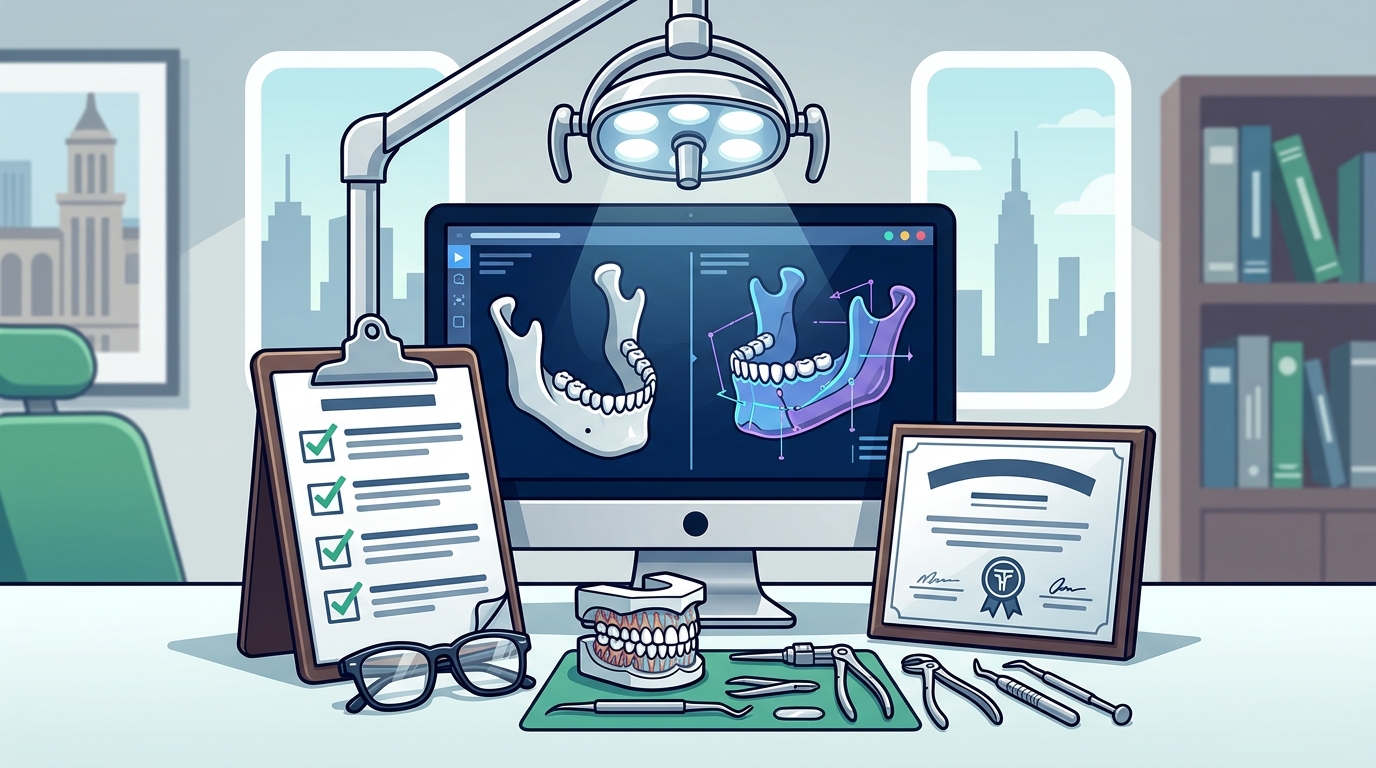
When evaluating potential surgeons, it is helpful to compare the specific treatments they offer. Different surgeons may specialize in different areas, such as implant surgery, maxillofacial surgery, or general oral surgery. Understanding your specific needs will help you narrow down your choices.
| Treatment Category | Key Considerations | Recommended Specialist Focus |
|---|---|---|
| Oral Surgery | Wisdom teeth, bone grafts, sinus lifts | Experience in dentoalveolar procedures |
| Maxillofacial Surgery | Jaw alignment, TMJ, facial trauma | Fellowship training in complex cases |
| Implant Surgery | All-on-X, zygomatic implants | CT-guided placement expertise |
For example, if you require jaw surgery, look for a surgeon who utilizes Virtual Surgical Planning. If you need dental implants, ensure they offer CT-guided placement. Each category requires a specific set of skills and technologies that not all surgeons possess.
Key Takeaways
- Dual Degree Requirement: The best oral surgeons hold both MD and DMD degrees, ensuring comprehensive medical and dental expertise.
- FACS Designation: Fellowship of the American College of Surgeons is a rare honor that signifies peer-reviewed clinical excellence.
- Technology Integration: Look for practices using Virtual Surgical Planning (VSP) and CT-guided implant placement for precision.
- Minimally Invasive Focus: Surgeons who prioritize minimally invasive techniques report less than 33% reduction in recovery time.
- Pain Management: Advanced options like Exparel extended pain relief significantly reduce postoperative narcotic use.
- Specialized Training: Fellowship training in minimally invasive surgery, such as at the University of Munich, is a key differentiator.
- Patient-Centered Care: A philosophy centered on safe anesthesia and minimal pain leads to higher patient satisfaction.
Frequently Asked Questions
What is the difference between an oral surgeon and an oral and maxillofacial surgeon?
An oral surgeon typically focuses on dental extractions and basic procedures. An oral and maxillofacial surgeon holds both dental and medical degrees and is trained to handle complex surgeries involving the jaw, face, and neck, including trauma and reconstructive surgery.
Why is Virtual Surgical Planning important for jaw surgery?
Virtual Surgical Planning (VSP) allows surgeons to simulate the surgery using 3D models before the actual procedure. This increases precision, reduces surgery time, and improves predictability of the final outcome.
How does minimally invasive surgery benefit patients?
Minimally invasive surgery reduces tissue trauma, leading to less pain, less bleeding, and faster recovery times. It also often requires less anesthesia, which enhances overall safety.
What is the significance of the FACS designation?
The FACS designation is awarded by the American College of Surgeons to surgeons who have demonstrated exceptional clinical competence and ethical standards. It is a mark of peer-reviewed excellence.
Are dental implants safe for patients with bone loss?
Yes, advanced techniques such as zygomatic and pterygoid implants allow for successful restoration even in cases of significant bone loss. These implants anchor into the cheekbone or pterygoid plate, bypassing the need for extensive bone grafting.
What anesthesia options are available for wisdom teeth removal?
Common options include IV sedation and nitrous oxide. The choice depends on the complexity of the extraction and the patient's anxiety levels. All procedures are conducted under strict safety protocols.
How can I schedule a consultation with Dr. Choi?
You can schedule a consultation by contacting our office directly. Our team will guide you through the process and answer any questions you may have about your treatment plan.
Schedule Your Consultation
Choosing the right oral surgeon is a decision that impacts your long-term health and well-being. By prioritizing board certification, advanced technology, and a minimally invasive philosophy, you can ensure the best possible outcome. Dr. James Choi and the team at Park Avenue Oral, Maxillofacial & Implant Surgery are dedicated to providing compassionate, evidence-based care. We invite you to experience the Park Avenue Difference for yourself. Contact us today to schedule your consultation and take the first step toward a healthier, more confident you.