
Choosing a dental professional for surgical intervention is one of the most significant health decisions a patient can make. According to the American Association of Oral and Maxillofacial Surgeons, over 3.5 million wisdom teeth are removed annually in the United States alone. This high volume of procedures highlights the critical need for patients to understand the qualifications, experience, and surgical protocols of their chosen provider. The difference between a routine extraction and a complex surgical outcome often lies in the surgeon’s specific training and the technology they utilize. This guide provides a structured framework for evaluating potential oral surgeons, ensuring you receive safe, effective, and comfortable care.
Verifying Credentials and Board Certification
The foundation of safe oral surgery rests on rigorous academic and clinical training. Oral and maxillofacial surgeons are not general dentists who have taken a short course in extractions. They are specialists who have completed a four-year residency program in hospital-based surgical and anesthesia training after dental school. This extensive education allows them to perform complex procedures ranging from dental implant placement to corrective jaw surgery.
When evaluating a surgeon, the first step is to verify their board certification. Board certification is a voluntary process that demonstrates a surgeon has met the highest standards of education, training, and examination. It is distinct from state licensure, which is the minimum legal requirement to practice. A board-certified surgeon has undergone peer review and must adhere to strict ethical and clinical standards. This distinction is vital for patients seeking complex care, as it ensures the provider has proven competence beyond the basic requirements.
Oral surgery is defined as the specialty of dentistry that deals with the diagnosis, surgical treatment, and management of diseases, injuries, and defects of the hard and soft tissues of the oral and maxillofacial region. Understanding this definition helps patients recognize why specialized training is non-negotiable for procedures involving bone grafting, nerve involvement, or airway management. Always ask your potential surgeon about their residency background and whether they are board-certified by the relevant national board.
The Role of Advanced Imaging and Technology
Modern oral surgery relies heavily on precise diagnostic imaging to plan procedures safely. Traditional two-dimensional X-rays often fail to show the full complexity of nerve pathways, sinus cavities, and bone density. Cone Beam Computed Tomography (CBCT) scans provide a three-dimensional view of the facial structures. This technology allows surgeons to visualize the exact location of the inferior alveolar nerve, reducing the risk of nerve damage during implant placement or wisdom tooth extraction.
In-office 3D imaging is a hallmark of a high-quality oral surgery practice. It enables immediate diagnosis and treatment planning without the need for external referrals. This efficiency not only saves time but also enhances the accuracy of the surgical guide used during the procedure. According to recent studies in dental implantology, the use of computer-guided surgery significantly reduces surgical time and improves the long-term success rate of implants. Patients should inquire if the practice utilizes digital impressions and 3D printing for surgical guides, as these technologies minimize invasiveness and accelerate healing.
Digital radiography also reduces radiation exposure by up to 90% compared to traditional film X-rays. This is a critical safety feature for patients who require multiple images over time. When selecting a surgeon, ask about their imaging protocols. A practice that invests in the latest diagnostic tools is more likely to deliver precise, predictable outcomes. The integration of technology into the diagnostic phase is a strong indicator of a surgeon’s commitment to patient safety and procedural excellence.
Understanding Anesthesia and Sedation Options
Comfort during oral surgery is paramount. The level of sedation required depends on the complexity of the procedure, the patient’s anxiety level, and their overall health. Oral and maxillofacial surgeons are uniquely qualified to administer various forms of sedation, including local anesthesia, nitrous oxide, oral conscious sedation, and intravenous (IV) sedation. General anesthesia, which renders the patient completely unconscious, is also within their scope of practice when performed in an accredited surgical facility.
Intravenous sedation is often the preferred method for complex extractions and implant placements. It allows the surgeon to titrate the medication precisely, ensuring the patient remains comfortable yet responsive. This level of control is critical for managing pain and anxiety while maintaining airway safety. According to the American Dental Association, IV sedation provides a deeper level of relaxation than oral medications, making it ideal for patients with severe dental phobia. The surgeon must be certified in advanced cardiac life support (ACLS) to manage any potential complications during sedation.
Local anesthesia is the most common form of pain control, numbing the specific area of the mouth. It is often used in conjunction with nitrous oxide for mild anxiety. Nitrous oxide, or laughing gas, wears off quickly, allowing patients to drive themselves home. However, for more extensive surgeries, a responsible adult must accompany the patient. Understanding these options during your consultation helps you prepare mentally and physically for the day of surgery. Discuss your medical history openly with the surgeon to determine the safest and most effective sedation plan for your needs.
Evaluating Surgical Experience and Specialization
Not all oral surgeons have the same level of experience with every type of procedure. While many surgeons perform routine wisdom tooth extractions daily, others may specialize in complex jaw realignment or trauma repair. It is important to align your specific needs with the surgeon’s expertise. For example, if you require dental implants in the posterior maxilla, a surgeon with extensive experience in sinus lift procedures is essential.
Ask about the surgeon’s volume of specific procedures. A surgeon who performs hundreds of implant placements per year is likely to have refined their technique and developed a streamlined protocol for healing. Experience also correlates with the ability to manage unexpected complications. During your consultation, do not hesitate to ask how many similar cases they have handled and what their success rate is. Transparency in this area is a sign of confidence and professionalism.
Implant dentistry is defined as the process of replacing missing teeth with artificial roots and crowns that function like natural teeth. This procedure requires precise bone integration and aesthetic planning. A surgeon with a robust portfolio of before-and-after photos can demonstrate their aesthetic sensibility and technical skill. Reviewing these cases can provide reassurance that the surgeon can achieve both functional and cosmetic goals. Additionally, consider the surgeon’s relationship with local hospitals. In the rare event that a procedure requires hospital admission, a surgeon with hospital privileges has already undergone a rigorous credentialing process.
What to Expect During the Initial Consultation
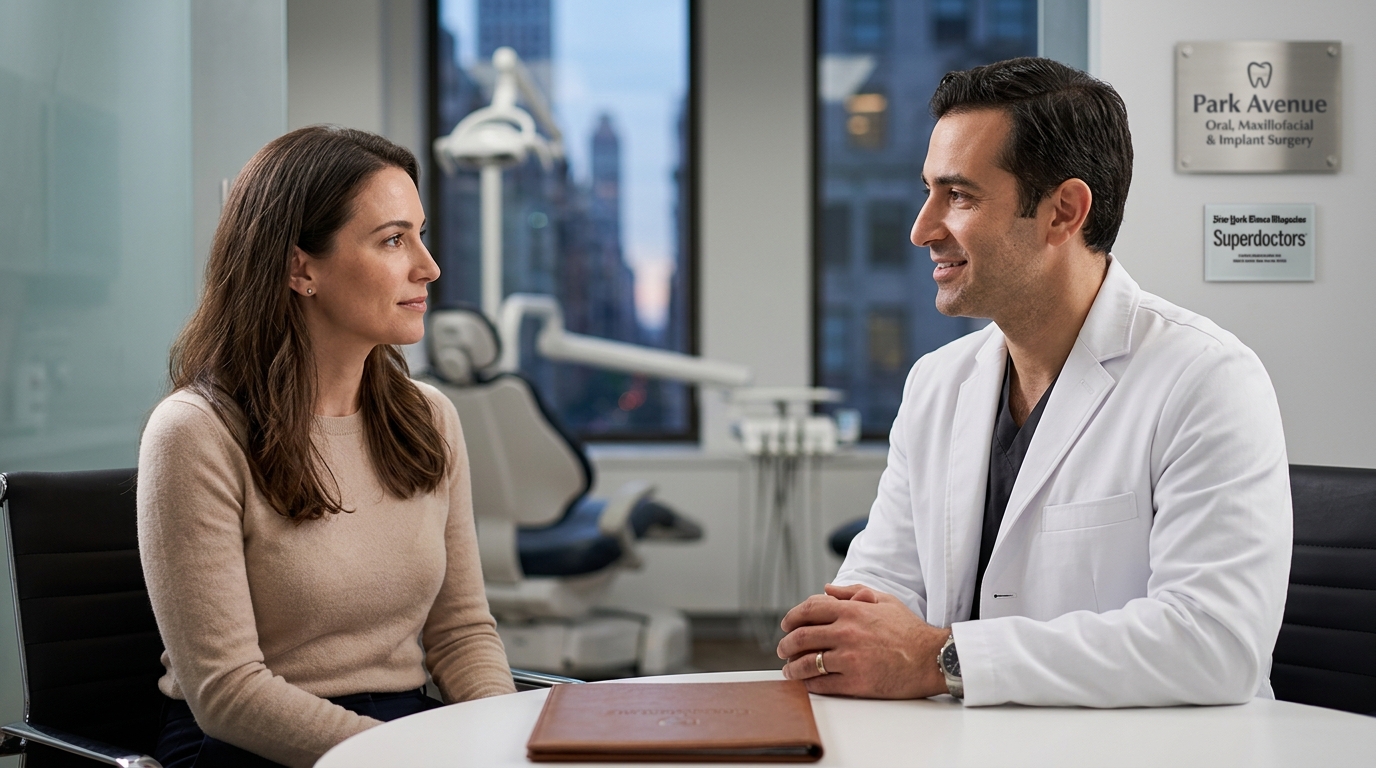
The initial consultation is your opportunity to assess the surgeon’s communication style and bedside manner. This meeting should be thorough, involving a comprehensive examination and review of your medical history. The surgeon should explain your diagnosis clearly, using visual aids to illustrate the problem and the proposed solution. A good surgeon listens to your concerns and answers questions without rushing you to a decision.
During this visit, you should receive a detailed treatment plan. This plan should outline the steps of the procedure, the estimated duration, and the post-operative care instructions. It should also include a clear breakdown of costs and insurance coverage. If the surgeon is hesitant to provide this information or pressures you to schedule immediately, consider seeking a second opinion. Trust and transparency are the cornerstones of the patient-provider relationship.
Post-operative care is a critical component of the surgical outcome. The surgeon should provide written instructions on how to manage swelling, bleeding, and pain. They should also be available for follow-up questions or emergencies. A practice that emphasizes patient education and support demonstrates a commitment to long-term health. Use this consultation to gauge your comfort level with the surgeon. If you feel heard and respected, you are more likely to have a positive experience throughout the treatment process.
Comparing Treatment Plans and Costs
While cost should not be the sole deciding factor, it is a practical consideration for many patients. Oral surgery costs vary widely based on the complexity of the case, the type of anesthesia used, and the geographic location of the practice. It is important to compare the value of the treatment plan rather than just the bottom line. A lower cost may indicate less experienced staff, outdated technology, or hidden fees.
| Procedure Type | Typical Complexity | Key Considerations | Estimated Cost Range (USD) |
|---|---|---|---|
| Simple Extraction | Low | Visible tooth, minimal bone removal | $150 - $300 |
| Surgical Extraction | Medium | Impacted tooth, bone removal required | $300 - $600 |
| Wisdom Tooth Removal (Per Tooth) | Medium to High | Depends on impaction level and nerve proximity | $225 - $600 |
| Dental Implant Placement | High | Requires bone grafting, precise positioning | $1,500 - $3,000 |
| Corrective Jaw Surgery | Very High | Hospital stay, extensive rehabilitation | $20,000 - $40,000 |
Insurance coverage for oral surgery varies significantly. Some plans cover extractions but not implants, while others may cover a portion of the surgical fee. Ask the office manager to verify your benefits before treatment begins. Many practices also offer financing options through third-party providers like CareCredit. These plans can make high-cost procedures more manageable by offering low-interest or interest-free payment periods. Understanding your financial options upfront prevents stress during the recovery period.
Key Takeaways for Patients
- Verify Board Certification: Ensure your surgeon is board-certified by the American Board of Oral and Maxillofacial Surgery or an equivalent national body.
- Check Technology: Look for practices that utilize Cone Beam CT scans and digital impressions for precise planning.
- Understand Sedation: Discuss your anxiety levels and medical history to determine the safest sedation option.
- Evaluate Experience: Ask about the surgeon’s specific experience with your type of procedure and request to see before-and-after photos.
- Assess Communication: Choose a surgeon who listens to your concerns and explains the treatment plan clearly.
- Review Costs: Compare detailed treatment plans and financing options, but prioritize value over price.
- Confirm Hospital Privileges: Verify that the surgeon has privileges at a local hospital for emergency care.
Frequently Asked Questions
How long does it take to recover from wisdom tooth extraction?
Recovery time varies by individual, but most patients experience significant improvement within three to four days. Complete healing of the gum tissue and bone typically takes six to eight weeks. Swelling and discomfort are most intense during the first 48 hours.
Is dental implant surgery painful?
The procedure itself is painless due to local anesthesia and sedation. Post-operative discomfort is usually manageable with prescribed pain medication. Most patients report that the recovery is less painful than they anticipated. According to patient surveys, over 80% of implant recipients rate their pain level as mild to moderate.
Can oral surgeons perform jaw realignment surgery?
Yes, oral and maxillofacial surgeons are the specialists trained to perform corrective jaw surgery (orthognathic surgery). This procedure corrects skeletal discrepancies that affect chewing, speaking, and breathing. It is often performed in conjunction with orthodontic treatment.
What is the difference between an oral surgeon and a periodontist?
Both specialists treat gum disease and place implants. However, oral surgeons have additional training in hospital-based surgery and anesthesia. They are better equipped to handle complex extractions, trauma, and jaw pathology. Periodontists focus more on the preservation of natural teeth and gum health.
How do I choose between IV sedation and general anesthesia?
The choice depends on the complexity of the surgery and your medical history. IV sedation is lighter and allows for quicker recovery, while general anesthesia renders you completely unconscious. Your surgeon will recommend the option that ensures your safety and comfort.
Are dental implants covered by insurance?
Insurance coverage for implants varies widely. Some plans cover the crown but not the implant post, while others may not cover it at all. It is essential to check your specific policy details and ask the office to submit a pre-treatment estimate.
What should I eat after oral surgery?
Stick to soft, cool foods for the first few days, such as yogurt, applesauce, and smoothies. Avoid hot liquids, straws, and crunchy foods that can disrupt the blood clot. Gradually reintroduce solid foods as healing progresses.
Schedule Your Consultation
Taking the first step toward better oral health requires a trusted partner. At Park Avenue Oral Surgery, we are dedicated to providing exceptional care with the highest standards of safety and comfort. Our team of experienced surgeons utilizes state-of-the-art technology to deliver precise, predictable outcomes. We invite you to schedule a consultation to discuss your needs and explore your treatment options. Contact us today to begin your journey to a healthier smile.