
Dental Implant Complications: Common Mistakes That Lead to Failure and How to Prevent Them
Dental implants are widely recognized as the gold standard for tooth replacement, yet they are not immune to failure. According to recent clinical data, the long-term survival rate of dental implants is approximately 95% to 98% over ten years, but the remaining percentage represents significant clinical challenges for both patients and surgeons. Understanding the specific mechanical, biological, and procedural errors that lead to these complications is essential for ensuring a successful outcome. This guide explores the critical pitfalls in implant dentistry and the advanced protocols used to mitigate them.
Inadequate Pre-Surgical Planning and Bone Assessment
One of the most frequent causes of implant failure is insufficient pre-surgical planning. Placing an implant without a comprehensive understanding of the local anatomy can lead to catastrophic errors. The maxillary sinus and the inferior alveolar nerve are two critical structures that must be avoided during surgery. Failure to account for bone volume and density can result in implant instability or nerve damage.
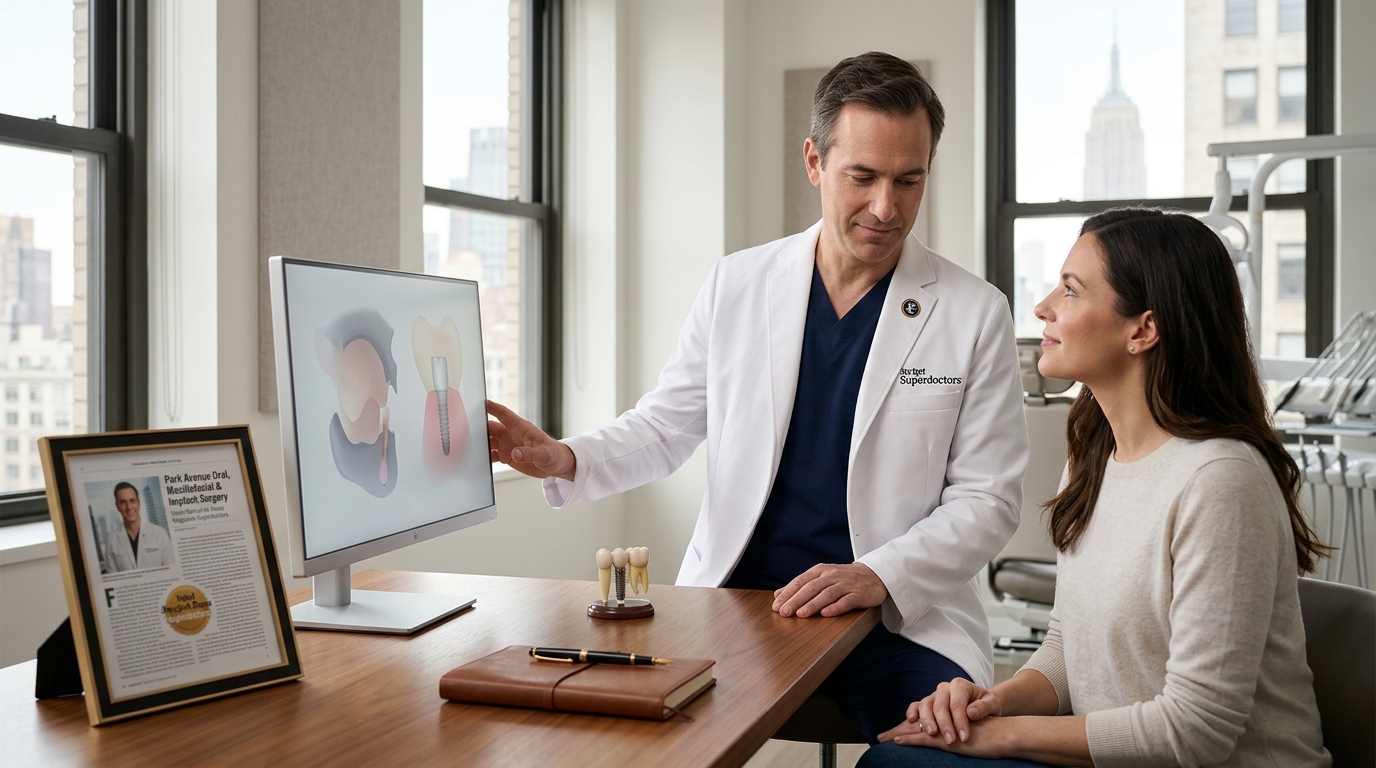
Virtual Surgical Planning (VSP) has revolutionized this phase of treatment. By utilizing 3D imaging data, surgeons can simulate the entire procedure before making an incision. This allows for precise determination of implant size, angle, and depth. Virtual Surgical Planning ensures that the implant is placed in the optimal position for both function and aesthetics. Without this level of precision, surgeons risk placing implants in areas with inadequate bone support, leading to early failure.
Another common mistake is ignoring the need for bone grafting when necessary. If the jawbone has resorbed due to long-term tooth loss, placing an implant directly into insufficient bone will result in poor osseointegration. Bone grafting procedures are often required to rebuild the foundation. Skipping this step to save time or cost is a critical error that compromises the entire treatment plan.
Thermal Bone Necrosis and Poor Osseointegration
Osseointegration is the process by which the jawbone fuses with the titanium implant surface. This biological bond is the cornerstone of implant success. A major cause of failed osseointegration is thermal bone necrosis, which occurs when the drill generates excessive heat during osteotomy preparation. Bone tissue is highly sensitive to temperature changes, and temperatures exceeding 47 degrees Celsius can cause cell death.
To prevent this, surgeons must use sharp drills with adequate irrigation. However, even with proper technique, traditional drilling can generate significant heat. This is where advanced technology like the Medtronic Piezoelectric Saw becomes invaluable. Piezoelectric surgery uses ultrasonic vibrations to cut bone selectively. It cuts hard tissue while sparing soft tissue and generates minimal heat. This precision significantly reduces the risk of thermal damage and promotes faster healing.
Another factor in osseointegration is the quality of the implant surface. Modern implants are designed with micro-textured surfaces to enhance bone attachment. However, if the implant is placed with excessive torque or if the bone is overly dense without proper tapering, the bone cells may be crushed rather than stimulated to grow. Proper surgical technique and adherence to manufacturer protocols are essential to avoid this mechanical failure.
Infection Control and Peri-Implantitis
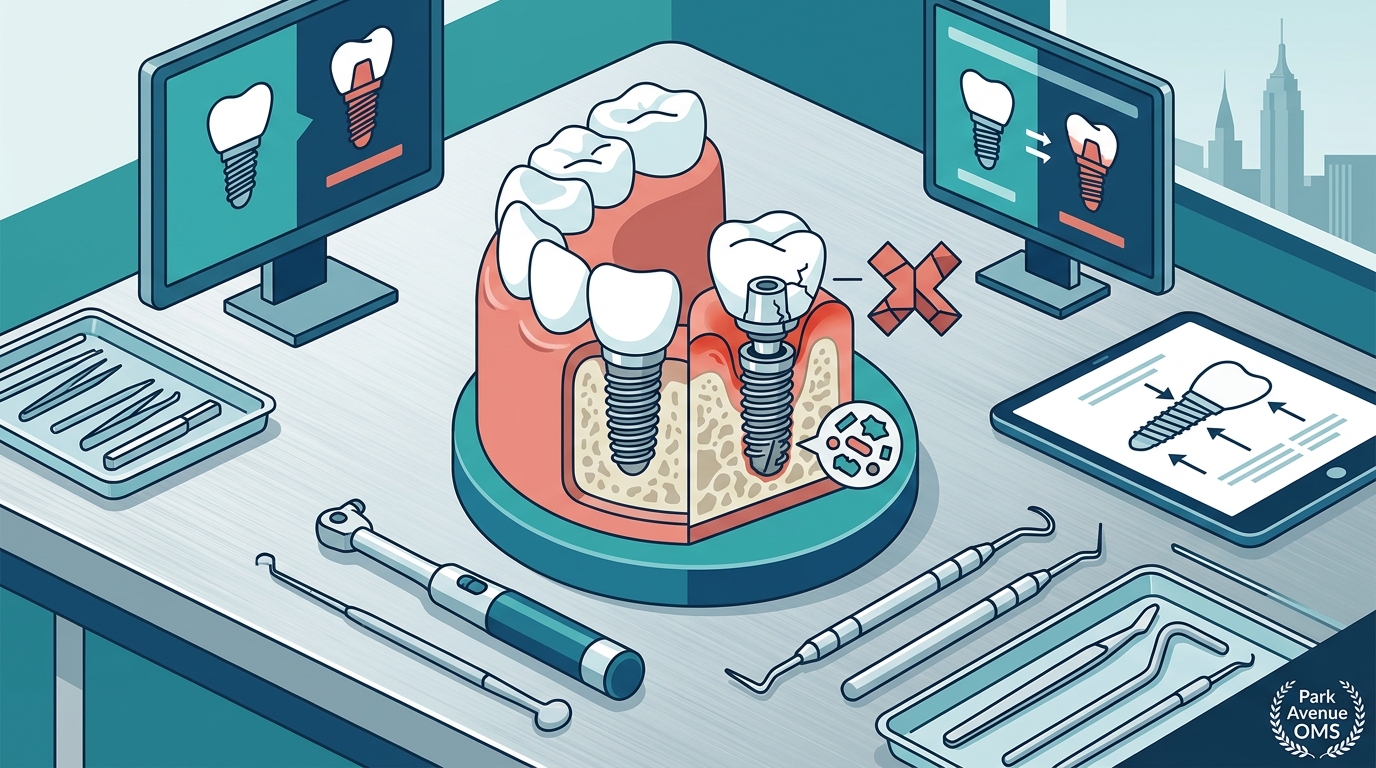
Infection is a leading cause of late implant failure. Peri-implantitis is an inflammatory process affecting the soft and hard tissues around an implant, similar to periodontal disease around natural teeth. It can lead to bone loss and eventual implant loosening. The primary cause of peri-implantitis is bacterial plaque accumulation due to poor oral hygiene or inadequate professional maintenance.
Prevention begins with strict aseptic technique during surgery. Contamination of the implant surface with bacteria or debris from the oral cavity can prevent proper healing. Surgeons must ensure that the surgical site is thoroughly cleaned and that the implant is handled with sterile instruments. Additionally, the use of Exparel Extended Pain Relief can help manage post-operative inflammation, which indirectly supports a cleaner healing environment by reducing the need for excessive NSAID use that might impair healing.
Patient education is equally critical. Patients must understand that an implant requires the same level of care as a natural tooth. Regular dental cleanings and proper brushing techniques are non-negotiable. For patients with a history of gum disease, more frequent monitoring is required to detect early signs of peri-implantitis. Early intervention can often reverse the condition before it leads to implant loss.
Prosthetic and Biomechanical Errors
Even a perfectly integrated implant can fail if the prosthetic restoration is flawed. Biomechanical overload is a common issue where the forces exerted on the implant exceed the bone's ability to withstand them. This can happen if the implant is placed in a position that creates unfavorable leverage or if the bite is not properly balanced.
One specific error is the improper angulation of the implant. If the implant is tilted, the forces during chewing are directed laterally rather than axially. This lateral stress can cause micro-fractures in the bone around the implant. CT guided Implant Placement helps surgeons avoid this by providing a clear view of the bone structure and allowing for precise angulation planning.
Another prosthetic mistake is the use of cement-retained crowns with excess cement. If cement is not completely removed from under the gum line, it acts as a nidus for inflammation and infection. This can lead to rapid bone loss around the implant. Screw-retained restorations are often preferred to eliminate this risk, but they require precise fit to avoid screw loosening. Both options require meticulous attention to detail by the restorative dentist.
Patient-Specific Risk Factors and Lifestyle
Patient health plays a significant role in implant success. Systemic conditions such as uncontrolled diabetes, osteoporosis, and autoimmune disorders can impair healing and increase the risk of failure. Smoking is another major risk factor. Nicotine constricts blood vessels, reducing blood flow to the surgical site and delaying healing. Smokers have a significantly higher rate of implant failure compared to non-smokers.
Bruxism, or teeth grinding, also poses a serious threat. The excessive force generated by grinding can overload the implant-bone interface. Patients with bruxism often require a night guard to protect their implants. Additionally, patients with insufficient bone density may need more advanced procedures, such as Zygoma and Pterygoid Implants, which anchor into the cheekbone rather than the jawbone, bypassing areas of poor bone quality.
Understanding these risk factors allows surgeons to tailor treatment plans to individual patients. For high-risk patients, a more conservative approach with longer healing times or additional support procedures may be necessary. Open communication between the patient and the surgical team is vital to managing expectations and ensuring the best possible outcome.
The Role of Advanced Technology in Prevention
Advancements in oral surgery technology have dramatically reduced the incidence of implant complications. The integration of digital workflows allows for greater precision and predictability. From the initial scan to the final restoration, every step can be planned and executed with high accuracy.
| Technology | Function | Benefit in Implant Surgery |
|---|---|---|
| Virtual Surgical Planning | 3D Simulation of Surgery | Prevents nerve damage and ensures optimal implant placement. |
| CT Guided Implant Placement | Real-time Navigation | Enhances precision and safety during bone preparation. |
| Medtronic Piezoelectric Saw | Ultrasonic Bone Cutting | Minimizes thermal necrosis and soft tissue damage. |
| Exparel Extended Pain Relief | Long-acting Anesthetic | Reduces post-operative pain and inflammation. |
These technologies are not just tools; they are essential components of a modern, safe implant protocol. By leveraging these advancements, surgeons can minimize risks and maximize patient comfort. For example, the use of Stryker Sonopet can further enhance soft tissue management during complex cases.
Key Takeaways
- Inadequate Planning: Failure to assess bone volume and anatomy often leads to nerve damage or implant instability. Virtual Surgical Planning is critical for prevention.
- Thermal Damage: Excessive heat during drilling causes bone necrosis. Piezoelectric surgery offers a safer alternative by minimizing thermal injury.
- Infection Risks: Peri-implantitis is a major cause of late failure. Strict aseptic technique and patient hygiene are essential.
- Biomechanical Overload: Improper implant angulation or excessive force from bruxism can cause mechanical failure. CT guided placement helps optimize angulation.
- Patient Health: Smoking and uncontrolled diabetes significantly increase failure rates. Patient education and lifestyle modifications are key.
- Advanced Technology: Utilizing tools like CT guided Implant Placement and Exparel Extended Pain Relief enhances safety and recovery.
- Expert Care: Choosing a board-certified oral surgeon with fellowship training ensures adherence to the highest standards of care.
Frequently Asked Questions
What is the most common cause of dental implant failure?
The most common causes are poor osseointegration due to thermal bone damage or infection (peri-implantitis). Both are largely preventable with advanced surgical techniques and proper aftercare.
How does Virtual Surgical Planning prevent complications?
Virtual Surgical Planning allows surgeons to simulate the procedure in 3D, identifying potential risks like nerve proximity and bone density issues before surgery begins. This reduces the likelihood of intraoperative errors.
Can smoking cause dental implant failure?
Yes, smoking significantly increases the risk of implant failure by restricting blood flow and impairing healing. Smokers are advised to quit or reduce smoking before and after surgery.
What is the role of bone grafting in implant success?
Bone grafting provides the necessary volume and density for implant stability. Without adequate bone, the implant cannot osseointegrate properly, leading to failure.
How is peri-implantitis treated?
Treatment involves professional cleaning, antimicrobial therapy, and sometimes surgical intervention to remove infected tissue and regenerate bone. Early detection is crucial for successful treatment.
What is Piezoelectric surgery?
Piezoelectric surgery uses ultrasonic vibrations to cut bone selectively. It generates minimal heat and spares soft tissue, making it safer and more precise than traditional drilling.
How long does it take for dental implants to heal?
Healing typically takes three to six months, depending on the patient's bone quality and the need for grafting. During this time, osseointegration occurs.
Schedule Your Consultation
Avoiding dental implant complications requires a combination of advanced technology, expert surgical skill, and diligent patient care. Dr. James Choi, a board-certified Oral & Maxillofacial Surgeon with fellowship training in minimally invasive surgery, utilizes the latest protocols to ensure safe and successful outcomes. His approach prioritizes minimal pain, faster recovery, and optimal aesthetic results.
If you are considering dental implants, it is essential to consult with a specialist who understands the complexities of oral surgery. Contact Park Avenue Oral, Maxillofacial & Implant Surgery today to schedule your consultation and learn how advanced implant techniques can restore your smile with confidence.