

Preventing infection after dental implants requires strict adherence to post-operative care protocols, including proper wound hygiene, medication compliance, and avoiding trauma to the surgical site. At Park Avenue Oral, Maxillofacial & Implant Surgery, we emphasize that early detection and proactive maintenance are critical for long-term implant success and osseointegration.
Understanding Post-Implant Infection Risks
Post-implant infection is a biological response to bacterial contamination at the surgical site, which can compromise the stability of the titanium post. The most common cause is poor oral hygiene, where plaque accumulates around the healing abutment or implant crown. Bacteria such as Porphyromonas gingivalis can colonize the peri-implant tissues, leading to inflammation known as peri-implantitis. This condition is distinct from periodontitis but shares similar symptoms, including bleeding gums and bone loss around the implant.
At Park Avenue Oral, Maxillofacial & Implant Surgery, we utilize advanced diagnostic imaging to monitor bone levels during the healing phase. Early intervention is key; if you notice persistent swelling, pus, or a bad taste in your mouth, contact our office immediately. Ignoring these signs can lead to implant failure, requiring removal and re-placement.
Immediate Post-Operative Care Protocols
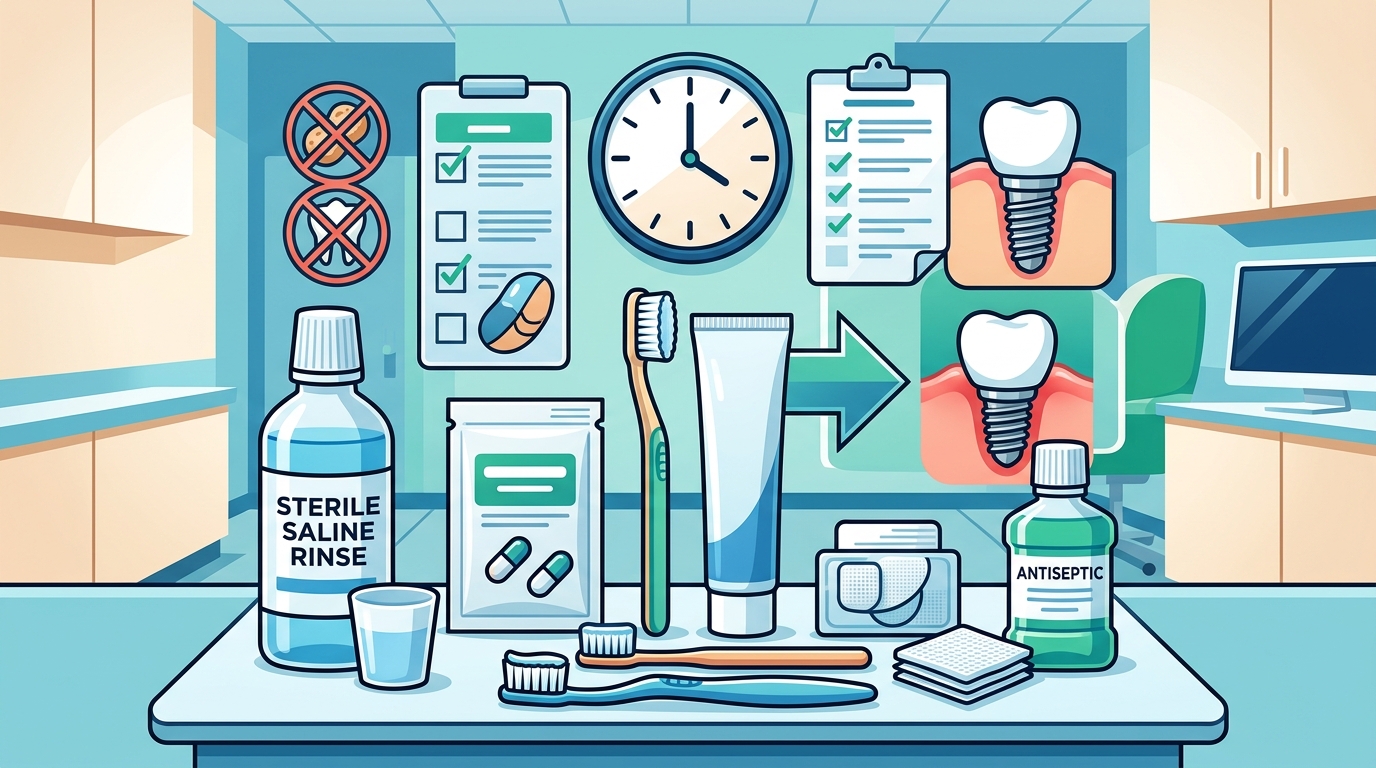
The first 24 to 48 hours after implant placement are critical for clot formation and initial tissue healing. Patients must follow specific dietary restrictions to prevent dislodging the blood clot, a condition similar to dry socket. We recommend a soft, cool diet consisting of items like yogurt, applesauce, and smoothies. Avoiding hot liquids and spicy foods helps reduce inflammation and prevents irritation to the surgical site.
Medication compliance is another pillar of infection prevention. Antibiotics are often prescribed to eliminate residual bacteria in the surgical area. Patients must complete the entire course of antibiotics, even if symptoms improve. Additionally, pain management should be handled with non-steroidal anti-inflammatory drugs (NSAIDs) as directed, which help reduce swelling without interfering with the healing process. At Park Avenue Oral, Maxillofacial & Implant Surgery, our team provides detailed written instructions to ensure patients understand these immediate care steps.
Long-Term Oral Hygiene Maintenance
Once the initial healing phase is complete, long-term maintenance shifts to daily oral hygiene practices. Standard toothbrushes may not reach all areas around the implant, so we recommend using soft-bristled brushes and specialized interdental cleaners. Water flossers are particularly effective for flushing out debris from around the implant abutment without causing trauma. Regular brushing twice a day and flossing once a day are non-negotiable habits for preventing bacterial buildup.
Professional cleanings are equally important. Unlike natural teeth, implants do not have a periodontal ligament, making them more susceptible to rapid bone loss if plaque is not removed professionally. We schedule regular maintenance visits to assess the health of the peri-implant tissues. These visits allow our hygienists to perform specialized cleanings using non-abrasive instruments that protect the implant surface.
Lifestyle Factors and Systemic Health
Systemic health conditions significantly influence the body's ability to fight off infections. Diabetes, for example, impairs the immune response and slows wound healing, increasing the risk of peri-implantitis. Patients with uncontrolled diabetes must maintain stable blood sugar levels to support successful implant integration. Smoking is another major risk factor; nicotine constricts blood vessels, reducing blood flow to the gums and impairing the delivery of oxygen and nutrients necessary for healing.
At Park Avenue Oral, Maxillofacial & Implant Surgery, we counsel patients on the impact of lifestyle choices on oral health. Quitting smoking before and after surgery can dramatically improve outcomes. Additionally, managing stress and ensuring adequate nutrition support the immune system, helping the body resist bacterial challenges. Patients are encouraged to discuss any chronic conditions with their primary care provider and our surgical team to create a comprehensive care plan.
Recognizing Warning Signs of Complications
Patients must be vigilant in recognizing the early warning signs of infection. Common symptoms include persistent pain beyond the expected healing period, increased swelling, redness, or warmth around the implant site. A foul odor or discharge from the gums is a clear indicator of bacterial infection. If the implant feels loose or mobile, this is a critical sign of failure that requires immediate professional attention.
Do not wait for symptoms to resolve on their own. Early treatment can often save the implant and prevent the spread of infection to surrounding bone. At Park Avenue Oral, Maxillofacial & Implant Surgery, we prioritize patient education on these warning signs. Our team is available to address concerns promptly, ensuring that any complications are managed before they become severe. Regular check-ups and self-monitoring are the best defenses against long-term implant failure.
Key Takeaways
- Strict adherence to post-operative dietary and medication protocols is essential for the first 48 hours.
- Peri-implantitis is a serious condition caused by bacterial colonization that can lead to bone loss.
- Long-term success depends on daily use of soft-bristled brushes and water flossers.
- Systemic conditions like diabetes and smoking significantly increase infection risk.
- Regular professional cleanings are necessary to remove plaque that home care cannot reach.
- Early detection of pain, swelling, or mobility is critical for saving the implant.
Frequently Asked Questions
How long does it take for a dental implant to heal completely?
Initial soft tissue healing takes about one to two weeks, but full osseointegration, where the bone fuses with the implant, typically takes three to six months. During this time, the implant must remain undisturbed to ensure stability.
Can I use a regular toothbrush on my new implant?
Yes, but you should use a soft-bristled brush to avoid damaging the surrounding gums. Specialized implant cleaning kits are also recommended to ensure thorough hygiene without causing trauma.
What should I do if I notice swelling after the first week?
Contact your oral surgeon immediately. While some mild swelling is normal initially, persistent or increasing swelling after the first week may indicate an infection that requires prompt treatment.
Does smoking affect dental implant success?
Yes, smoking reduces blood flow to the gums and impairs healing, significantly increasing the risk of infection and implant failure. Quitting smoking before and after surgery is strongly advised.
How often should I visit the dentist for implant maintenance?
Most patients require professional cleanings every three to six months. Your oral surgeon or dentist will determine the specific frequency based on your individual risk factors and healing progress.