

Mini dental implants are small, narrow-diameter implants used primarily to stabilize dentures or replace single teeth in areas with limited bone volume. They are not a universal replacement for standard implants. At Park Avenue Oral, Maxillofacial & Implant Surgery, we evaluate your specific anatomy, bone density, and functional goals to determine if a mini implant is the safest and most effective solution for your unique tooth loss situation.
Defining Mini Dental Implants
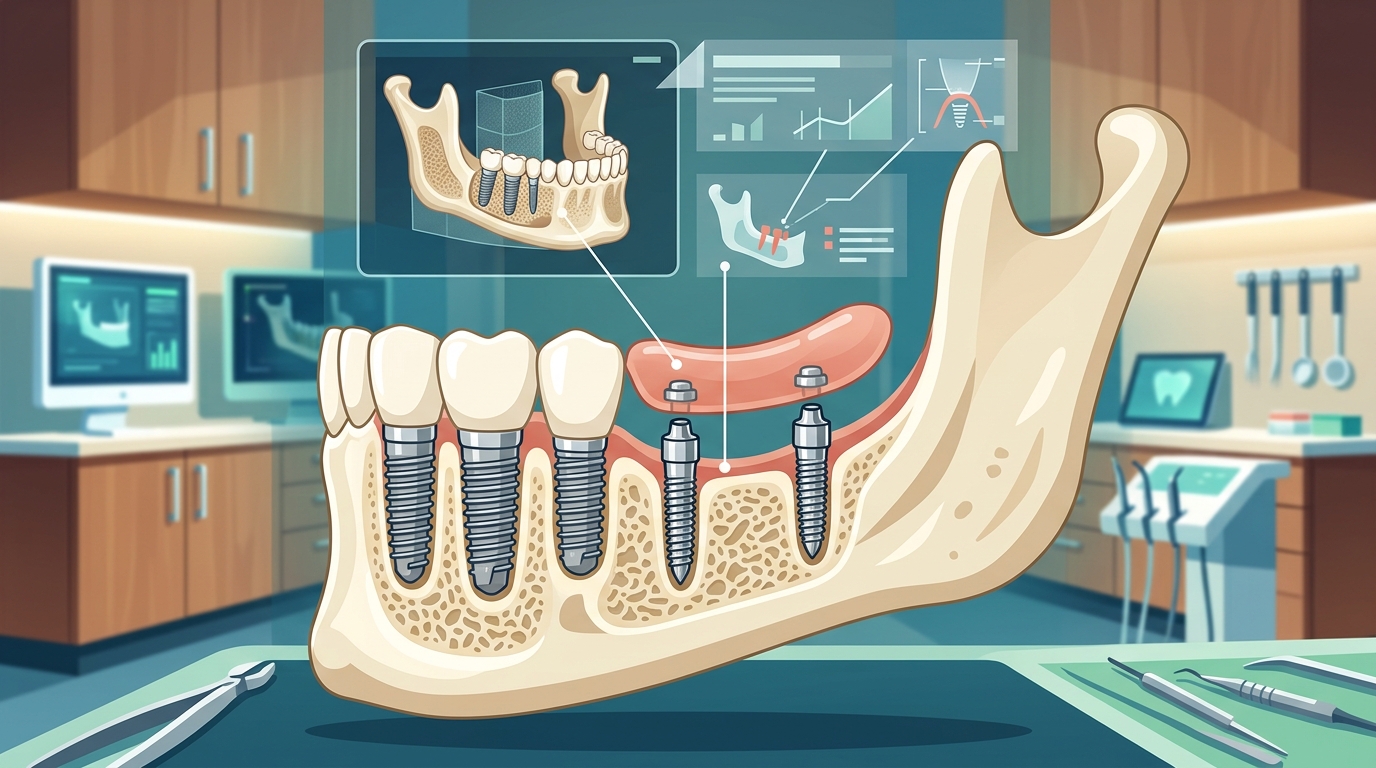
Mini dental implants are small-diameter titanium posts, typically measuring 2.0 to 3.3 millimeters in width, designed for specific clinical applications. They differ from conventional implants, which are generally 3.5 millimeters or wider. Because of their smaller size, mini implants require less bone volume for placement, making them a viable option for patients who have experienced significant bone resorption.
These implants are most commonly used to stabilize lower dentures, a procedure often referred to as a "snap-in" denture. They can also be used to replace a single missing tooth in the anterior region of the mouth when bone grafting is not desired or feasible. Understanding the distinction is critical, as the long-term success rates and functional loads these implants can withstand differ from standard implants.
Identifying Ideal Candidates
Not every patient with missing teeth is a candidate for mini implants. The ideal candidate typically has adequate bone density in the specific area where the implant will be placed but lacks the vertical or horizontal bone volume required for a standard implant. This is common in patients who have worn dentures for many years, leading to bone shrinkage.
At Park Avenue Oral, Maxillofacial & Implant Surgery, we utilize advanced diagnostic imaging, including 3D CT scans, to assess your jaw structure. This technology allows us to measure bone thickness precisely. If your bone is too thin for a standard implant but sufficient for a mini implant, we can proceed without the need for a complex bone grafting procedure. This approach often results in a shorter treatment timeline and reduced surgical complexity.
Limitations and Clinical Considerations
While mini implants offer a less invasive solution, they have specific limitations that must be considered. They are generally not recommended for replacing posterior teeth (molars) that bear heavy chewing forces. The smaller diameter means they have less surface area for osseointegration, the process where the bone fuses with the titanium post. Consequently, they may not withstand the high lateral forces generated during chewing as effectively as standard implants.
Furthermore, mini implants are often used as a temporary or transitional solution. In some cases, they may be placed to stabilize a denture immediately, with the plan to upgrade to a standard implant later if bone conditions improve or if the patient desires a more robust long-term restoration. It is essential to discuss these long-term implications with your surgeon to ensure the chosen solution aligns with your lifestyle and functional needs.
Mini Implants vs. Standard Implants
Choosing between a mini and a standard implant depends on your specific anatomical constraints and treatment goals. Standard implants offer greater stability and longevity for full-arch restorations or single-tooth replacements in areas with good bone volume. Mini implants, on the other hand, excel in situations where bone preservation is a priority or where the patient wishes to avoid extensive grafting.
For patients interested in full-arch solutions, our team evaluates whether a combination of implant types is appropriate. For example, a full-arch restoration might utilize standard implants in areas with sufficient bone and mini implants in areas with limited volume. This hybrid approach maximizes stability while minimizing surgical trauma. We use CT-guided implant placement to ensure precise positioning of each implant, regardless of size.
The Evaluation Process at Park Avenue
Determining if a mini implant is right for you begins with a comprehensive consultation. During this visit, we review your medical history, dental records, and 3D imaging. We assess the quality and quantity of your bone, as well as the condition of your remaining teeth. This diagnostic phase is crucial for formulating a personalized treatment plan.
If a mini implant is recommended, the procedure is typically less invasive than standard implant placement. It can often be performed in the office under local anesthesia or light sedation. The recovery period is generally shorter, and patients can often resume normal activities quickly. Our commitment to patient comfort is reflected in our use of minimally invasive techniques and advanced technology, ensuring a safe and efficient surgical experience.
Key Takeaways
- Mini dental implants are small-diameter posts used primarily for denture stabilization or single-tooth replacement in low-bone areas.
- They are not a universal substitute for standard implants and are generally unsuitable for high-load posterior chewing areas.
- Mini implants can avoid the need for complex bone grafting procedures in some patients.
- Long-term success depends on proper placement, oral hygiene, and regular follow-up care.
- Consultation with a board-certified oral surgeon is necessary to evaluate individual candidacy.
Frequently Asked Questions
Can mini implants replace multiple missing teeth?
Mini implants are typically used to stabilize dentures rather than to support individual crowns for multiple missing teeth. For replacing multiple teeth, standard implants or full-arch solutions like All-on-X are usually more appropriate and durable.
Do mini implants require bone grafting?
One of the primary advantages of mini implants is that they often do not require bone grafting. They are designed to be placed in areas with limited bone volume, making them a good option for patients who are not candidates for standard implants due to bone loss.
How long do mini dental implants last?
The lifespan of a mini implant depends on oral hygiene, bone health, and the forces placed upon it. With proper care, they can last for many years. However, they may not have the same long-term track record as standard implants for heavy chewing loads.
Is the procedure painful?
The procedure is performed under anesthesia, so you will not feel pain during the surgery. Post-operative discomfort is usually mild and manageable with over-the-counter pain medication. Our team uses techniques to minimize swelling and ensure a comfortable recovery.
Can I eat normally with mini implants?
If used to stabilize a denture, you can eat a normal diet, but you should avoid extremely hard foods that could dislodge the denture. If used for a single tooth, you should be mindful of the forces applied, as mini implants are less robust than standard implants.