

Can Orthognathic Surgery Fix Both Bite and Facial Appearance After a Jaw Injury?
Yes, orthognathic surgery can correct both bite misalignment and facial asymmetry resulting from jaw injuries. By repositioning the upper and lower jaws, this procedure restores proper occlusion and facial balance. At Park Avenue Oral, Maxillofacial & Implant Surgery, our surgeons use advanced planning to ensure functional and aesthetic success.
Understanding Orthognathic Surgery After Trauma
Orthognathic surgery is a specialized procedure that repositions the upper jaw (maxilla), lower jaw (mandible), or both to correct skeletal irregularities. When a jaw is fractured or displaced during an injury, the natural healing process may not restore the original alignment. This can lead to a persistent malocclusion, where the upper and lower teeth do not meet correctly. The procedure addresses the root skeletal issue rather than just the dental symptoms.
At Park Avenue Oral, Maxillofacial & Implant Surgery, we recognize that trauma can alter the structural foundation of the face. Our approach involves a thorough evaluation of the injury's impact on both function and form. We utilize advanced imaging to assess the extent of displacement and plan a precise surgical correction. This ensures that the jaw is returned to its optimal anatomical position.
Restoring Bite Function and Chewing Efficiency
A misaligned bite following a jaw injury can cause significant difficulty in chewing, speaking, and swallowing. Orthognathic surgery corrects these functional deficits by aligning the dental arches properly. This restoration of occlusion allows for efficient mastication and reduces the strain on the temporomandibular joints (TMJ). Patients often report a dramatic improvement in their ability to eat a varied diet after recovery.
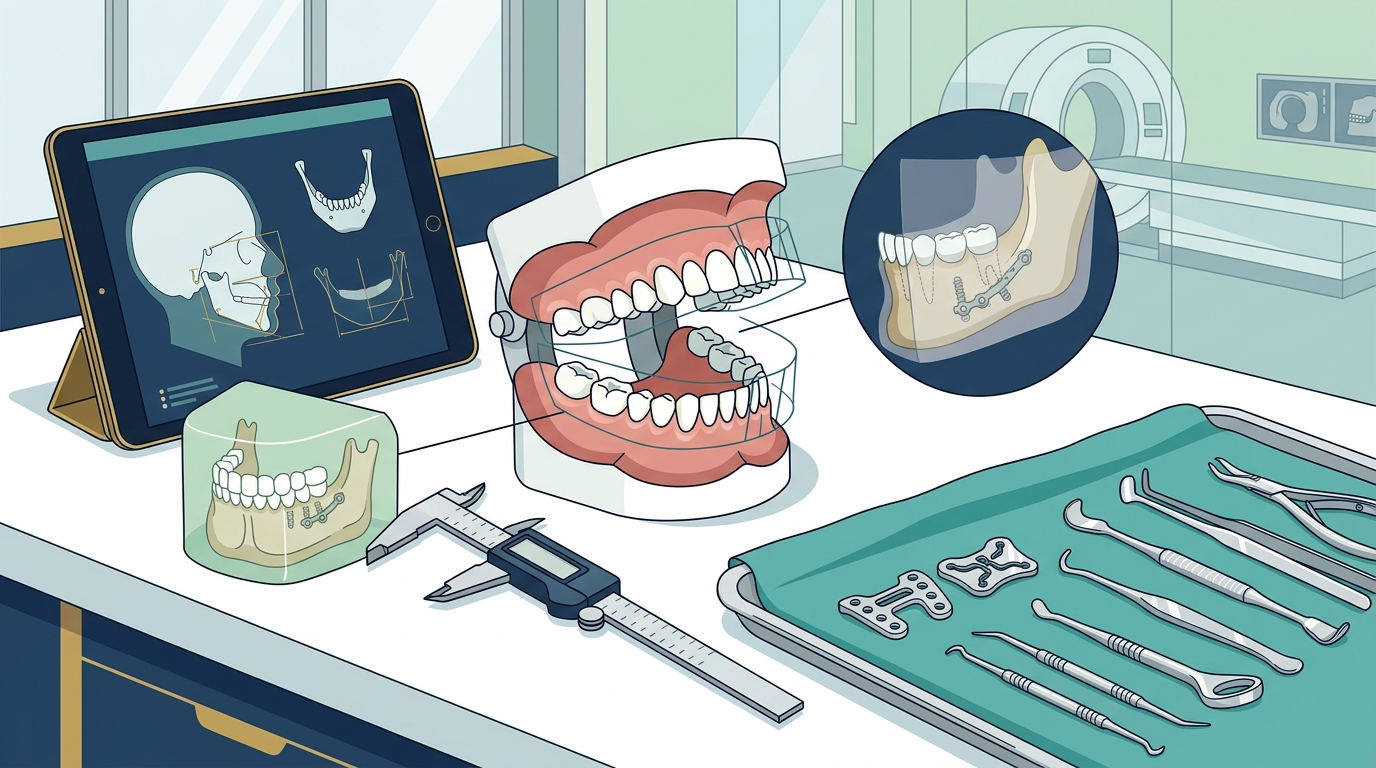
Our surgical team at Park Avenue Oral, Maxillofacial & Implant Surgery prioritizes functional outcomes alongside aesthetics. We use Virtual Surgical Planning (VSP) to simulate the post-surgical bite before the operation begins. This technology allows us to predict the exact movement of the jaws and ensure that the final result provides a stable, comfortable bite. The precision of this planning minimizes the need for extensive post-surgical orthodontic adjustments.
Improving Facial Symmetry and Aesthetic Balance
Jaw injuries frequently result in facial asymmetry, which can affect a patient's self-confidence and quality of life. Orthognathic surgery addresses these aesthetic concerns by repositioning the jaw to restore facial harmony. The procedure can correct issues such as a deviated chin, uneven jawline, or facial imbalance caused by the trauma. By restoring the skeletal framework, the soft tissues of the face often settle into a more natural and symmetrical position.
At Park Avenue Oral, Maxillofacial & Implant Surgery, we understand the psychological impact of facial changes. Our surgeons are trained in both medicine and dentistry, allowing them to address the complex interplay between bone structure and facial aesthetics. We use 3D imaging to visualize the expected outcome, ensuring that the surgical plan aligns with the patient's aesthetic goals. This comprehensive approach helps restore not just function, but also the patient's confidence in their appearance.
The Role of Advanced Planning Technology
Modern orthognathic surgery relies heavily on digital planning tools to achieve predictable results. Virtual Surgical Planning (VSP) is an advanced operation design tool that uses detailed 3D images from CT scans to create a virtual model of the patient's jaw. This model allows the surgical team to simulate the surgery on a computer, adjusting the jaw position until the ideal result is achieved. The plan then guides the creation of custom surgical guides and splints, ensuring the surgery follows the exact movements designed during planning.
Park Avenue Oral, Maxillofacial & Implant Surgery utilizes VSP to enhance the precision and safety of our procedures. This technology shortens surgery time and improves accuracy, which is particularly beneficial for complex trauma cases. By doing the "blueprint" work ahead of time, we can help patients better visualize their expected outcome. This level of planning is essential for achieving both functional and aesthetic success in post-trauma reconstruction.
Recovery and Long-Term Care Considerations
Recovery from orthognathic surgery involves a period of healing where the jaw bones fuse in their new positions. Patients typically follow a liquid diet that gradually transitions to soft foods over several weeks. Swelling and bruising are common but usually subside within a few weeks. Our team provides detailed post-operative instructions to ensure a smooth recovery and minimize complications. We also offer Exparel Extended Pain Relief, a non-opioid medication that provides localized pain relief for up to 72 hours, helping patients manage discomfort without the risks associated with narcotics.
Long-term care is crucial for maintaining the results of orthognathic surgery. Regular follow-up appointments allow our surgeons to monitor healing and make any necessary adjustments. At Park Avenue Oral, Maxillofacial & Implant Surgery, we are committed to supporting our patients throughout their entire recovery journey. Our multidisciplinary approach ensures that both functional and aesthetic outcomes are preserved over time.
Key Takeaways
- Orthognathic surgery effectively corrects both bite misalignment and facial asymmetry caused by jaw injuries.
- The procedure restores proper occlusion, improving chewing, speaking, and swallowing functions.
- Facial symmetry is enhanced by repositioning the jaw to its optimal anatomical location.
- Virtual Surgical Planning (VSP) allows for precise pre-operative simulation of the final result.
- Advanced technology like VSP shortens surgery time and improves accuracy in complex cases.
- Non-opioid pain management options like Exparel help ensure a comfortable recovery.
- Long-term follow-up care is essential for maintaining the functional and aesthetic benefits of the surgery.
Frequently Asked Questions
Can orthognathic surgery fix a crooked jaw after an injury?
Yes, orthognathic surgery can correct a crooked or deviated jaw resulting from trauma. By repositioning the jaw bones, the procedure restores proper alignment and facial symmetry.
How long does it take to see results after jaw surgery?
Initial improvements in bite and facial appearance are often visible immediately after surgery. However, full healing and final aesthetic results may take several months as swelling subsides and the bones fuse.
Is orthognathic surgery painful?
The surgery itself is performed under general anesthesia, so you will not feel pain during the procedure. Post-operative discomfort is managed with prescribed medications and non-opioid options like Exparel.
Do I need orthodontics before jaw surgery?
In many cases, orthodontic treatment is required before surgery to align the teeth properly. This ensures that the jaws can be repositioned into a stable and functional bite.
Can I eat normally after orthognathic surgery?
You will need to follow a liquid diet initially, transitioning to soft foods over several weeks. Most patients can return to a normal diet within a few weeks to months, depending on the complexity of the surgery.
How does Virtual Surgical Planning help with jaw surgery?
Virtual Surgical Planning uses 3D imaging to simulate the surgery before it happens. This allows the surgeon to plan the exact movements of the jaw, ensuring a precise and predictable outcome.